- Jankowo Park Sp. z o.o.
- +48 604 108 890
- info@jankowopark.pl
- ul. Poniatowskiego 18A, 05-500 Piaseczno, Polska
JANKOWO
History of the palace-and-park complex
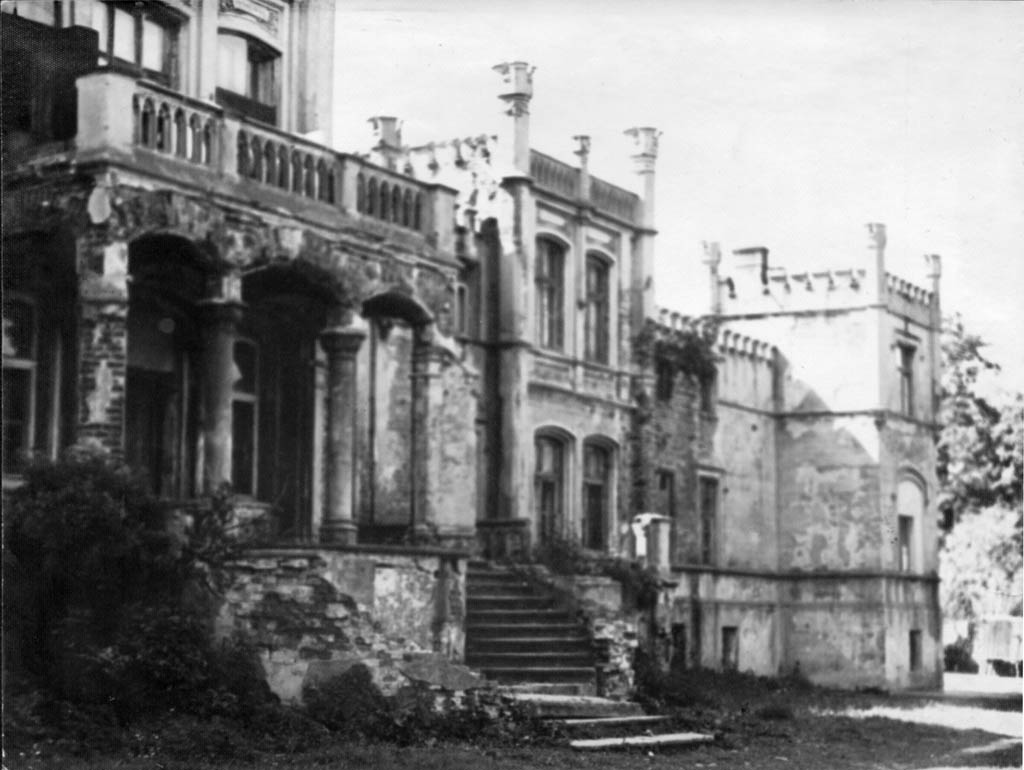
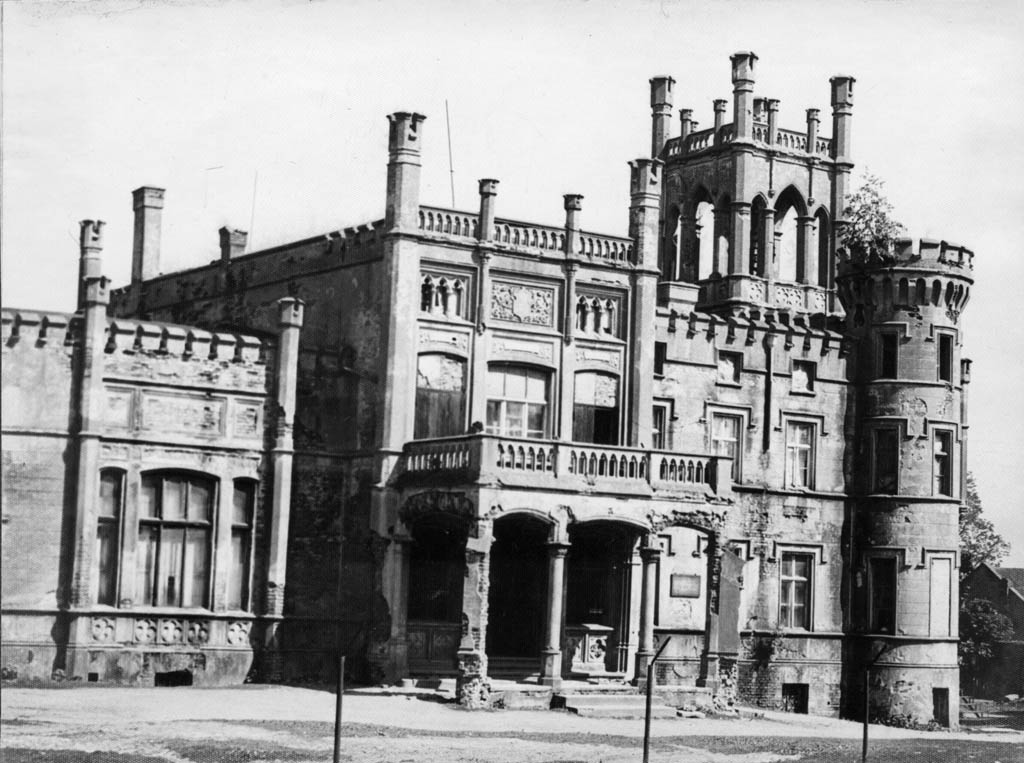
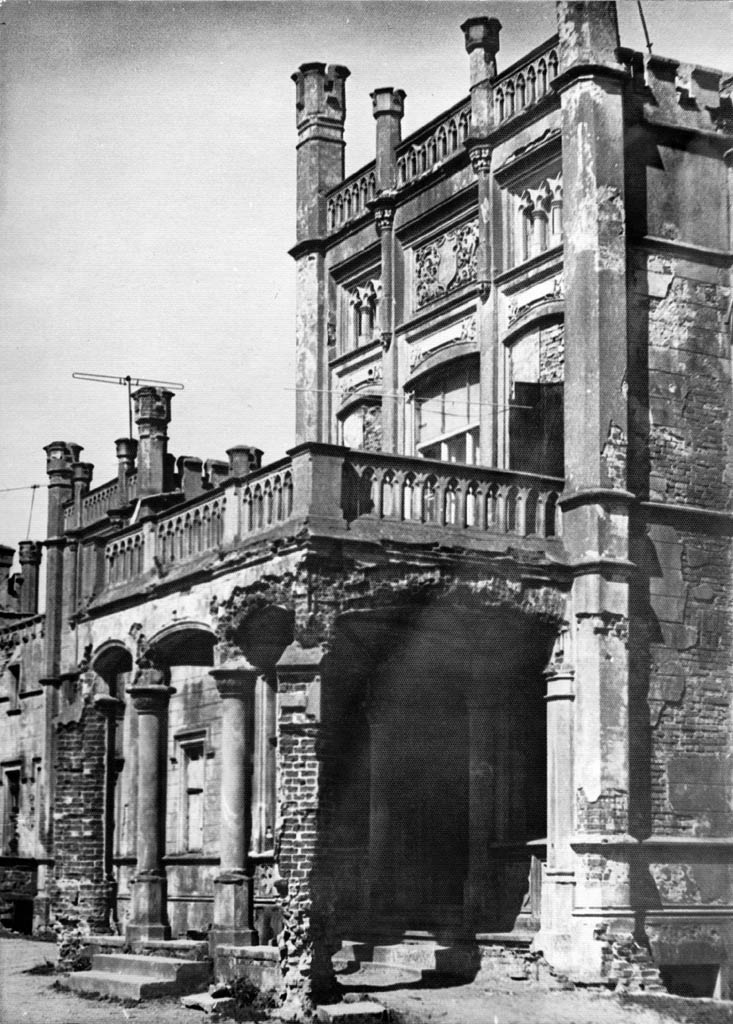
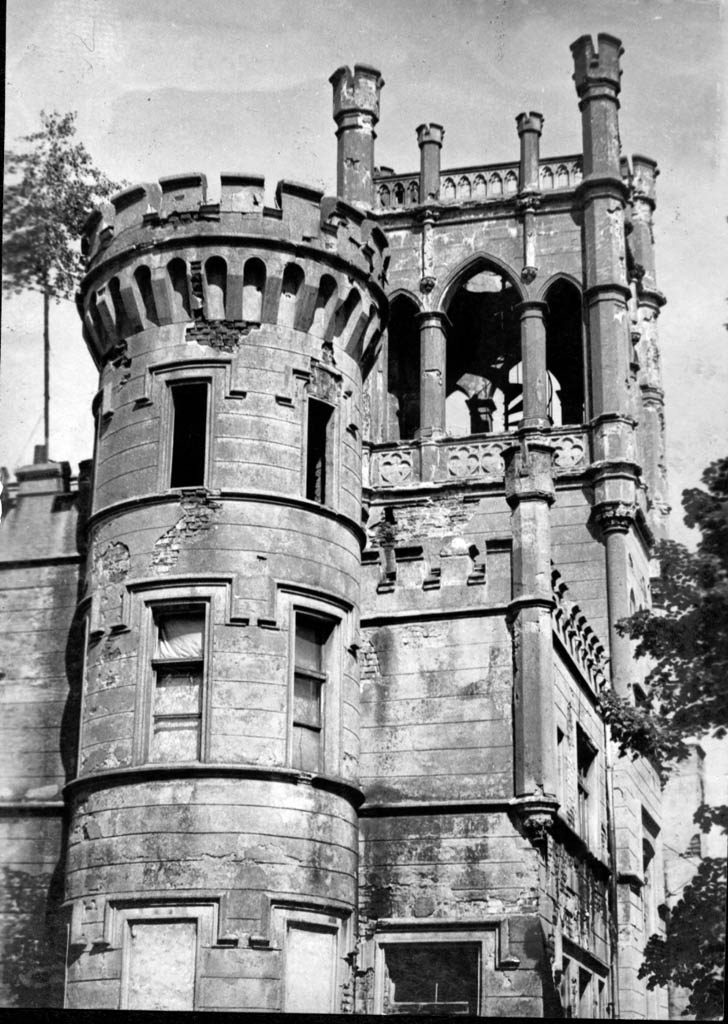
The history of the palace-and-park complex in Jankowo dates back to the second half of the 16th century, when it was owned by Andrzej Jankowski, and later by the Popowski and Pląskowski families. The 18th century is sometimes described as less well documented in terms of subsequent owners. In the 19th century, the estate passed to successive proprietors through typical property transactions of the time, and in 1854 it was purchased by Simon Albert Hepner.
The palace was built in the Neo-Gothic style. Although the exact date of its construction is not fully certain today, it is known that it had already been completed by 1863. Some accounts suggest that the designer may have been the renowned Prussian architect Friedrich August Stüler, although there is also a hypothesis that it was created by an architect from his circle.
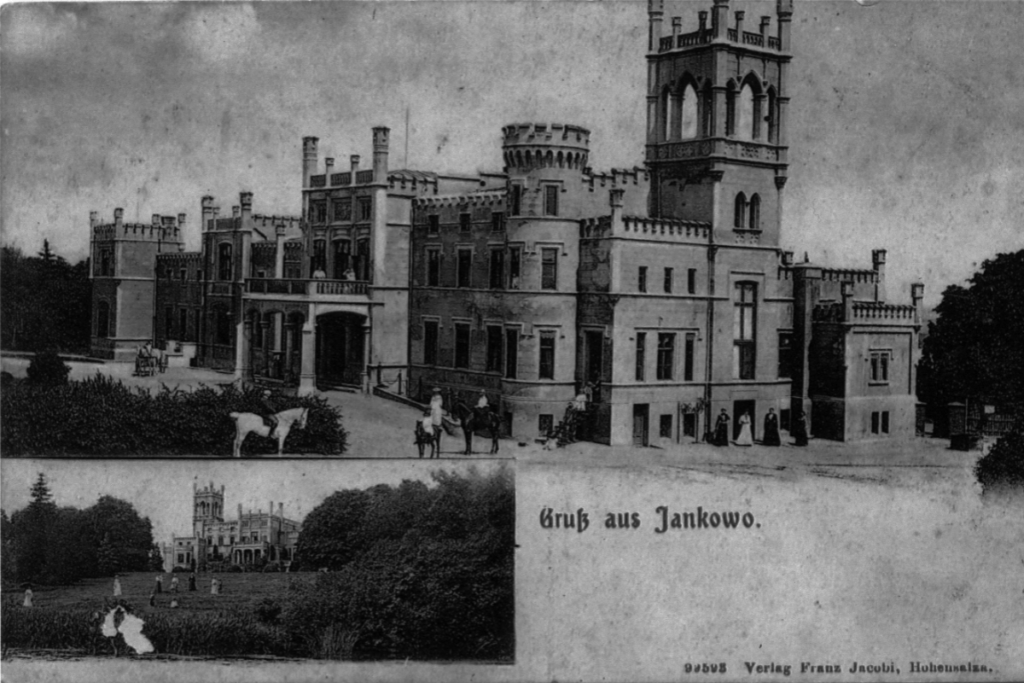
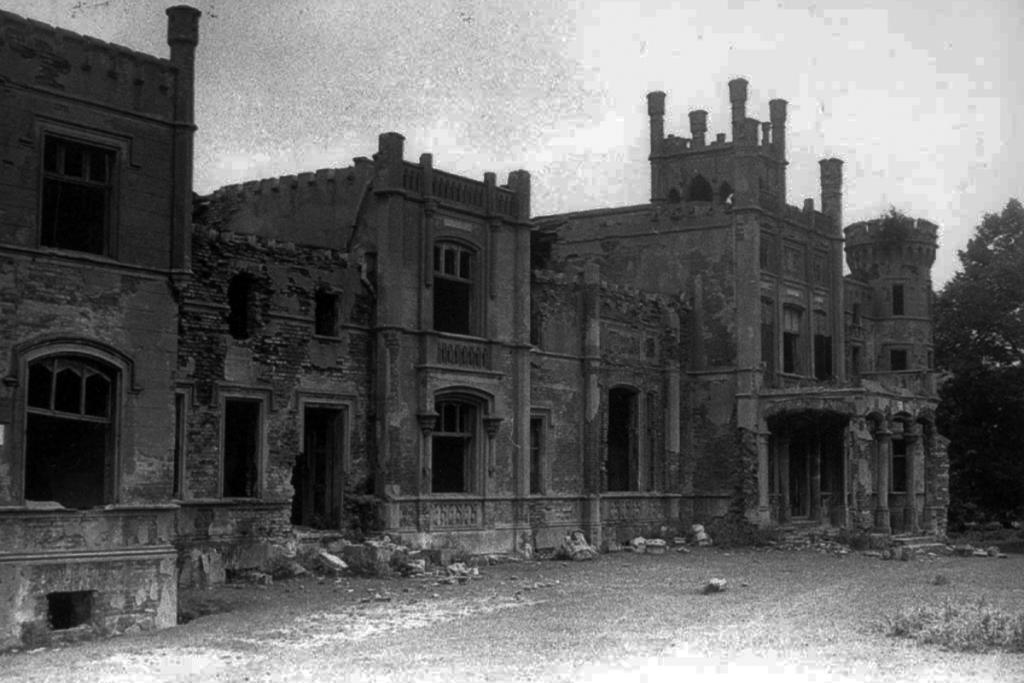
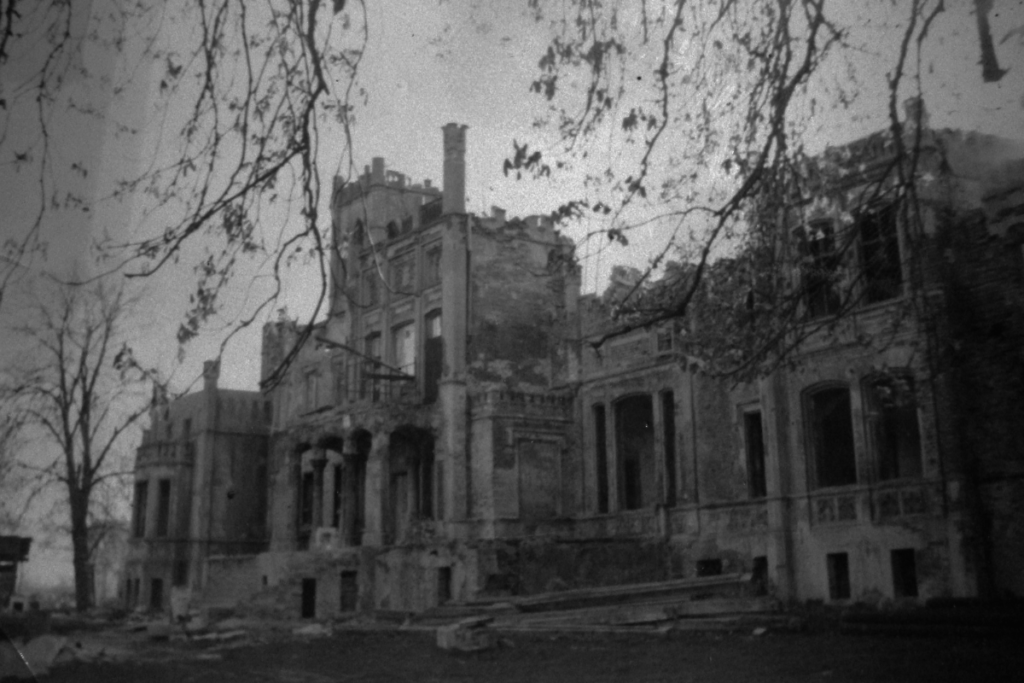
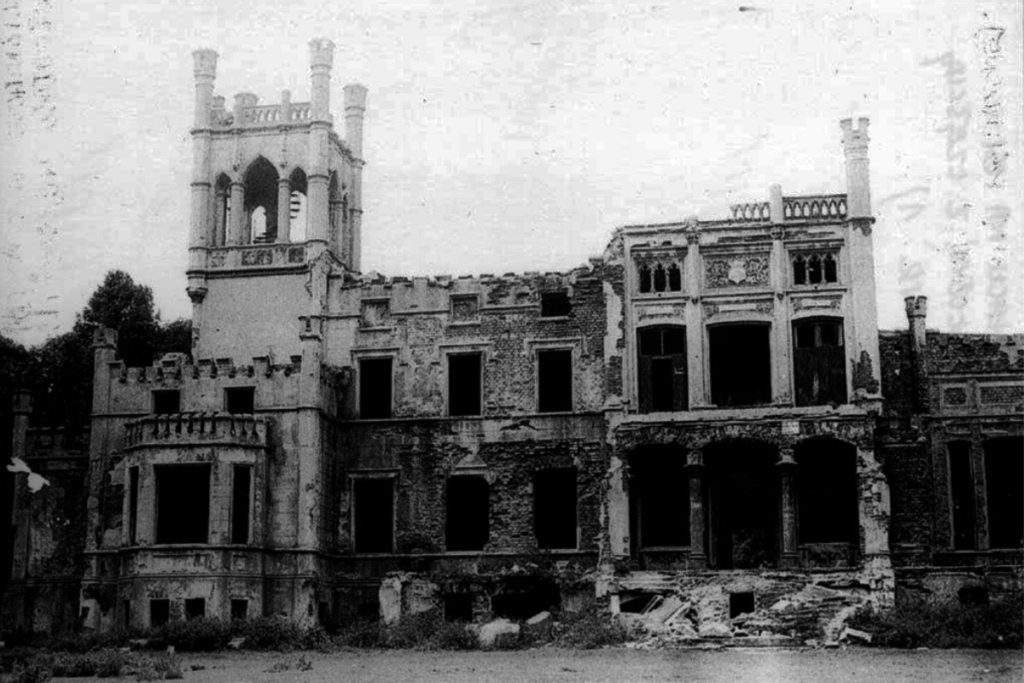
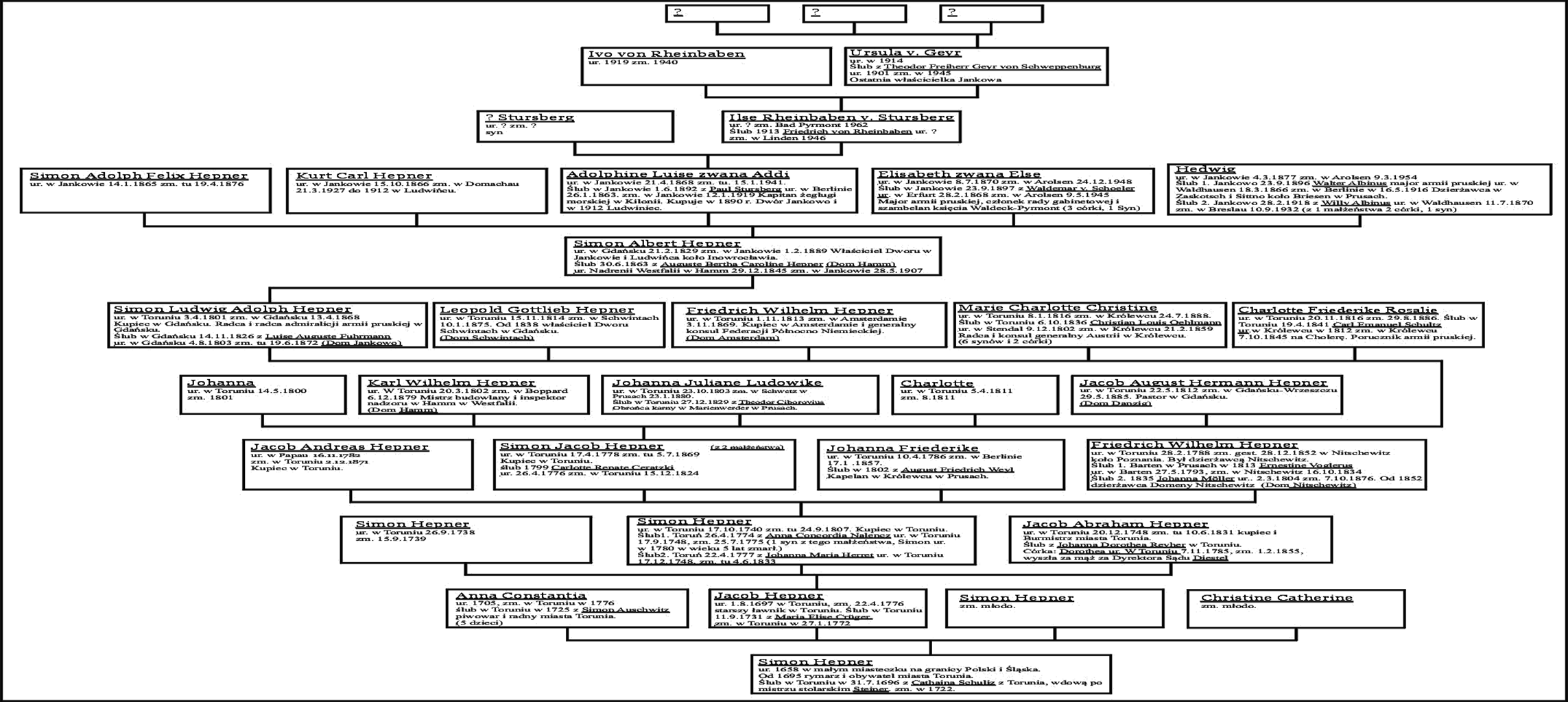
Before the palace was built, an English-style park already existed on the estate grounds, where less commonly encountered species of trees and shrubs were planted. The Hepner family remained the owner of the complex until the end of World War II. As the inheritance after Simon Albert passed through the female line, in 1941 the property came into the hands of Urszula von Geyr, born in Jankowo, who together with her husband, Teodor von Geyr, took over the estate. However, their management of the estate did not last long — the approaching front forced an evacuation. The period of stewardship under the Hepner family was remembered by the local community as a time of efficient estate management.
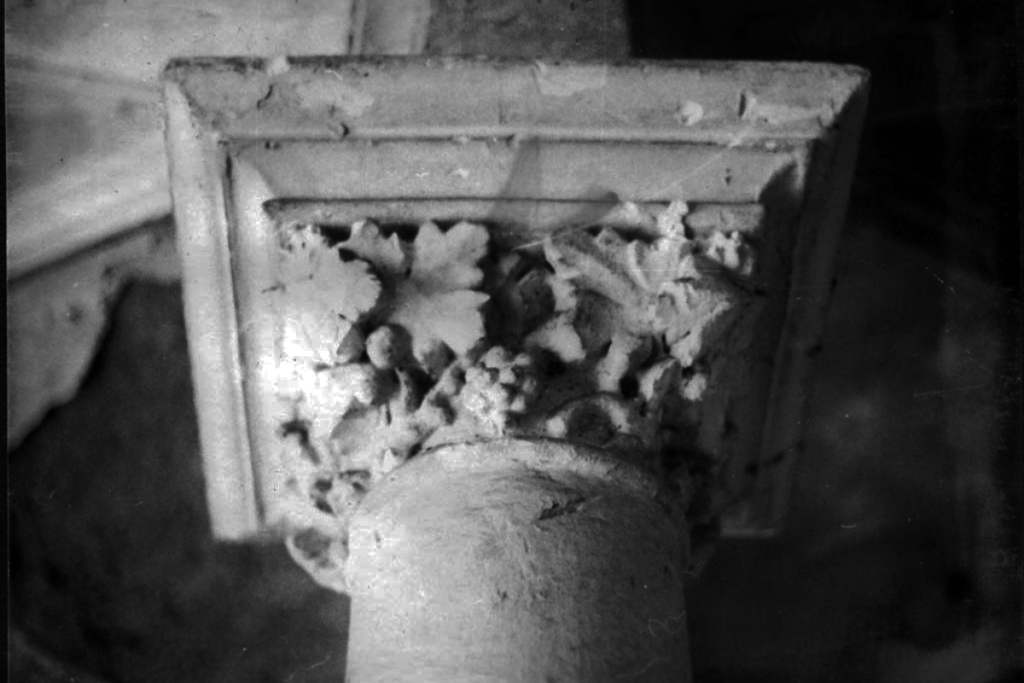
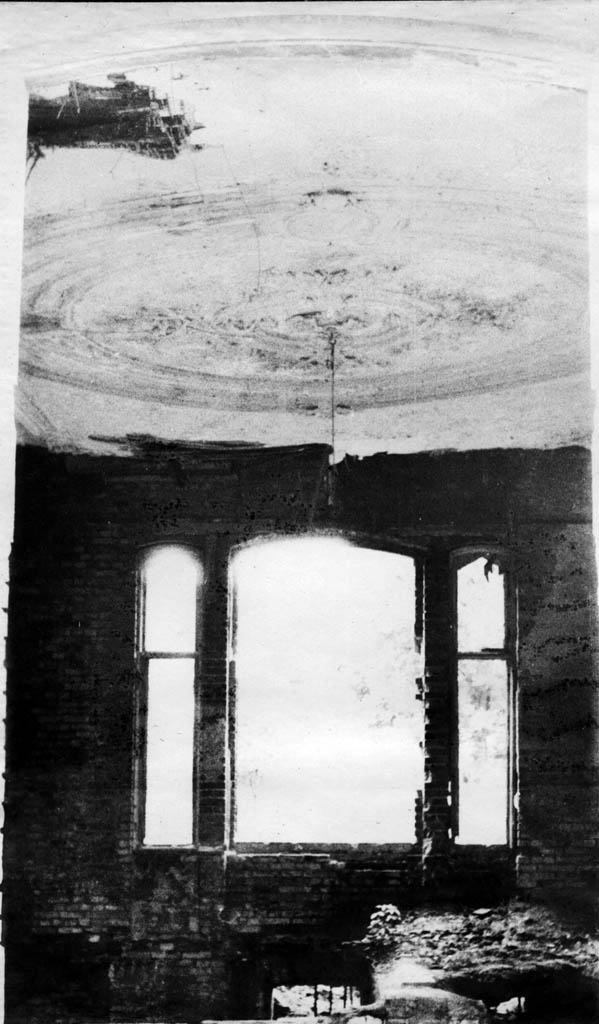
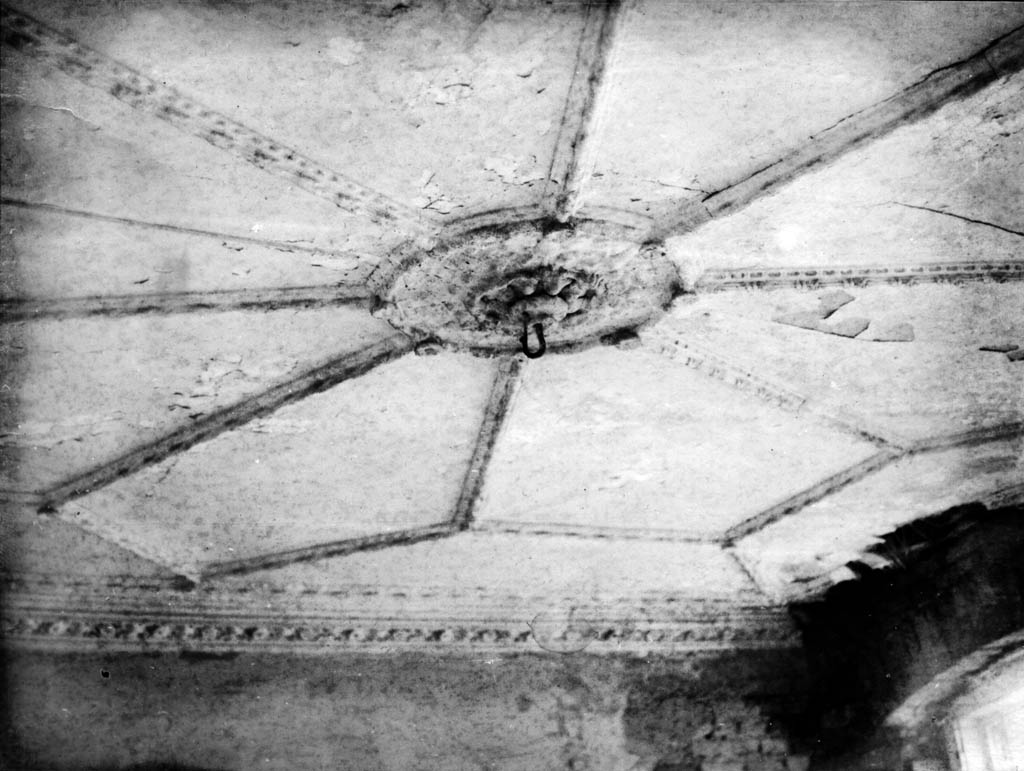
In 1946, Jankowo and Ludwiniec were taken over by the Polish State Treasury and parceled out into smaller agricultural holdings, while the manor farm was transformed into an Agricultural Production Cooperative. For many years, the palace was not renovated, and one part of it was converted into a pigsty. As a result, by the 1980s the building was in very poor condition: the devastation progressed, part of the roof collapsed, and the ceilings and staircases were destroyed.
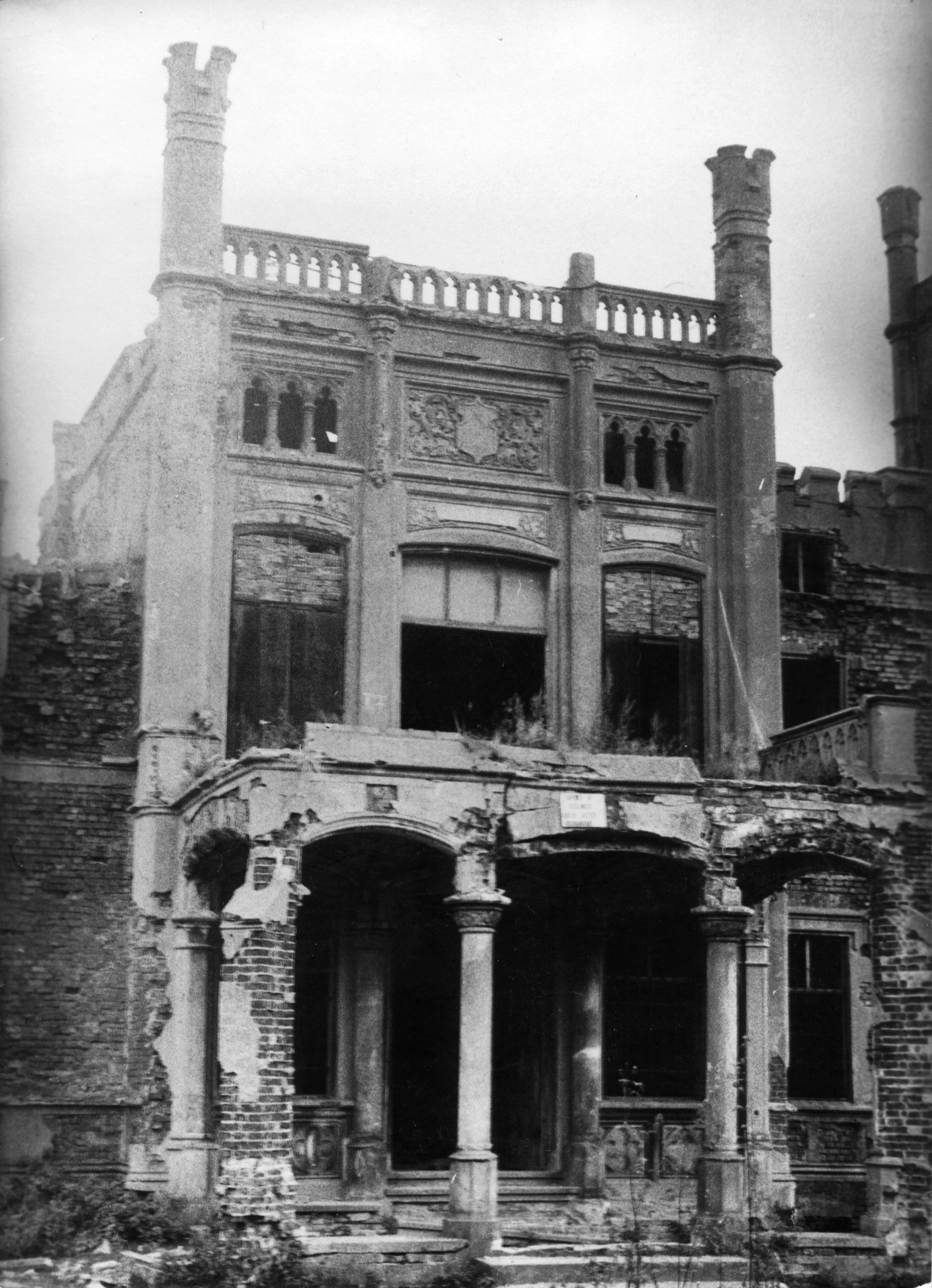
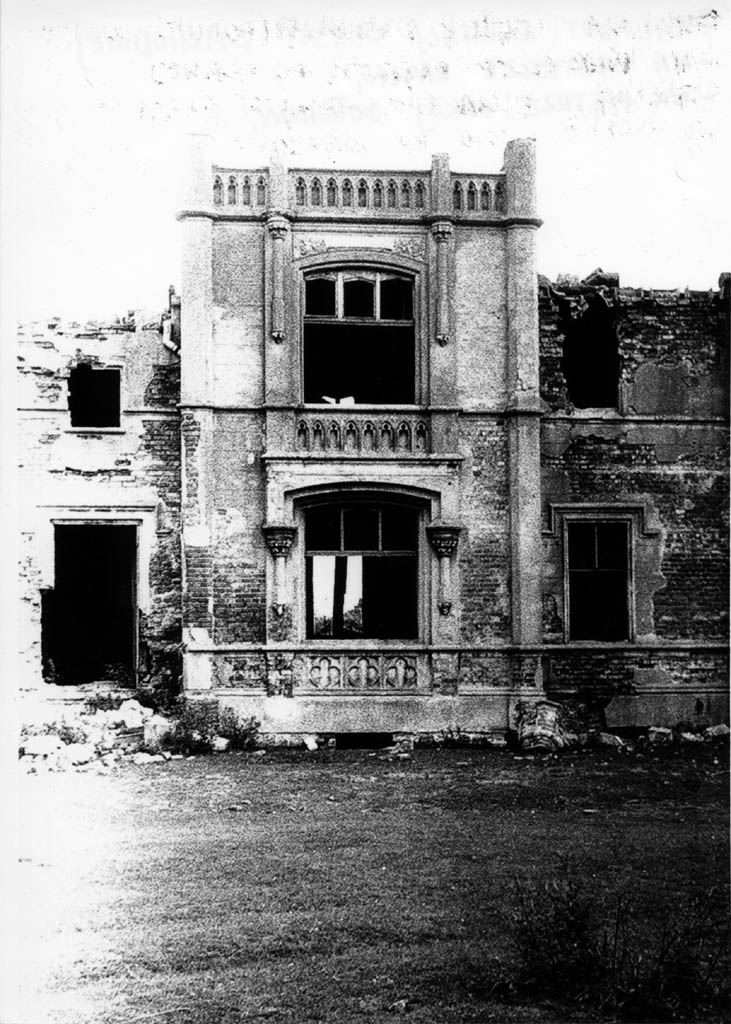
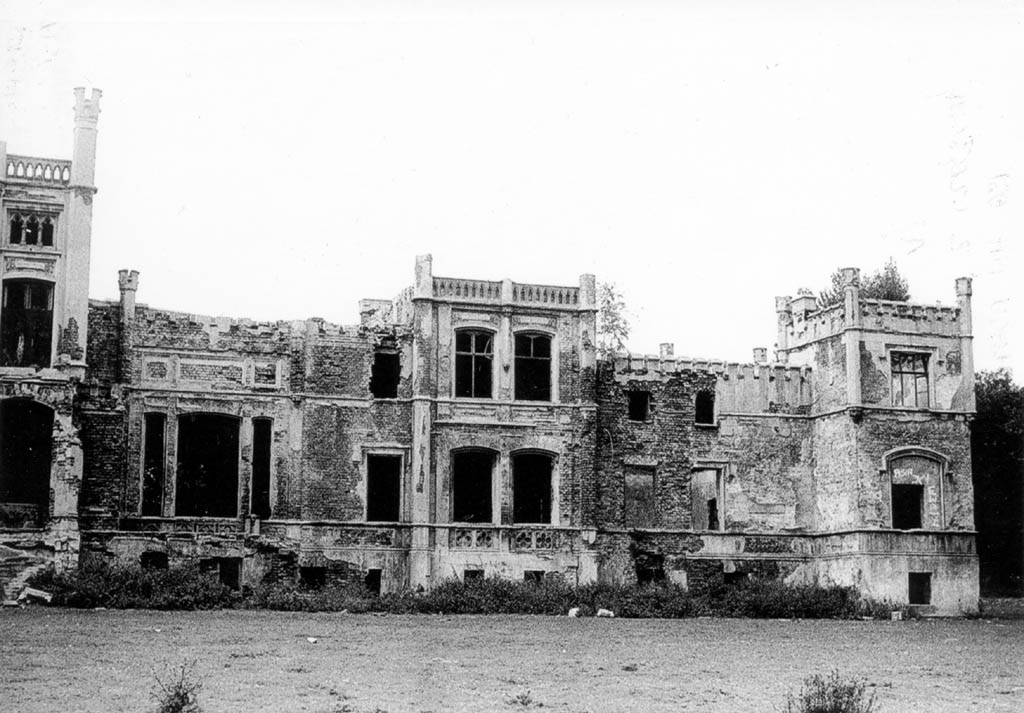
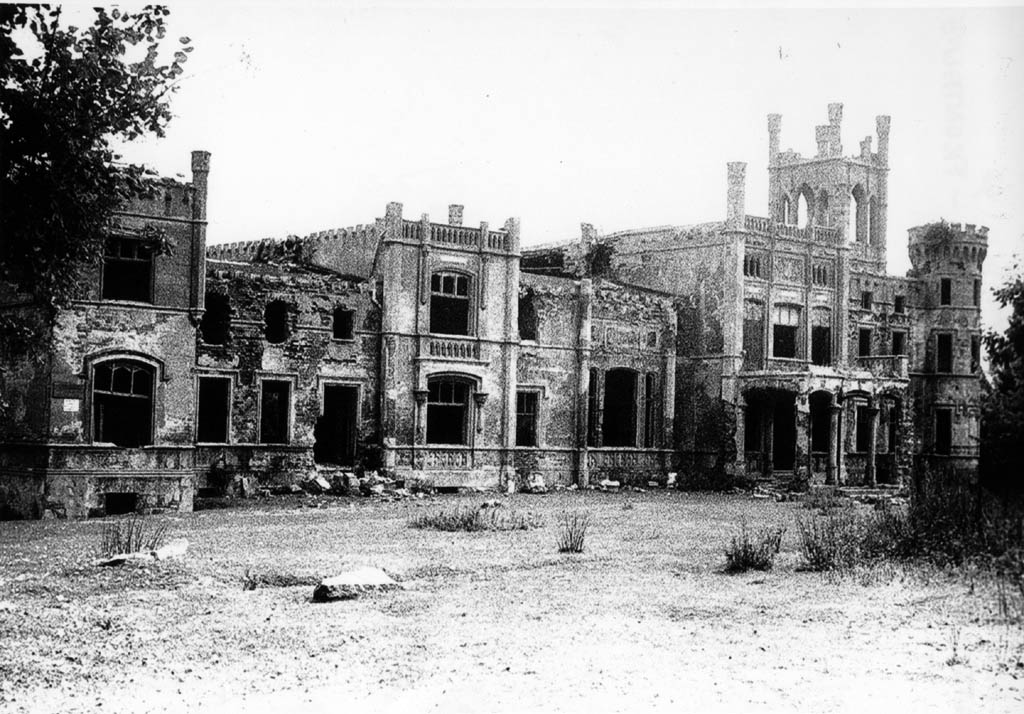
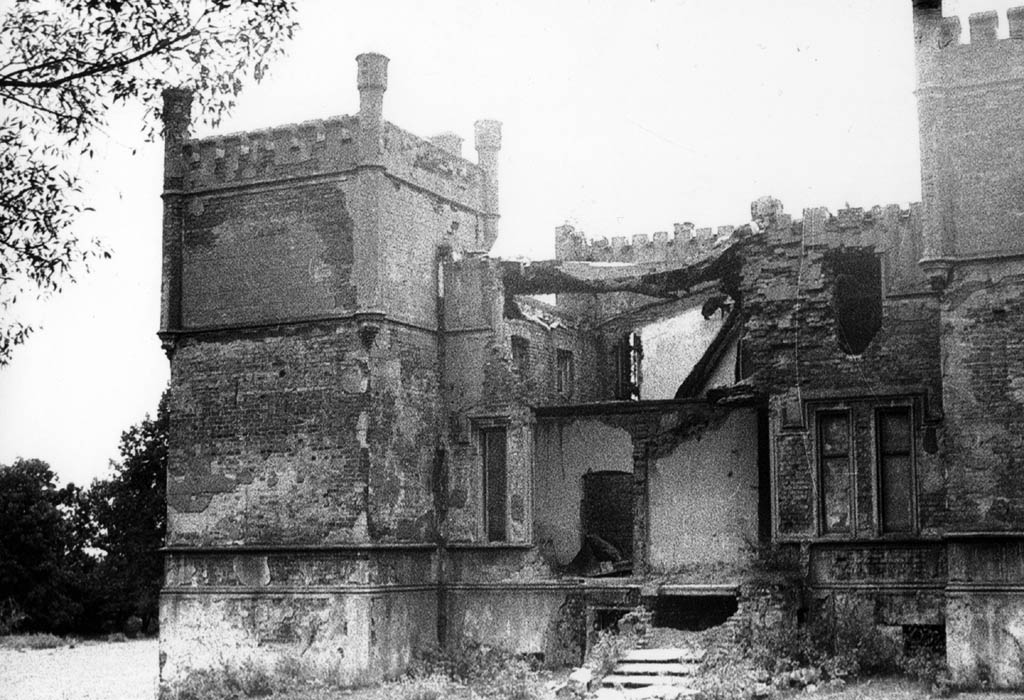
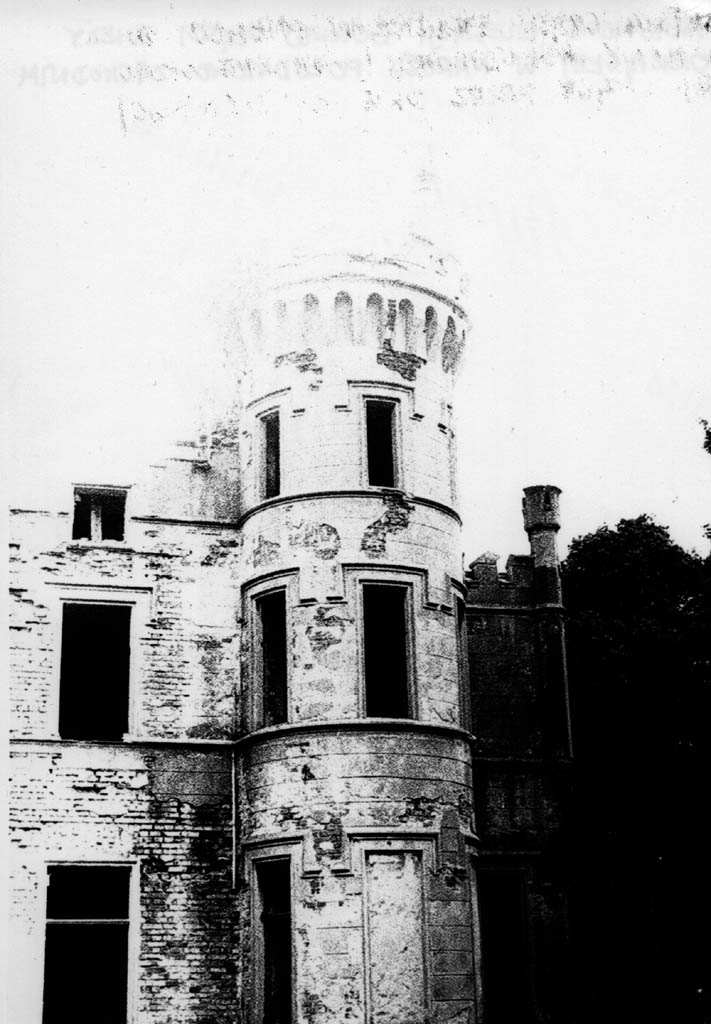
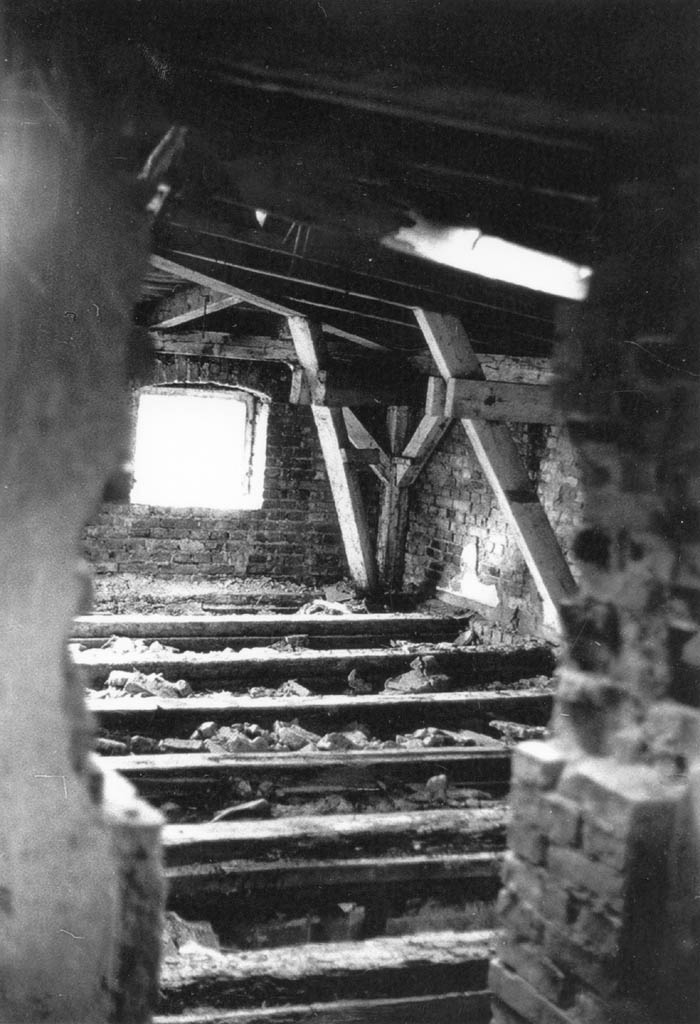
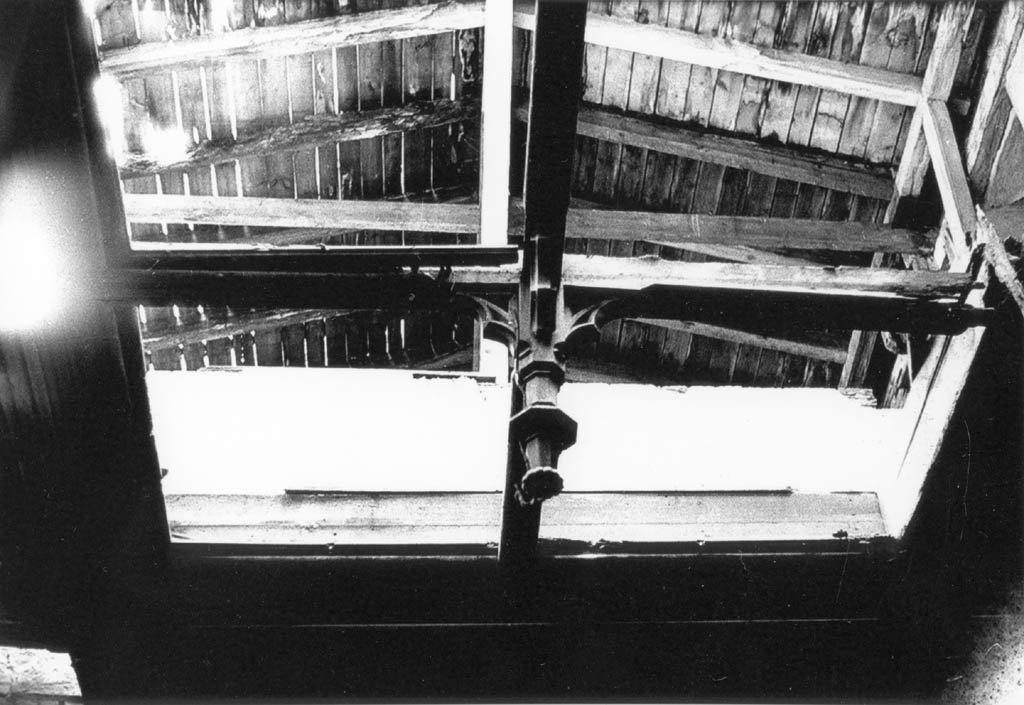
After 1989, the palace changed owners, passing successively into the hands of private investors. The most significant renovation attempt was undertaken in 1991 — despite conservation-related mistakes, the building was saved from complete deterioration at that time. However, due to limited financial resources, the works remained unfinished, and subsequent efforts to rescue the property encountered the same barriers. Despite the goodwill and substantive support of the heritage conservation services, securing stable financing proved difficult: it was not possible to obtain funds from the Ministry of Culture and National Heritage or from other public sources. With its own resources exhausted, Jankowo Park Spółka z ograniczoną odpowiedzialnością decided to announce a tender for the sale of the property, hoping to find a buyer who will be able to continue the works and restore this place to the full measure of its historical significance.
JANKOWO
The History of the Hepner Family
The history of the Hepner family is inseparably connected with the history of Jankowo — it was they who gave this place its palatial character and, for generations, helped shape the everyday life of the estate. The oldest available records indicate that the Hepner family, credited with building the palace in Jankowo, originated from the area around what is now Salzburg, Austria, and arrived in the lands of the Polish–Lithuanian Commonwealth in the 17th century. The first documented ancestor of the family was Simon Hepner, who became involved in the Reformation movement in Salzburg and — forced to flee religious persecution — found refuge in the then-tolerant Polish–Lithuanian Commonwealth.
In 1690, he settled in Toruń, an economically important city with a multicultural character, and began working in the saddlery trade, especially in the production of horse-riding saddles. The Hepners quickly integrated into the city’s patriciate: successive generations of Simon’s descendants married daughters of established Toruń families, and his grandson, Jacob Abraham, even became the Mayor of Toruń, as documented by his portrait in the museum.
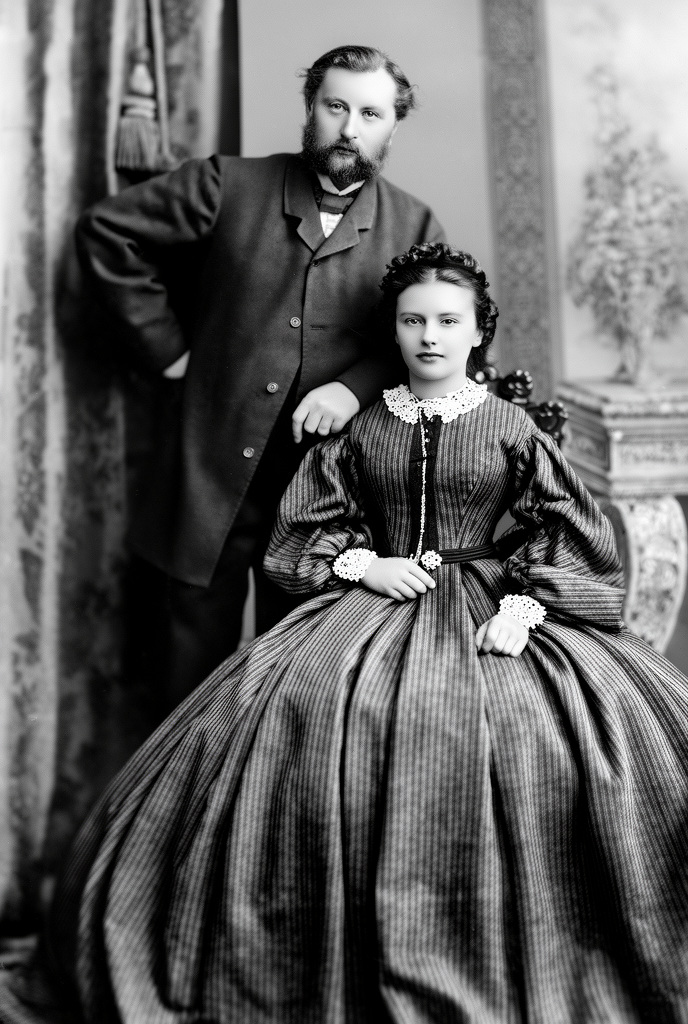
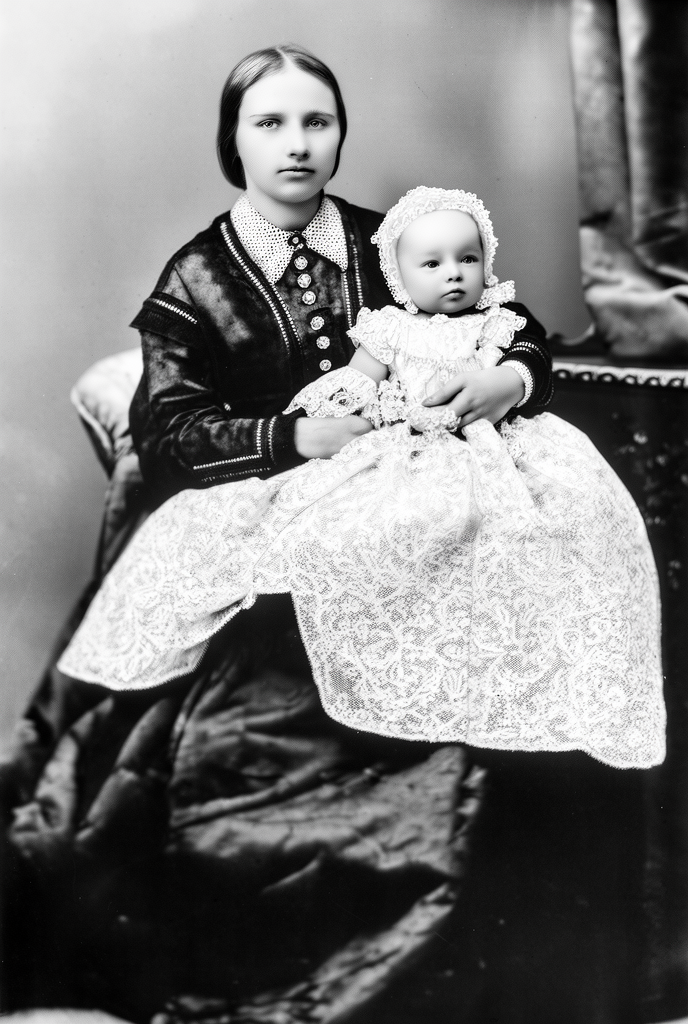
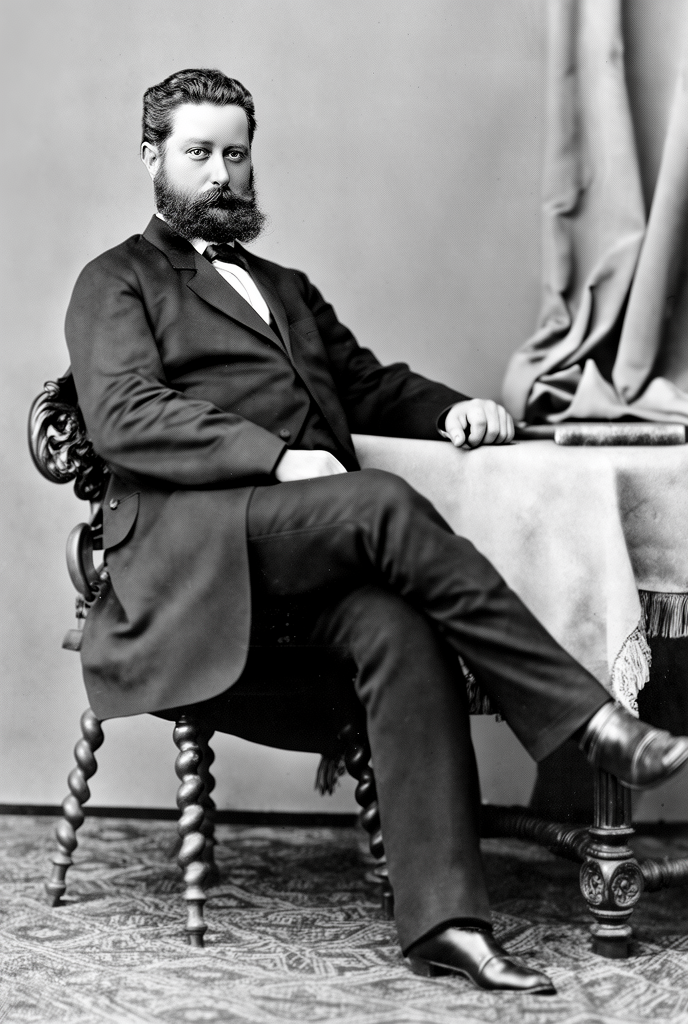
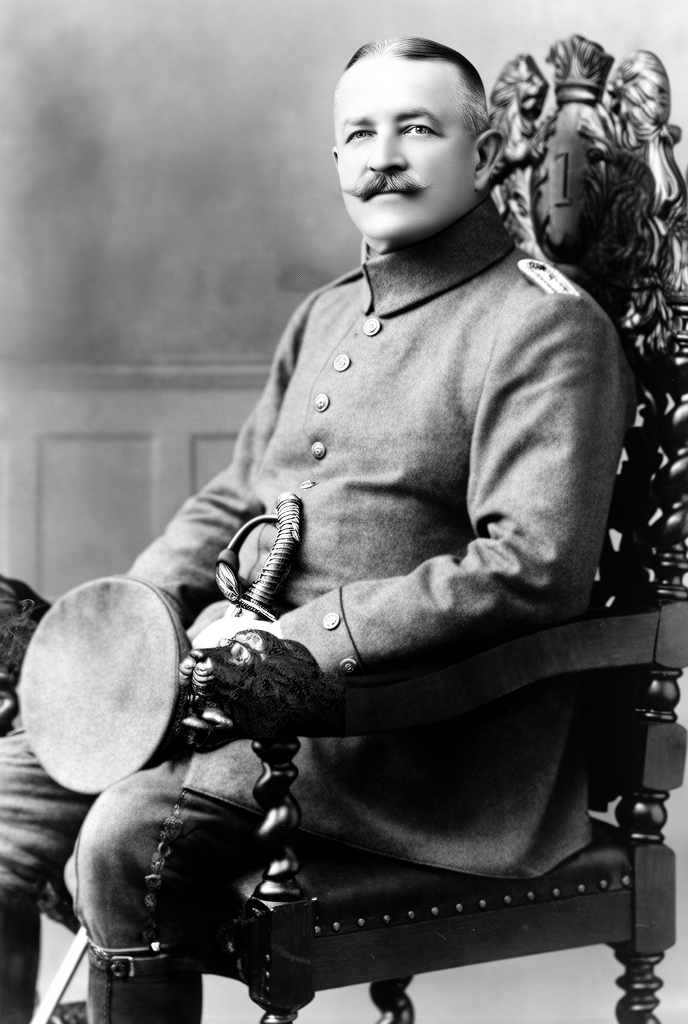
In those days, the Hepners became a well-known merchant family specializing in the grain trade. They maintained commercial links with Gdańsk, as well as with Amsterdam, London, and Saint Petersburg. Several members of the family also held important positions in the city council. Simon Hepner’s great-grandson, Simon Jacob Hepner, had five sons and five daughters who played a significant role in the family’s history. The eldest, Simon Ludwig Adolph, founded the family trading house in Gdańsk, initiating the branch of the family settled on the Baltic coast. He was soon joined by his brother, Jacob August Hermann, who became an Evangelical pastor at St. Mary’s Church. Friedrich Wilhelm moved to Amsterdam, where he entered trade; Carl Wilhelm became a master builder; and the youngest, Leopold Gotlieb, acquired an estate near Gdańsk and became a landowner.
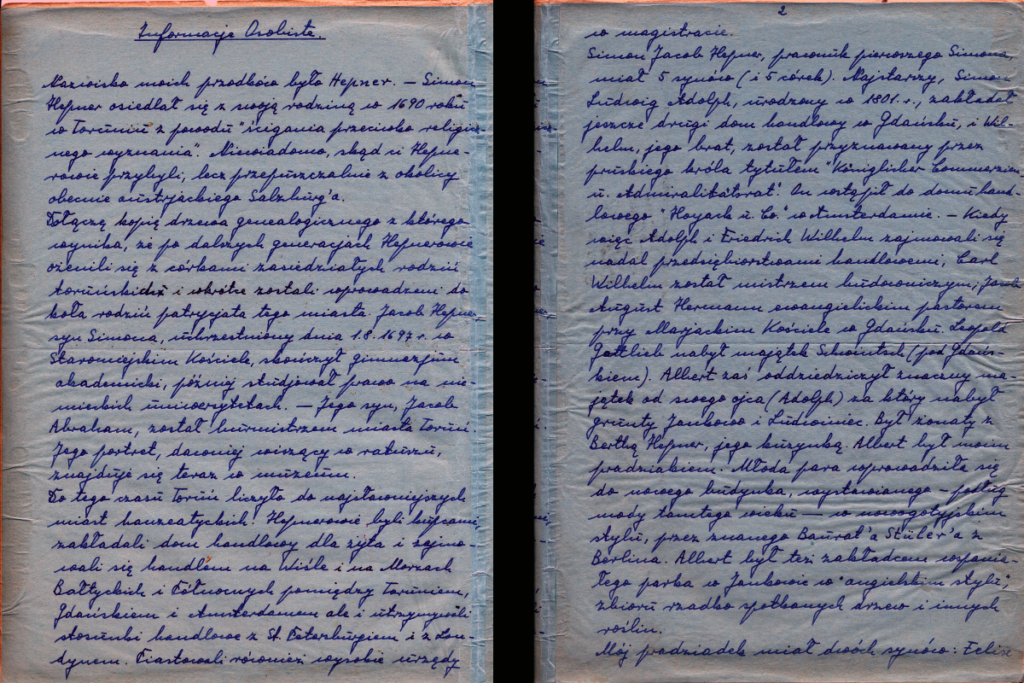
It was in his footsteps that Simon Albert followed. Having inherited a substantial fortune from his father, Simon Ludwig Adolph, he purchased the Jankowo and Ludwiniec estates in 1854. He and his wife, Bertha, moved there in 1863. Albert and Bertha had two sons: the first died young, and the second, Kurt Carl, showed little interest in managing the estate. The property therefore was inherited by their daughter, Adolphine Luise, who ran it together with her husband, Paul Strussberg. The couple’s only son was killed during World War I, so the estate passed into the hands of their daughter Ilse and her husband, Baron Friedrich von Rheibaben, an officer in the Prussian army. The further plans assumed that the Jankowo and Ludwiniec holdings would be managed by their son, Ivo, who was killed at the beginning of World War II in the Battle of Amiens.
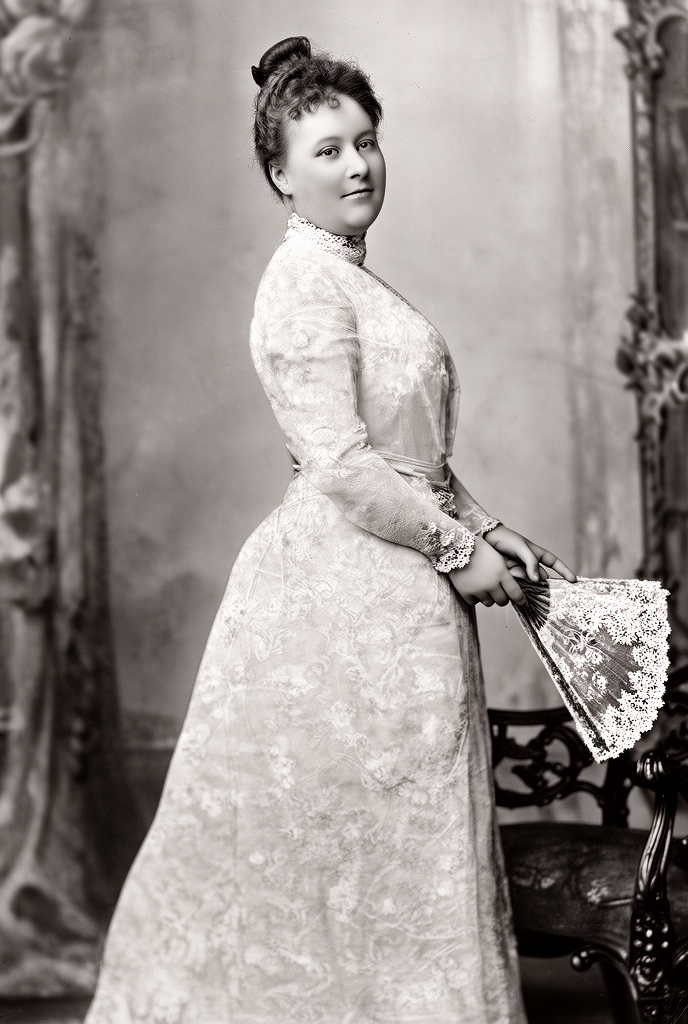
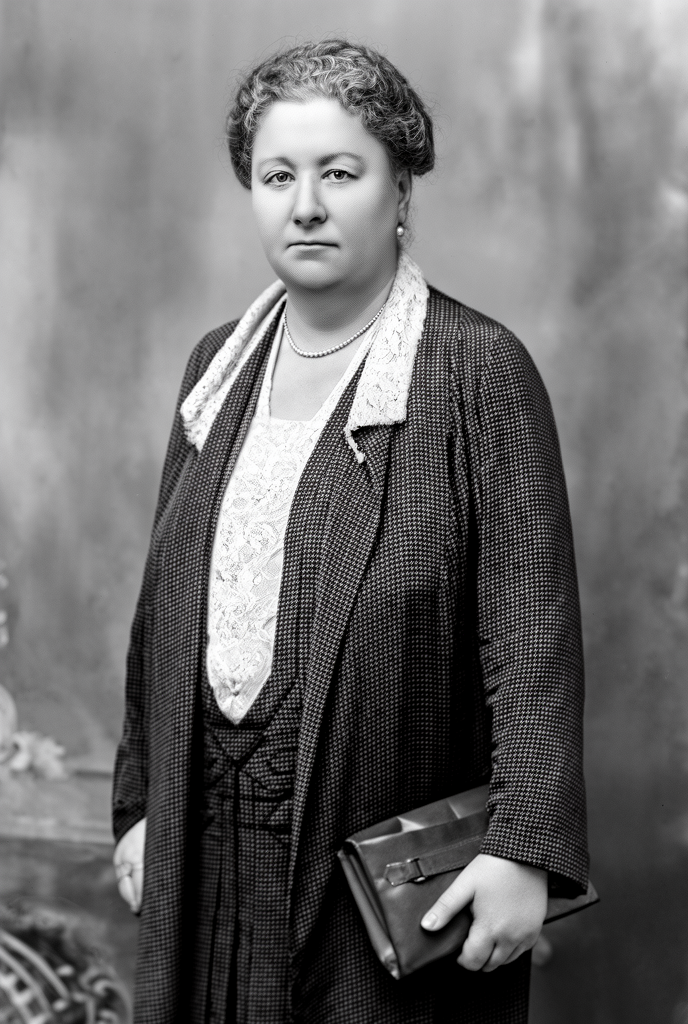
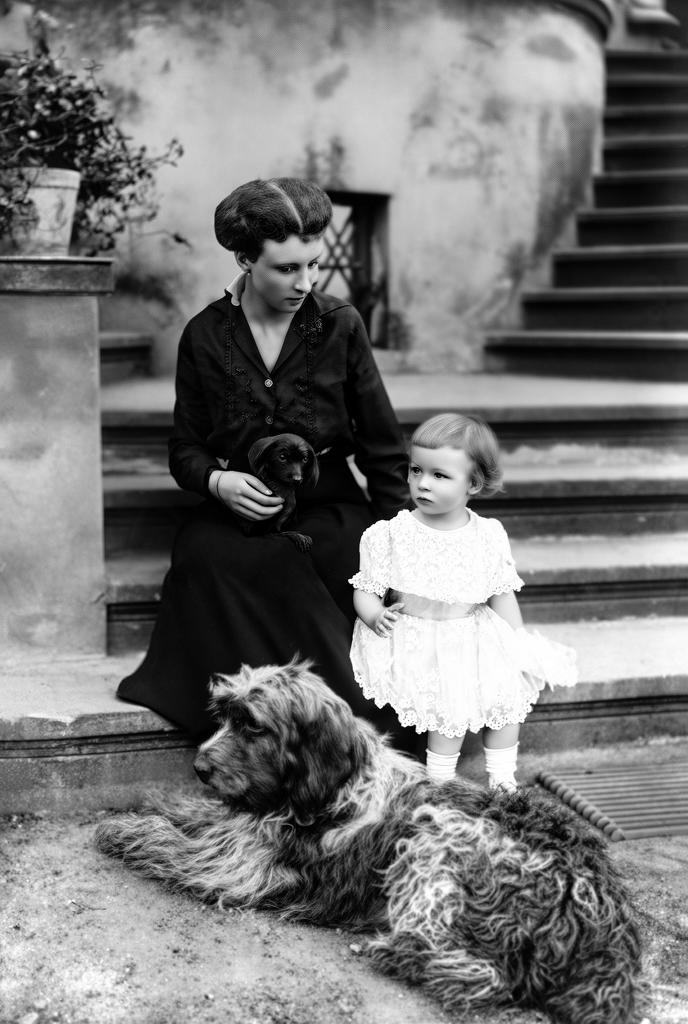
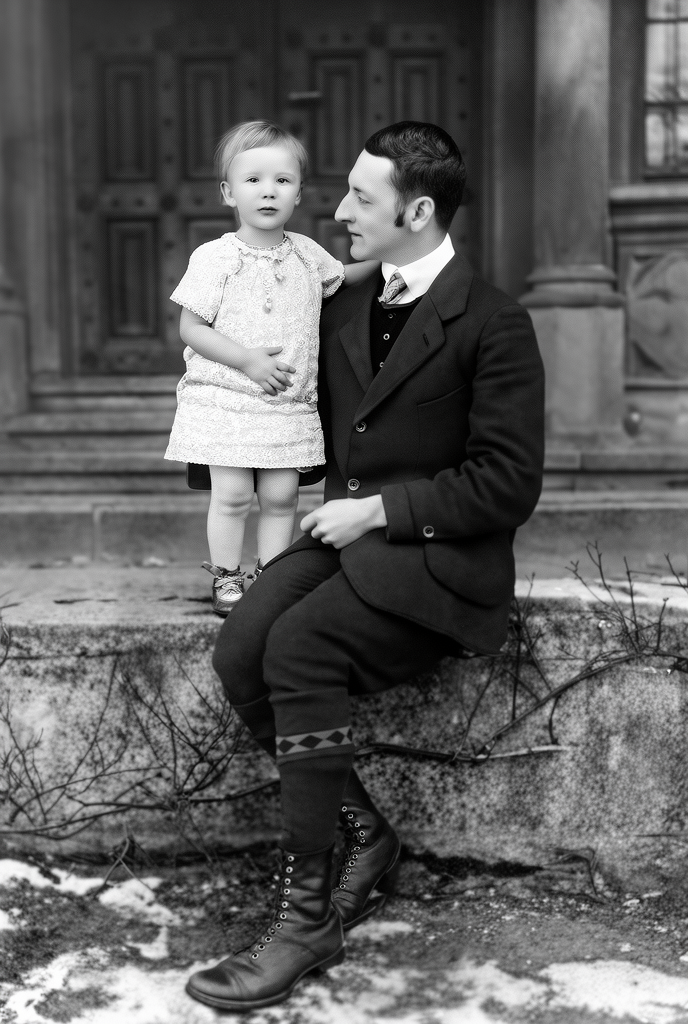
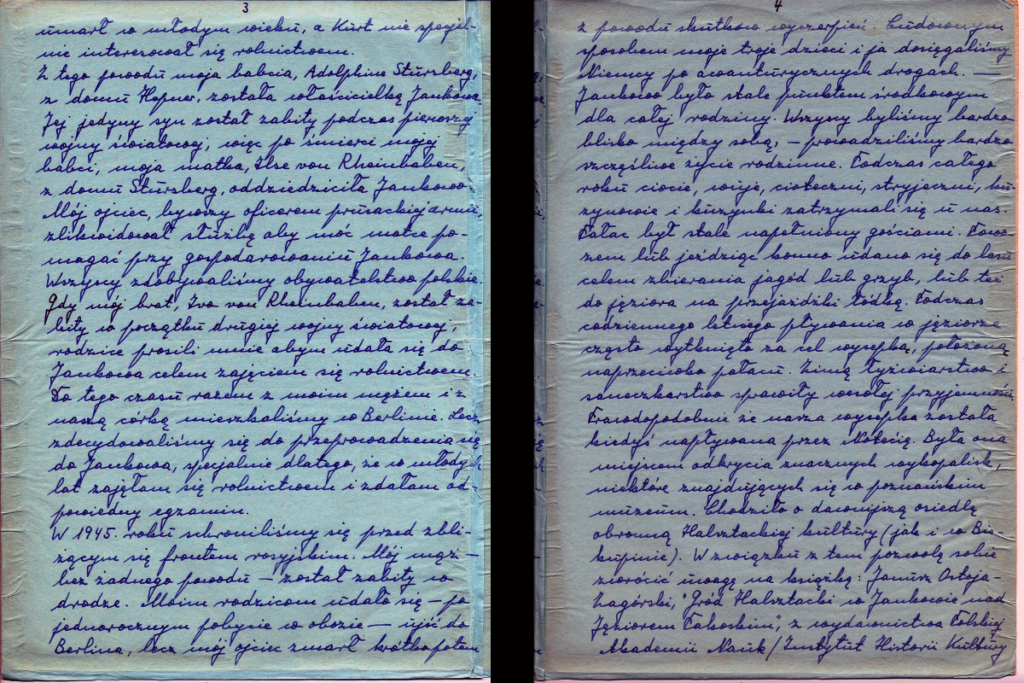
The baron and baroness entrusted the estate to their daughter, Urszula. In 1941, the property came into her hands, and Urszula, together with her husband, Teodor von Geyr, moved to Jankowo and took over the management of the estate. However, this situation did not last long — the shifting front forced the owners to leave the property at the beginning of 1945; they decided to go to Berlin. On the way to Berlin, the owner’s husband was killed, and her parents ended up in a camp where they were held for a year.
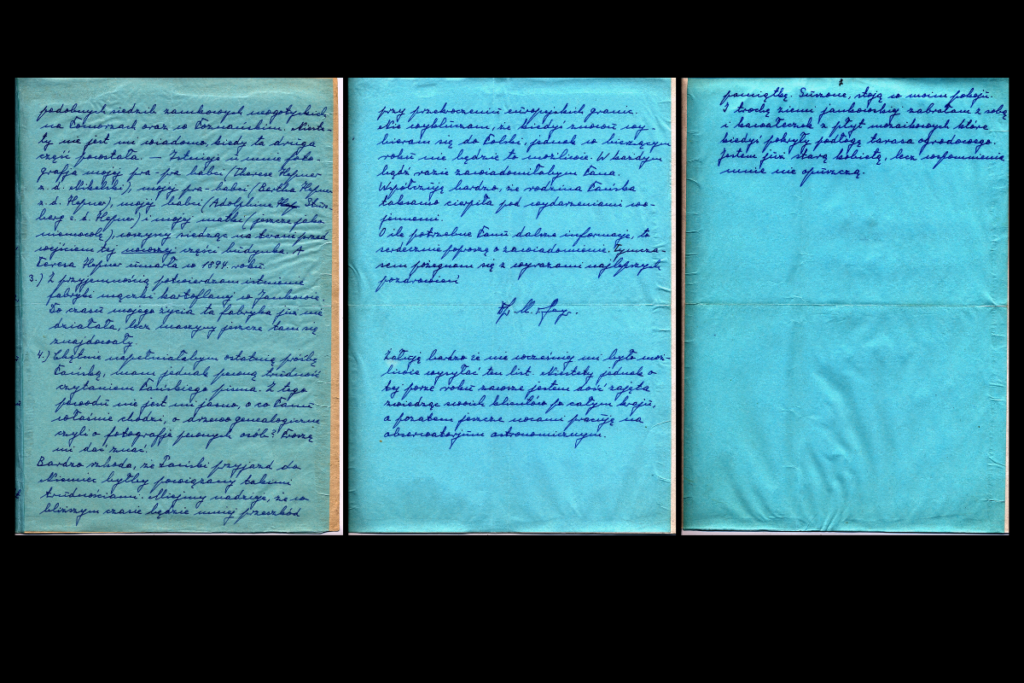
After the war, Urszula von Geyr lived in Lahntal in Hesse (Hessen). For years, she remained interested in the fate of the palace, and in 1984 she saw Jankowo again and, together with her daughter, took a walk through the park. No wonder — for many years this place was the center of family life, later remembered with great warmth. This is how the last owner of the estate wrote about Jankowo: “... we led a very warm family life. Throughout the entire year, aunts, uncles, and cousins on both sides would stay with us. The palace was constantly filled with guests. By carriage or on horseback we went to the forest to pick berries and mushrooms; we rowed boats on the lake. The island opposite the palace was the destination of our daily swims in the lake. In winter, ice skating and sledding brought great pleasure. My mother was a music lover, so at times she would invite a quartet from the Berlin Opera to spend their holiday in Jankowo. In 1984 I saw Jankowo again. I managed to take a walk through the park with my daughter. There is not a single tree there on whose branches I did not once sit, nor a corner that is unfamiliar to me. I took a few twigs from the park as a keepsake. Dried, they stand in my room. And I also took with me a little of Jankowo soil — and a small piece of the mosaic tiles that once covered the platform of the terrace. I am already an old woman, but the memories will never leave me.”
JANKOWO
The Architecture of the Palace in Jankowo
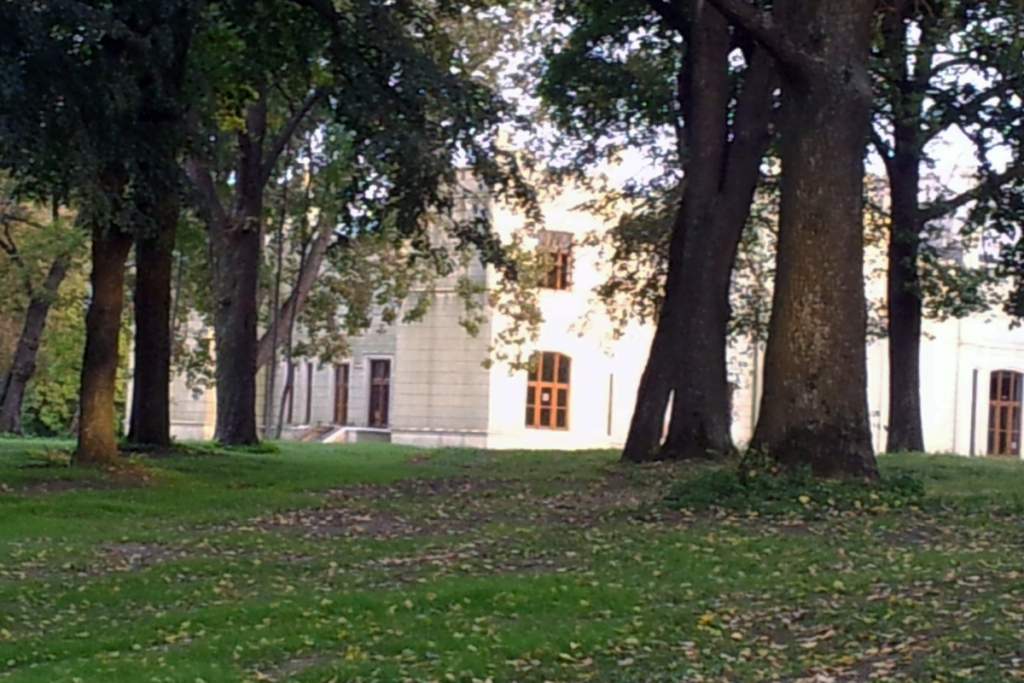
The palace in Jankowo is picturesquely situated on an elevated shore on the western side of Jezioro Pakoskie and is surrounded by a 19th-century park. On the other side of the residence, behind the palace, there are farm buildings. The entire complex — the palace, the park, and the farm facilities — is semicircled by a road that runs largely along the lakeshore and connects Mogilno with Pakość. Beyond it stretch cultivated fields, formerly belonging to the estate. Two roads branch off from this route and lead to the palace: the first runs through the area with the farm buildings, while the second — the formal approach — takes guests along a park avenue until the front of the building comes into view, with its distinctive rectangular tower.
The palace was built in the Neo-Gothic style, particularly popular in 19th-century Central Europe, including the territories that were then under Prussian rule. Referring to medieval forms, this style emphasized the representative character of the residence and the importance of tradition. To this day, it is not known who designed the building. Family accounts link the project to Friedrich August Stüler; however, it seems more likely that he served as a consultant, while the actual design was produced within the circle of his collaborators. The character of the building — especially its corner towers — is also sometimes compared to the style of another Prussian architect, Georg Hitzig.
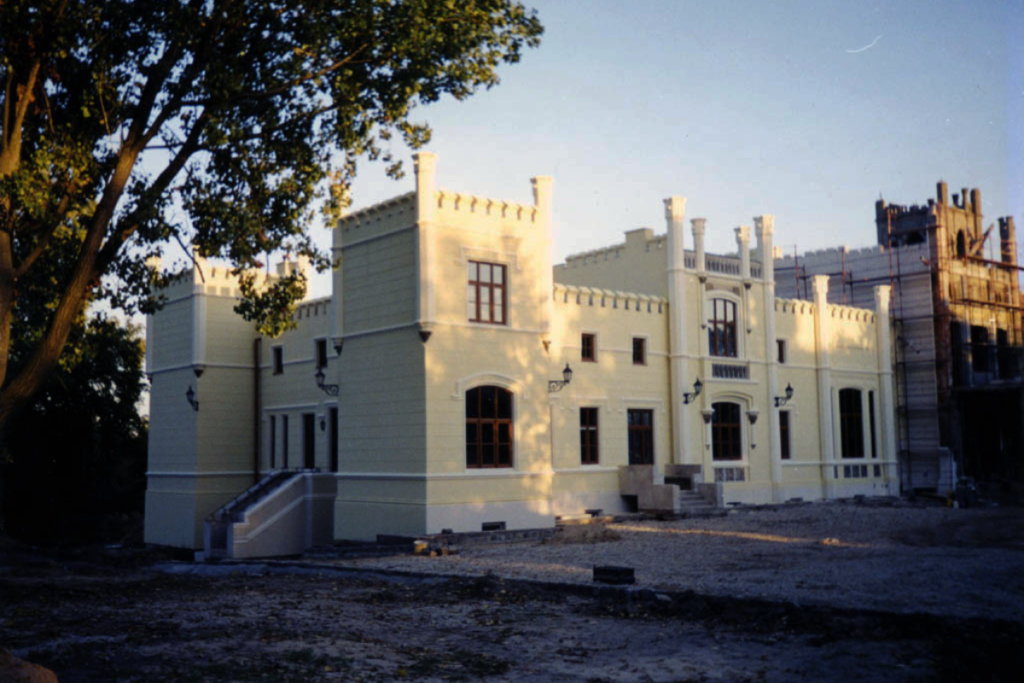
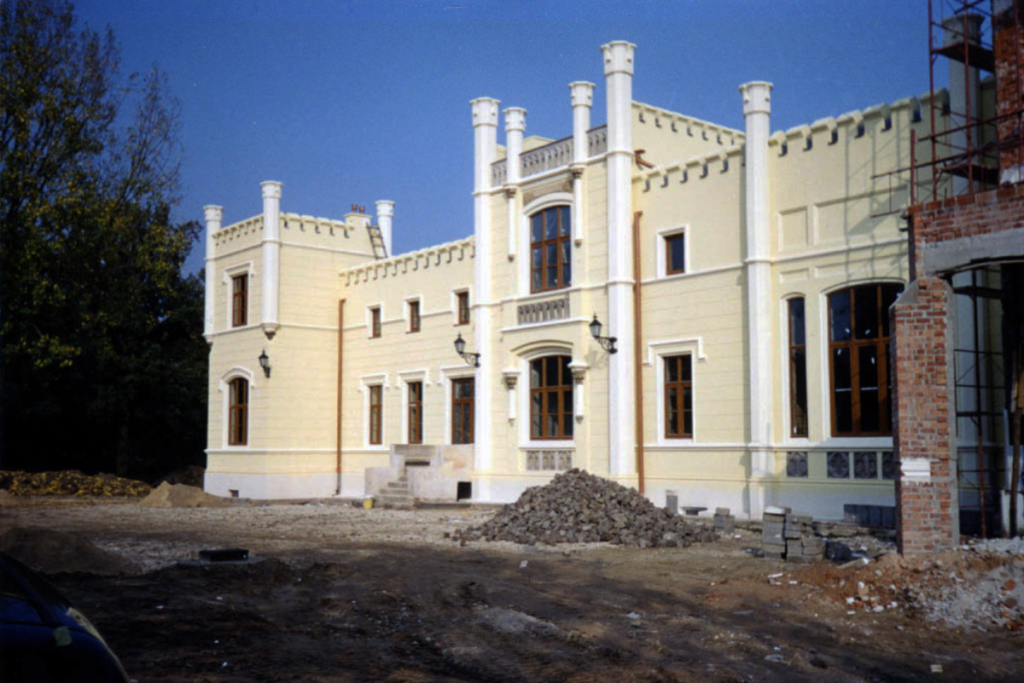
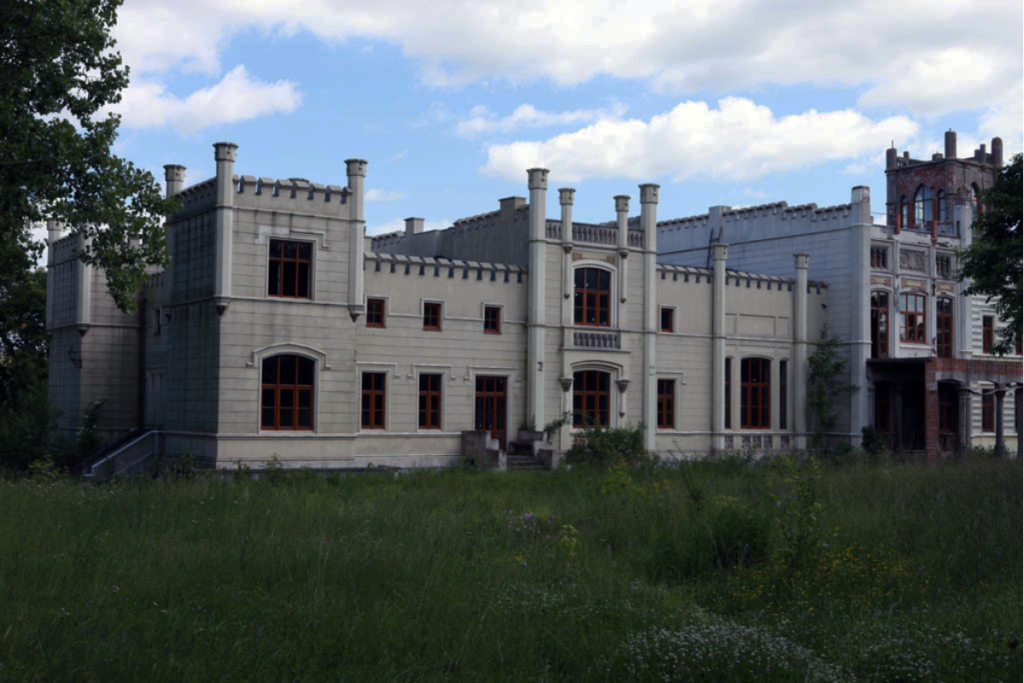
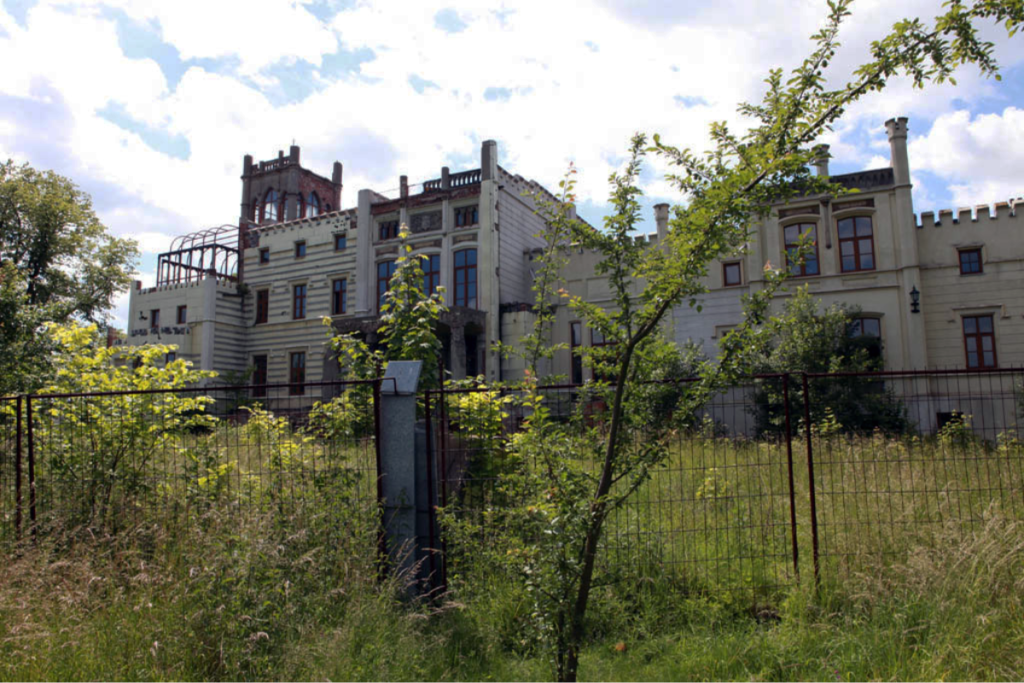
Construction proceeded in several phases: the first part was completed before 1863, and the next probably toward the end of the 19th century, with the newer section being slightly higher than the older one. One reason for the expansion may have been that two families lived in the palace: that of Simon Albert Hepner and that of his daughter, Adolphine Luise, with her husband, Paul Strussberg.
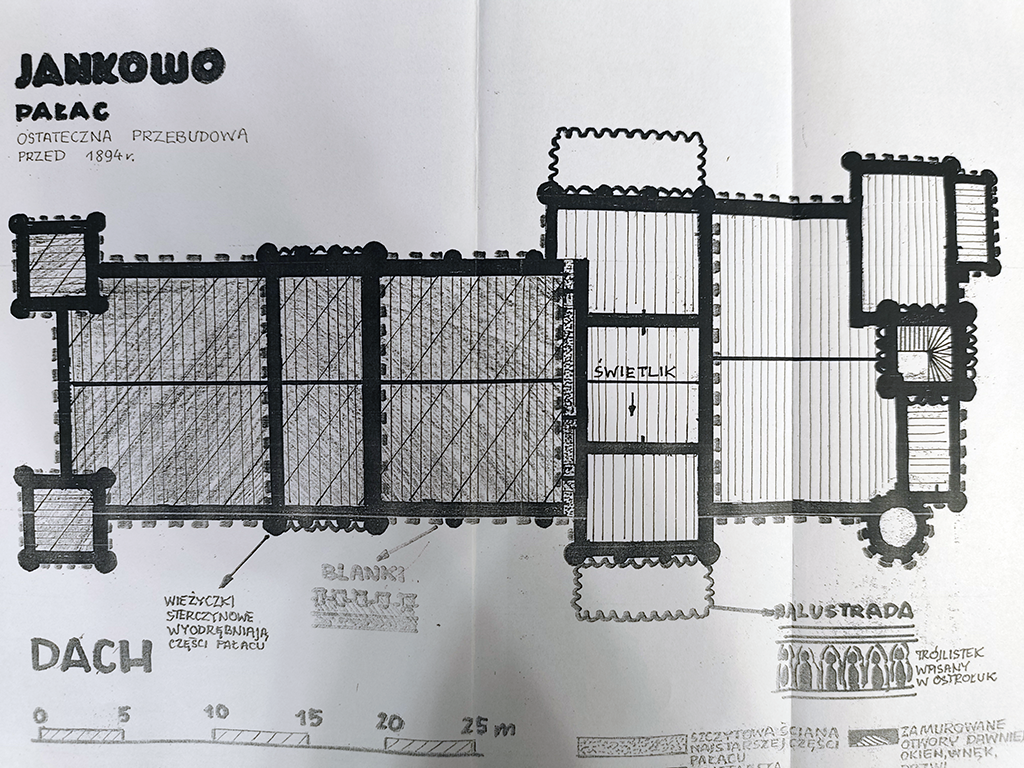
The palace faces west with its main façade, while the garden elevation overlooks Jezioro Pakoskie. The entire building is notably decorative. The principal accent of the massing is a rectangular tower with pointed-arch openings, integrated from the south into the body of the building. The front is also adorned with additional towers: a round one at the southern corner and a four-sided one at the northern corner. The individual corners are emphasized by pinnacled turrets, and the upper edges of the walls are crowned with crenellations.
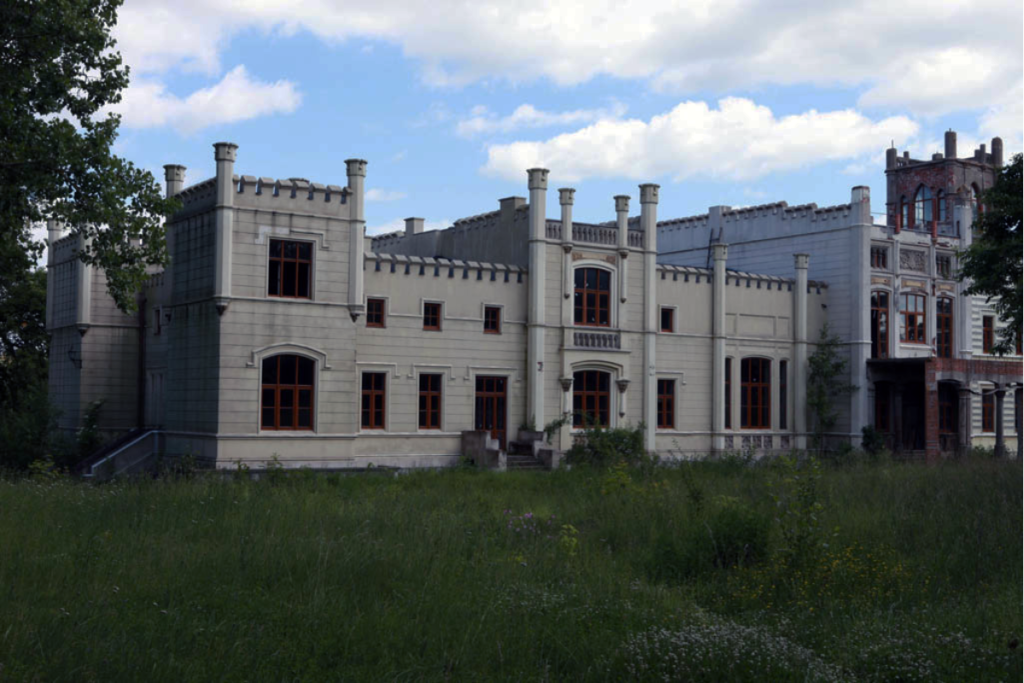
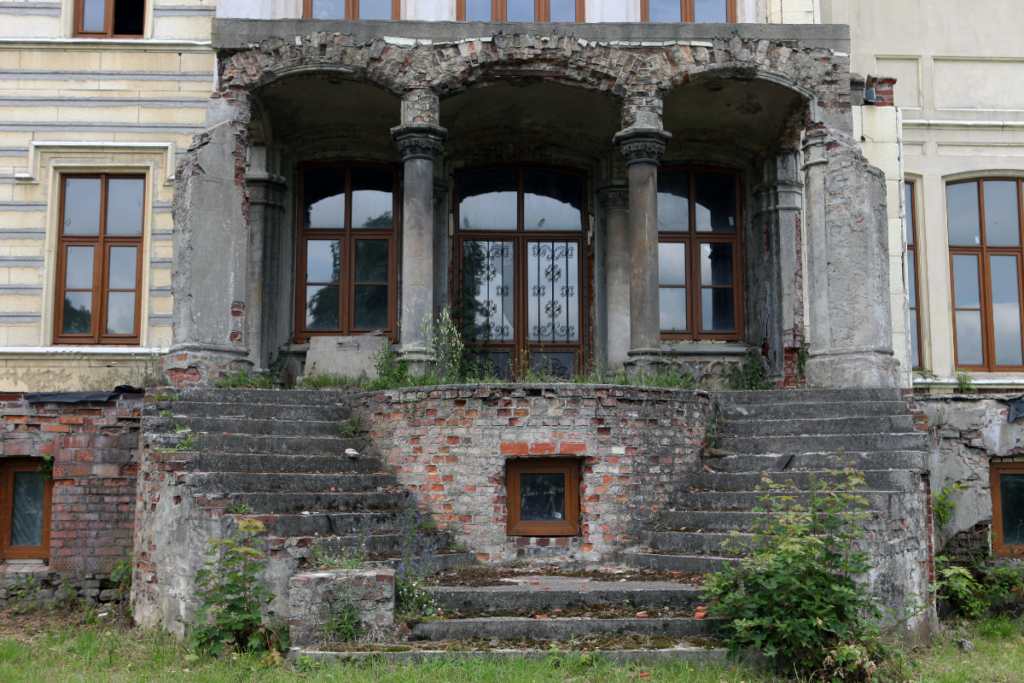
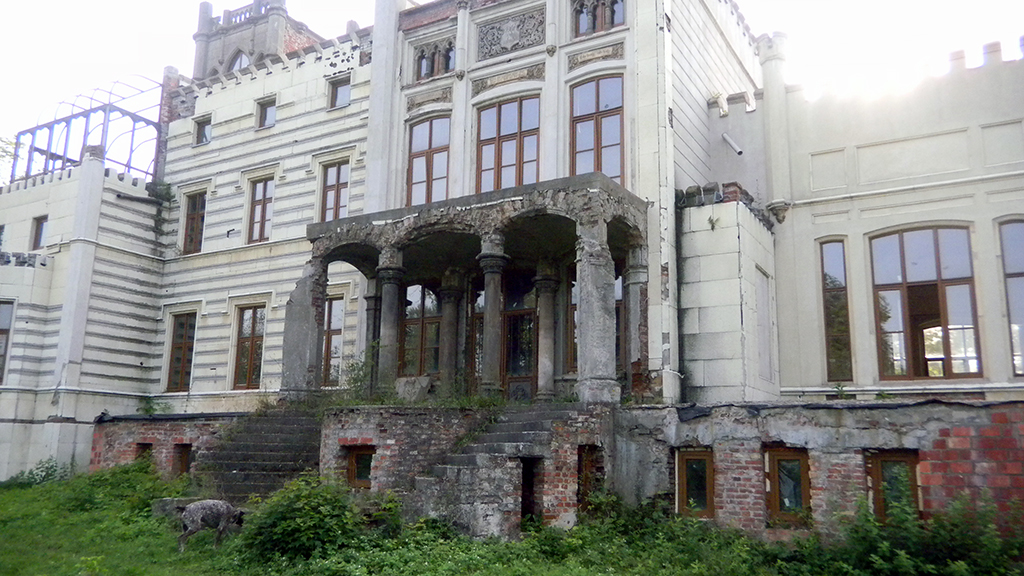
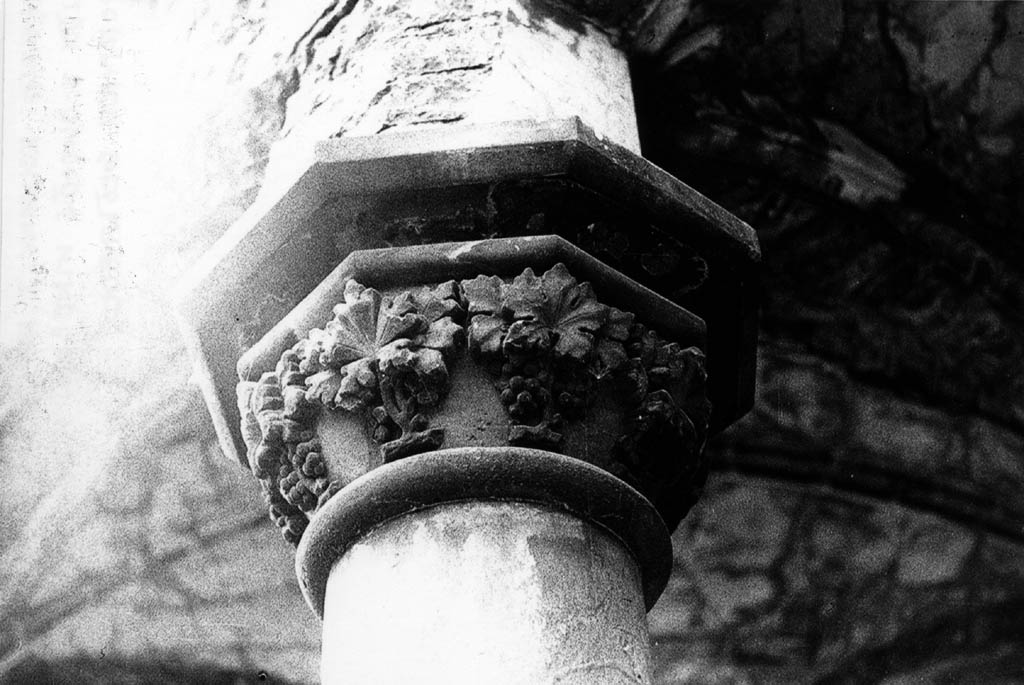
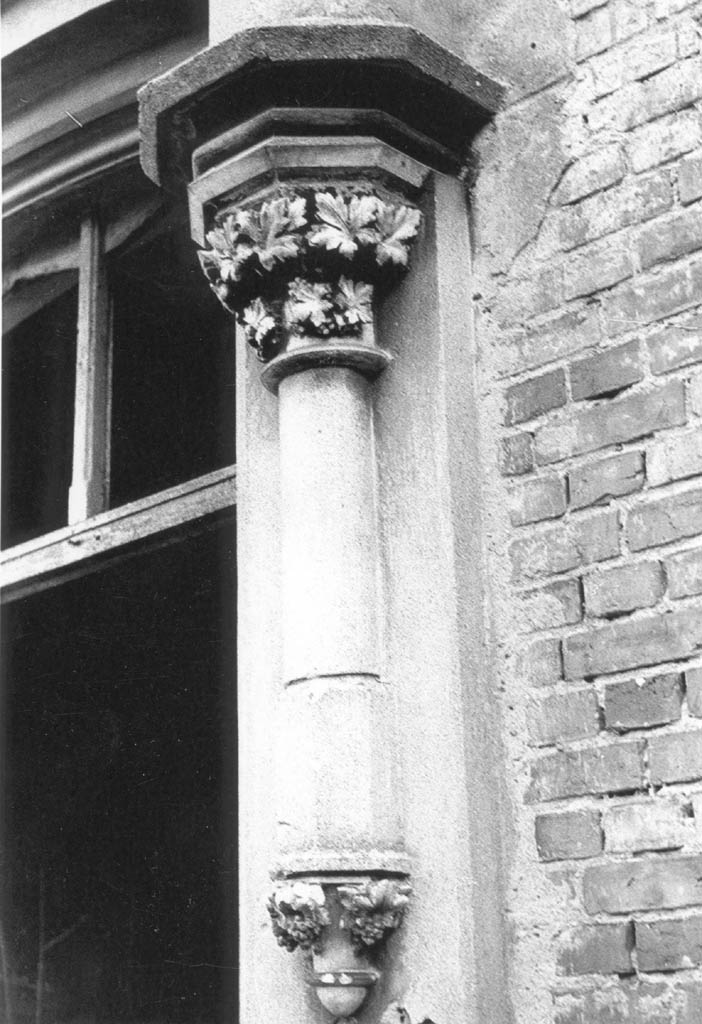
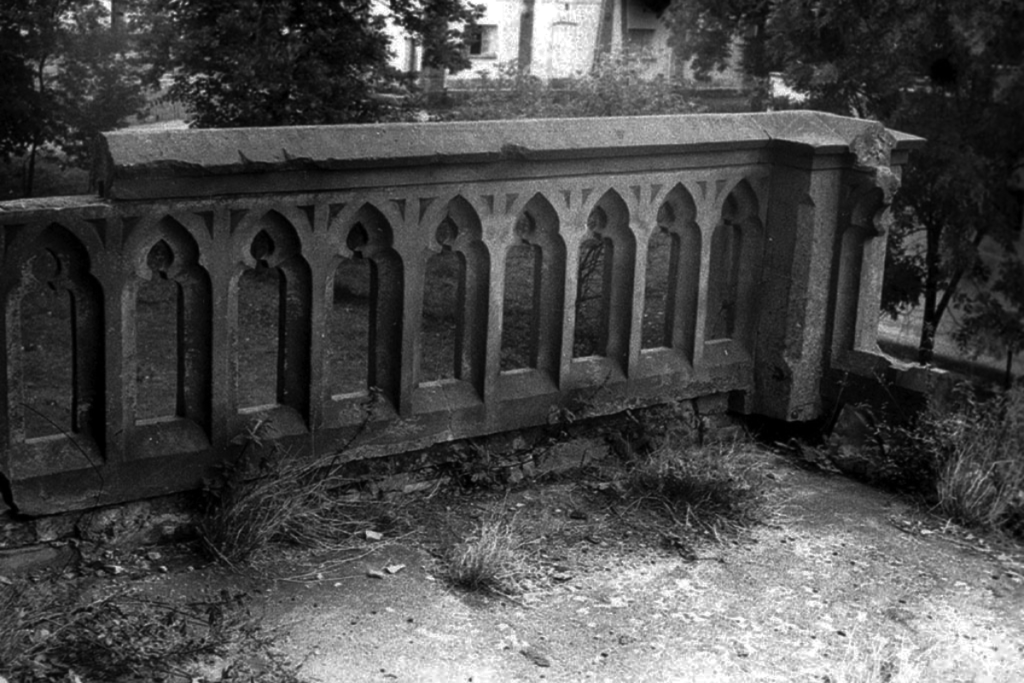
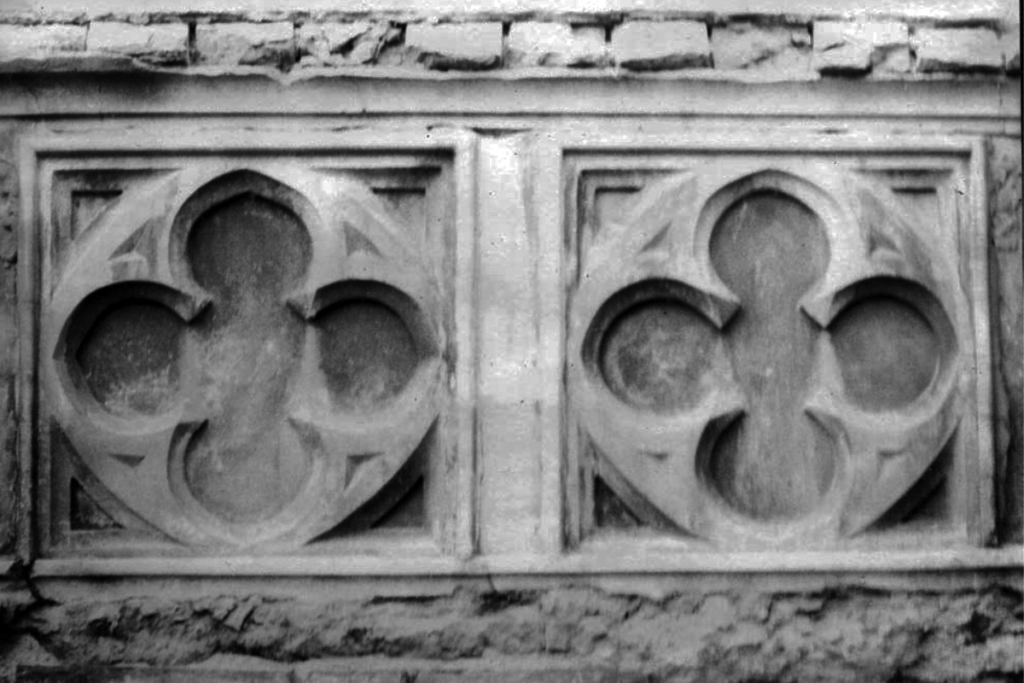
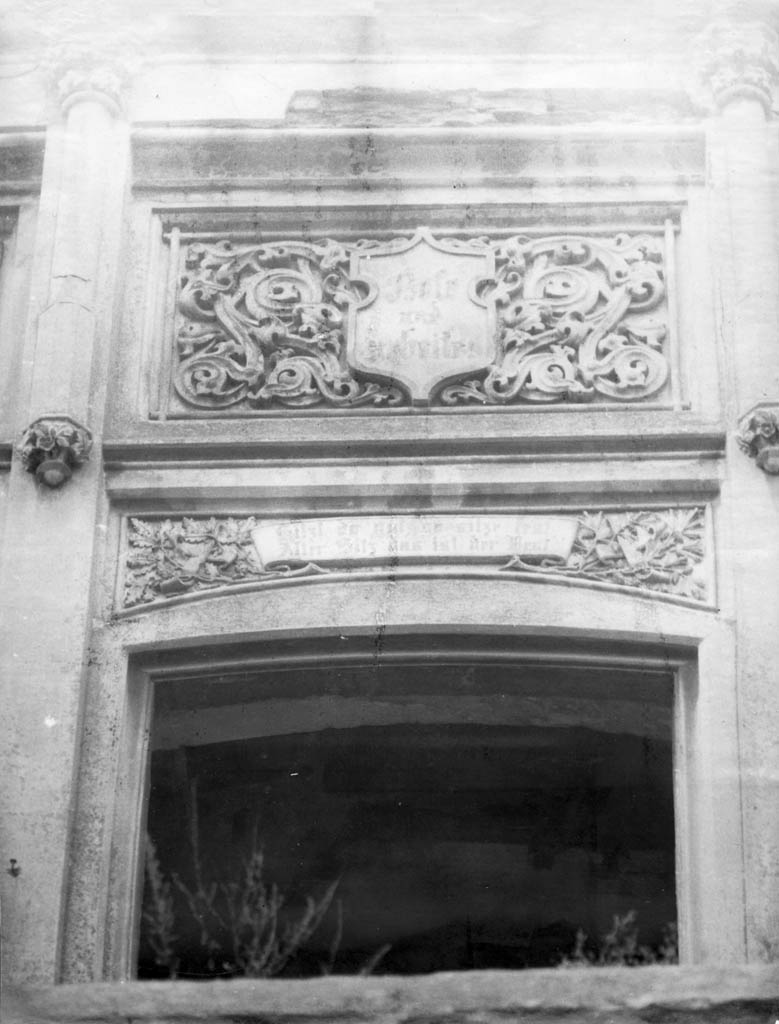
The palace’s charm is enhanced by projecting colonettes with decorative leaf-shaped capitals, balustrades with a trefoil motif, ornamental panels in the parapet walls, and a risalit with porticoes. The porticoes were filled with cartouches and a ribbon bearing German moralizing maxims, some of which have been deciphered (spelling preserved as recorded). The inscriptions in the cartouches on the front porticoes read: Das Bauens Müli, das Bauens Lust. Hat mauchen schon viel Golg geburst. — (The toil of building, the love of building, has already cost many dearly.) Wilkommen Gott wilkommen, Abschied nicht genommen. — (Welcoming God, welcoming—farewell will not be forever.) Meanwhile, the cartouches placed on the elevation facing the garden include: Sitzt du gut so Sitze fest, Alter Sitz das ist der best. — (To sit firmly is to sit well; an old seat is the best.) Bete und arbeite. — (Pray and work.)
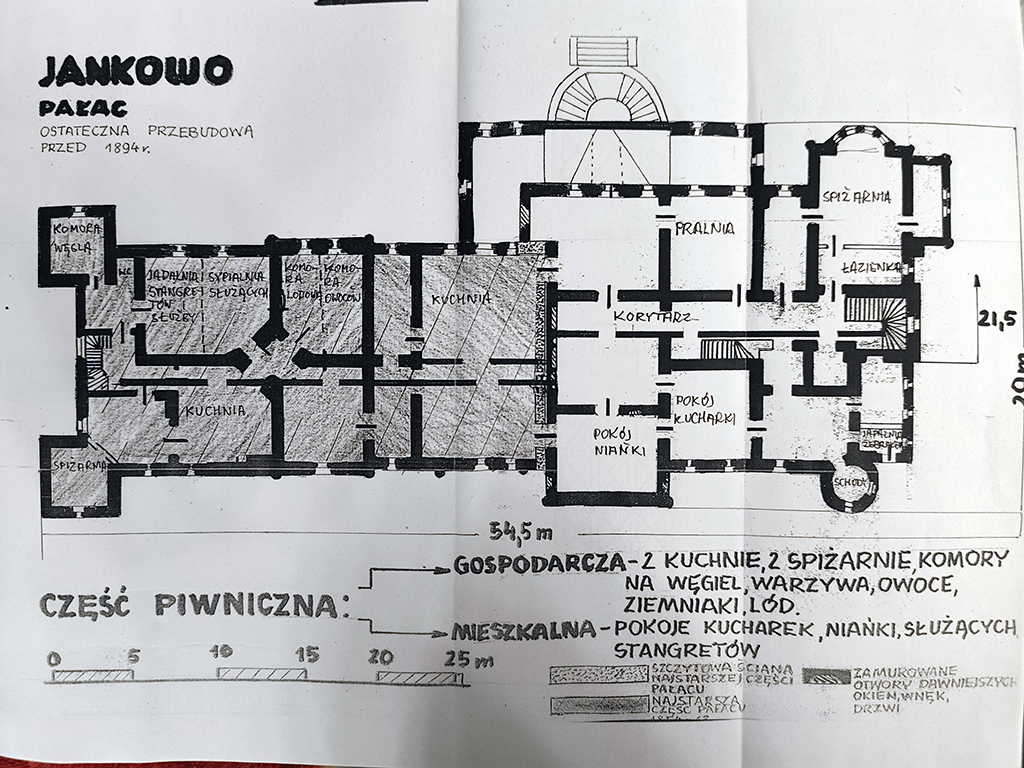
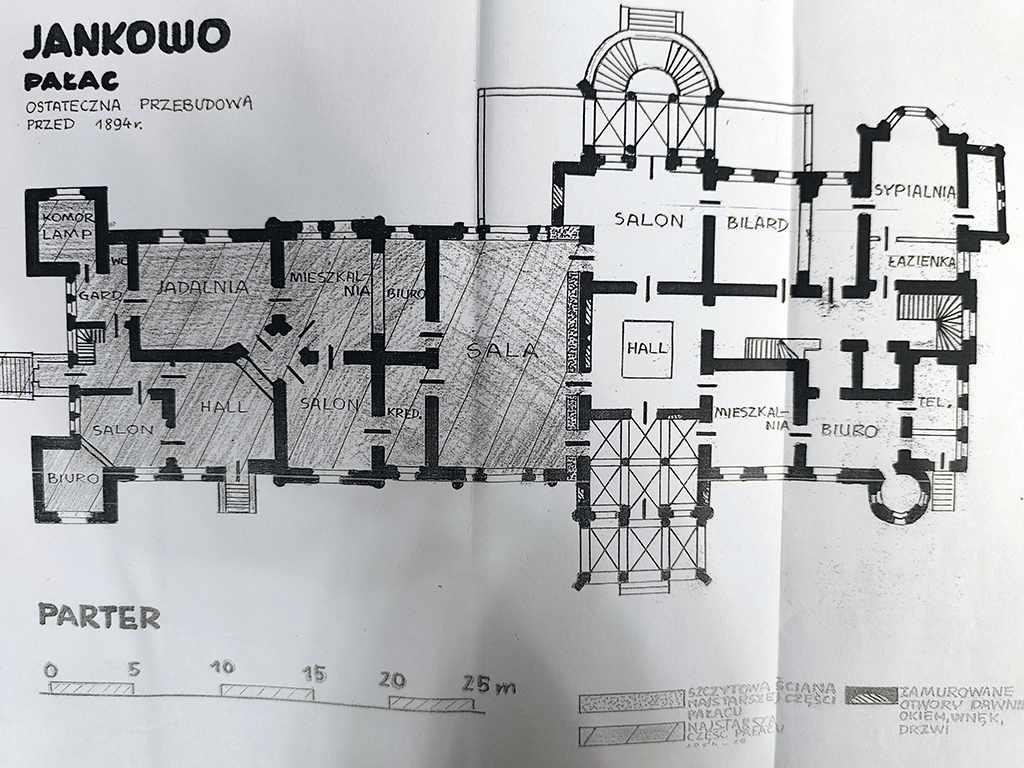
The building has an elongated, irregular layout. Its longest axis measures 54.5 m, the shortest 20 m, and the usable floor area totals nearly 2,200 m². The palace’s formal entrance leads through the western portico, which supports a first-floor terrace. Through a matching portico on the opposite side of the palace, one could step out into the garden.
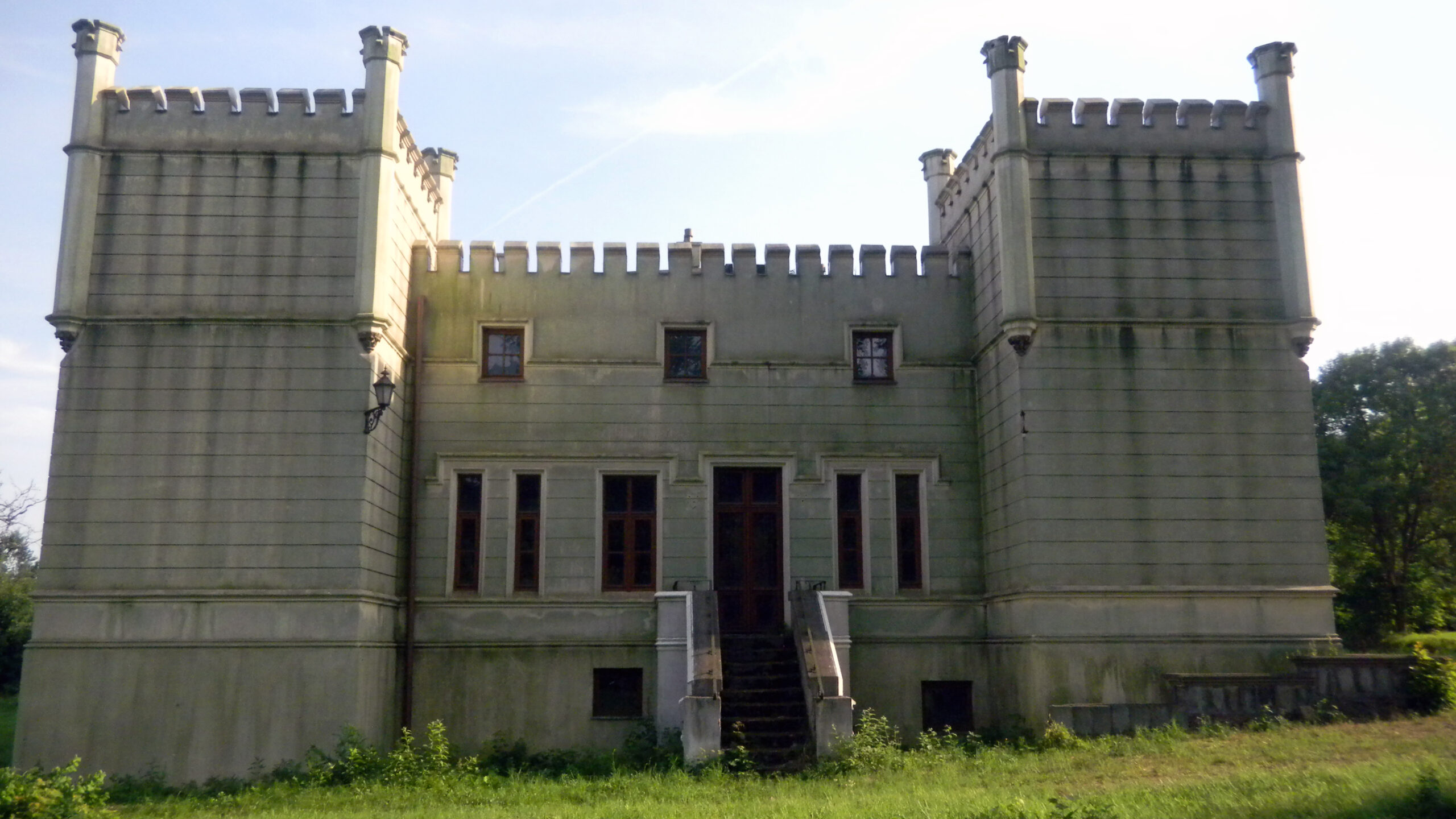
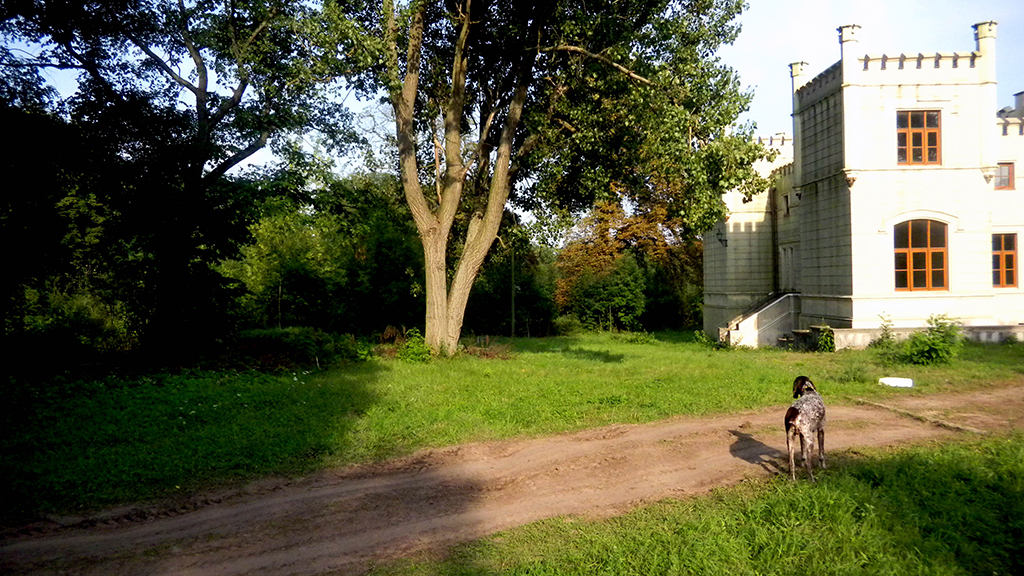
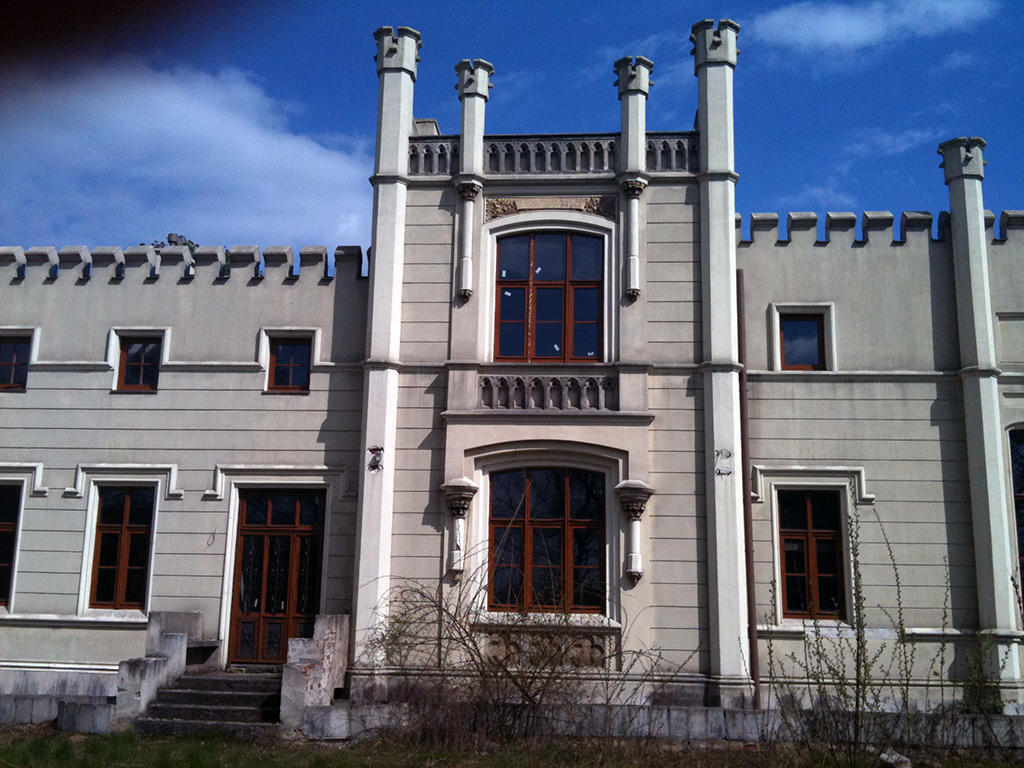
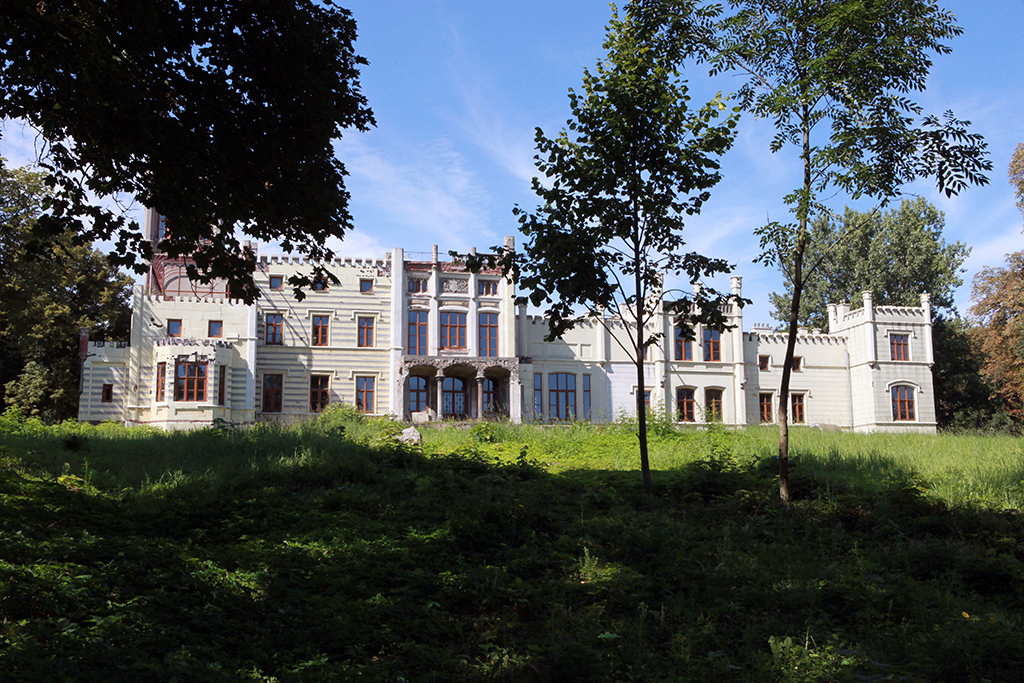
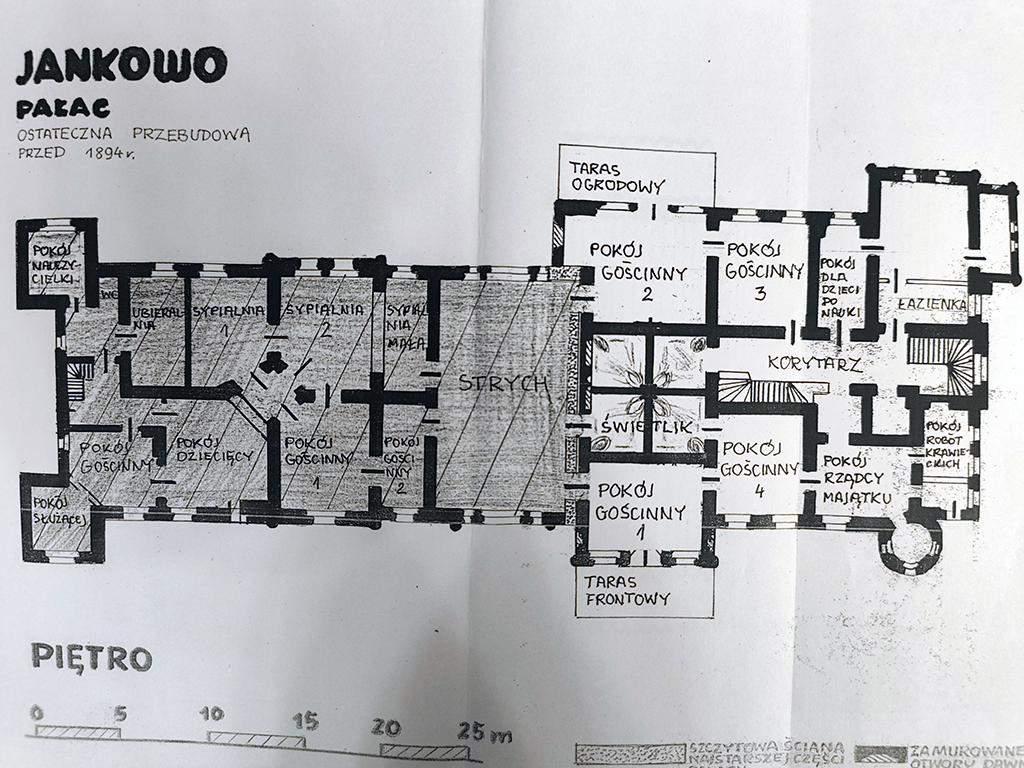
Two generations lived in the palace and ran separate households, which is reflected in the layout of the rooms. The compositional axis was the largest hall running through the center of the palace, next to which stood a formal two-storey entrance hall with a skylight decorated with painted glass panels. A second entrance and hall were located in the further, southern part of the building. The rooms to the left of the main hall corresponded in function to those on the right. The same was true upstairs: there was no clear internal connection between the parts used by the two families, and each had its own staircase — one in the lower section of the palace, leading directly from the entrance hall, and the other from a corridor adjoining the hall with the skylight. The palace was entirely basemented.
The ground floor had a representative character: in addition to the largest hall, it included two salons, a dining room, a billiards room, and offices. The upper floor contained bedrooms and dressing rooms, rooms for the governess and the maid, children’s rooms and rooms for sewing work, as well as guest rooms — two of which were connected to terraces. The basements housed utility rooms, as well as living quarters, bathrooms, and staff dining rooms. Each family had its own kitchen and pantry, while the laundry was shared.
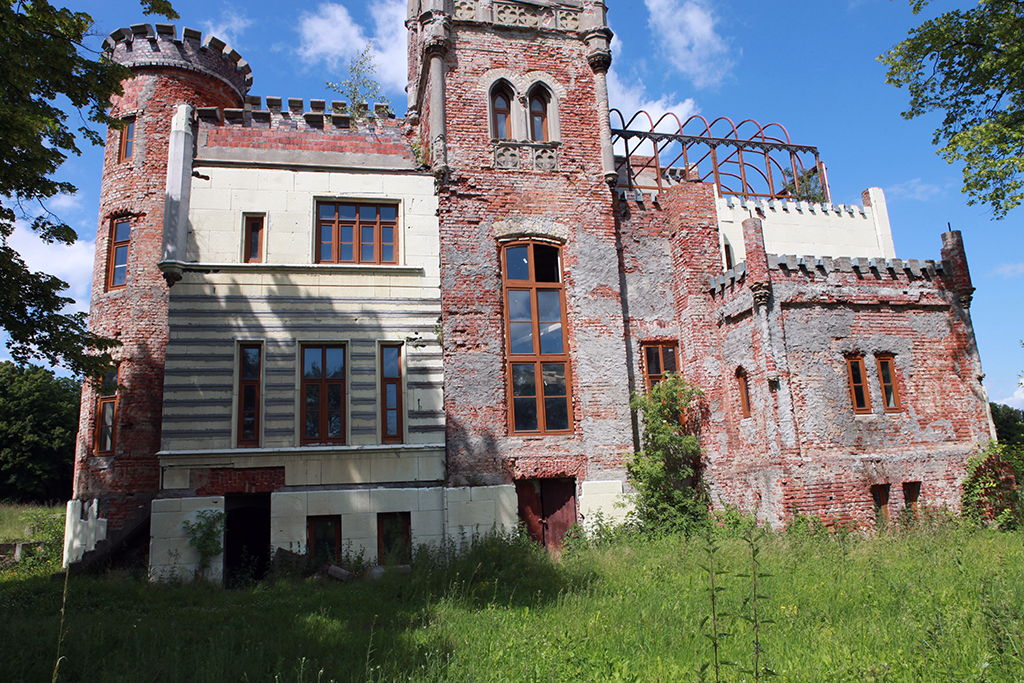
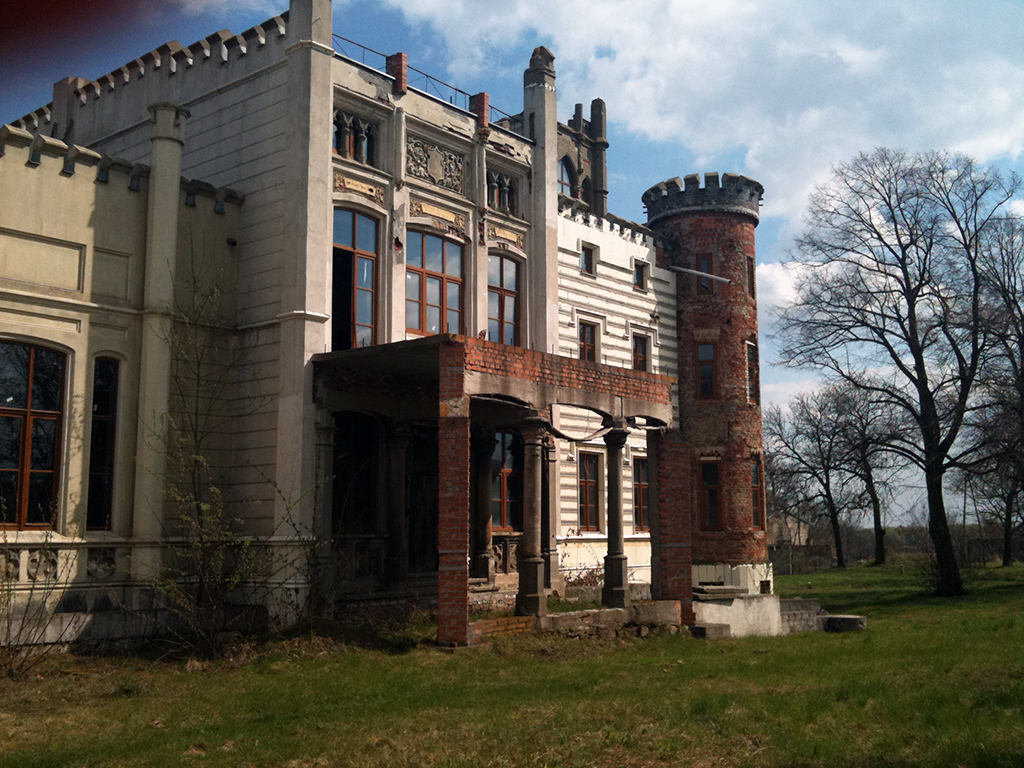
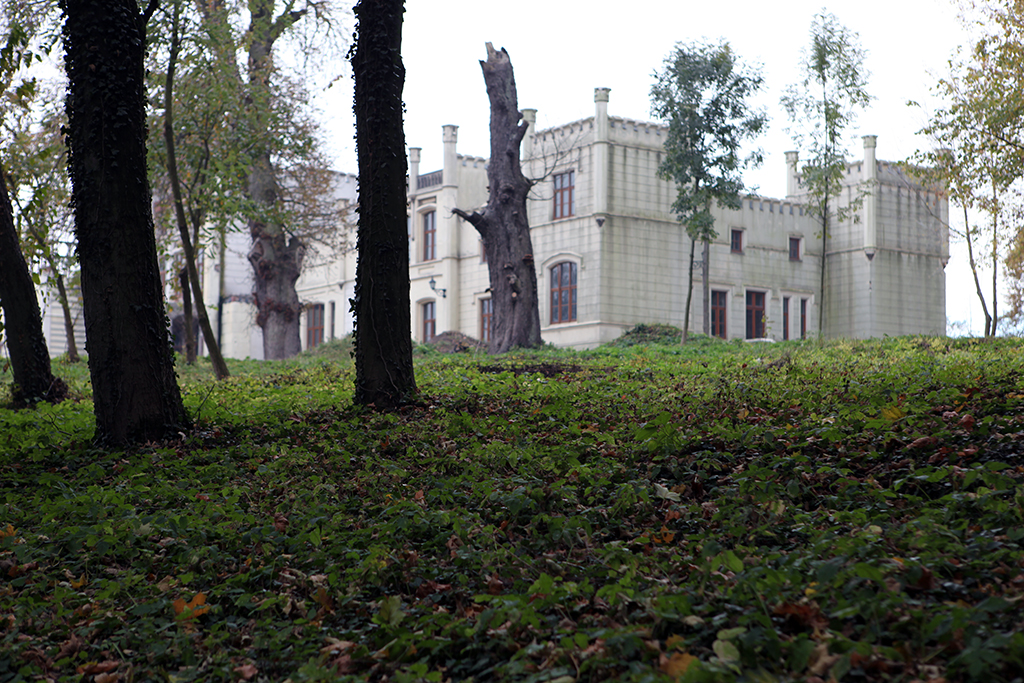
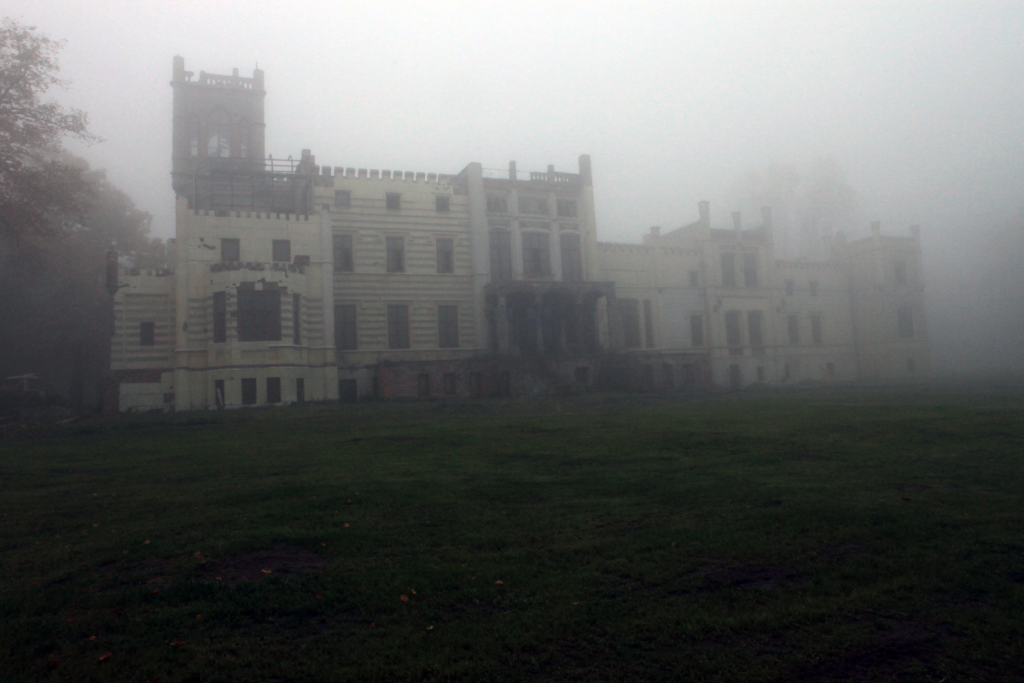
The palace has always impressed with its picturesque massing, complex plan, and exceptional lakeside setting; it has sometimes been described as one of the more imposing residences in northern Poland. All the more clearly, this shows how much consistent conservation and investment work matters — a property of this class especially deserves to have its former stature restored.
In terms of heritage protection, the palace’s massing is of key value. Conservation guidelines primarily concern restoring the proper finish of the façades: after removing the polystyrene insulation, the building should be rendered with natural plaster, and the window joinery replaced with wooden frames. With regard to the interiors, the conservator allows full freedom of arrangement. The layout and décor of the rooms no longer retain significant historical value due to the destruction and alterations that took place during the period of the Polish People’s Republic.
JANKOWO
The Park in Jankowo
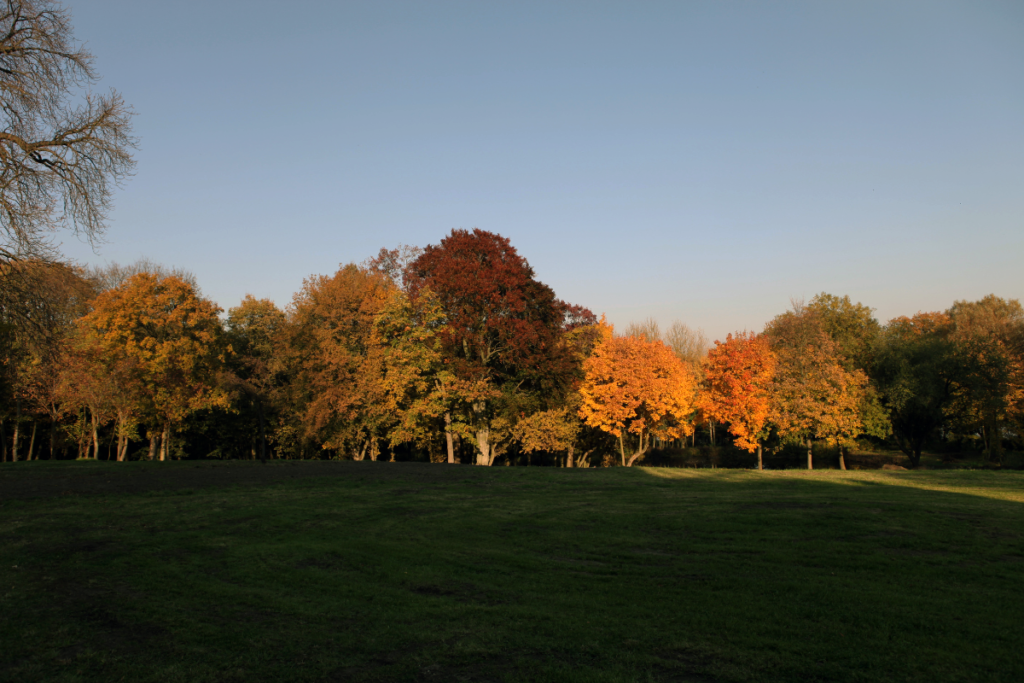
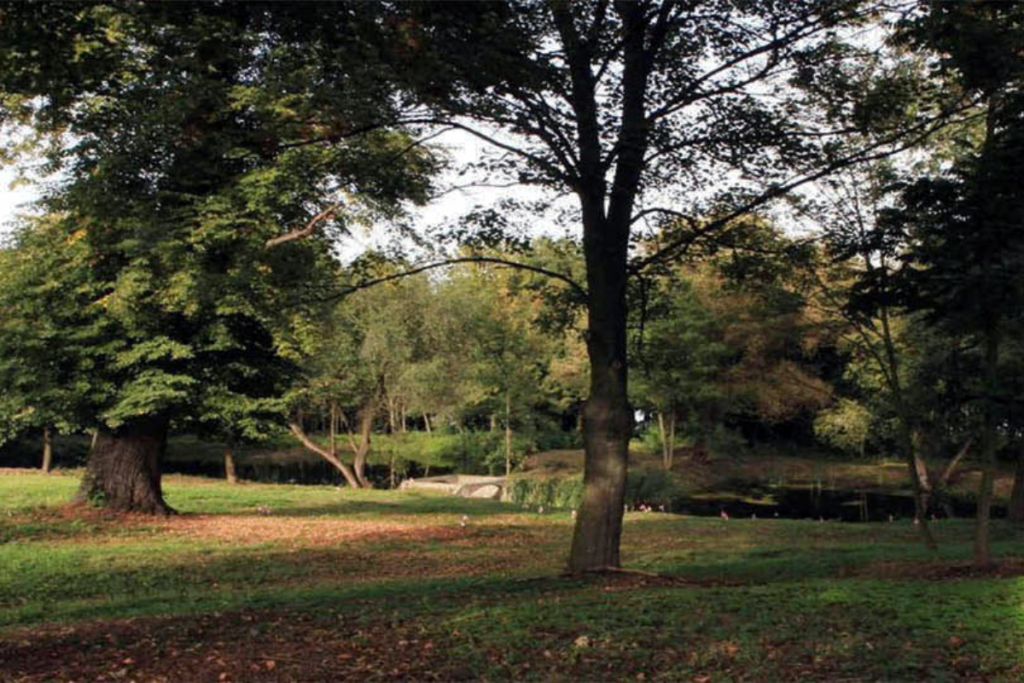
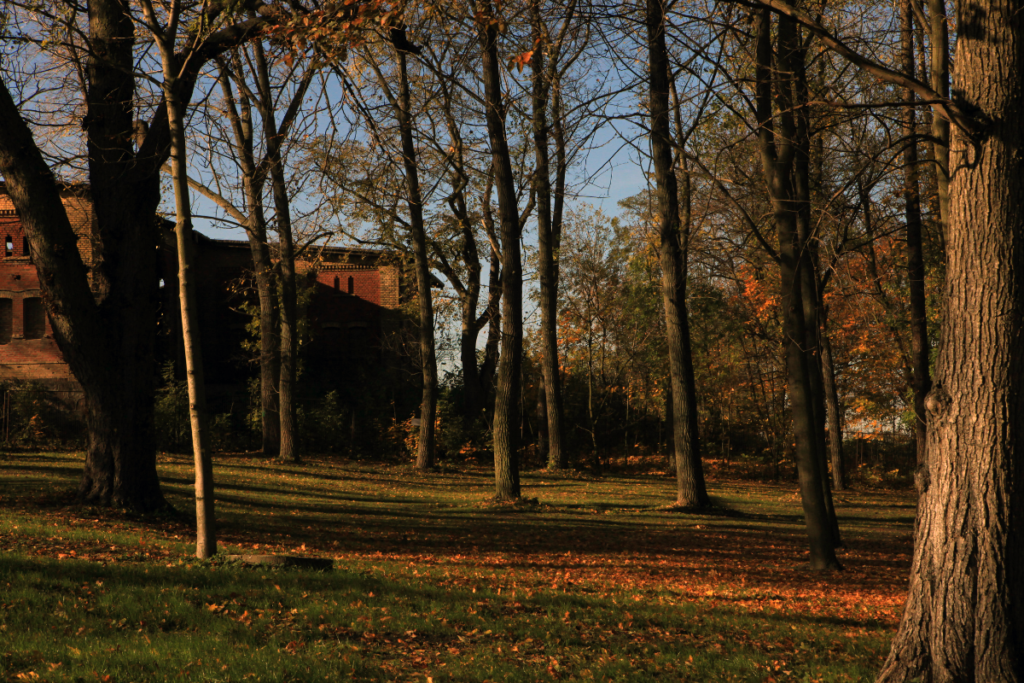
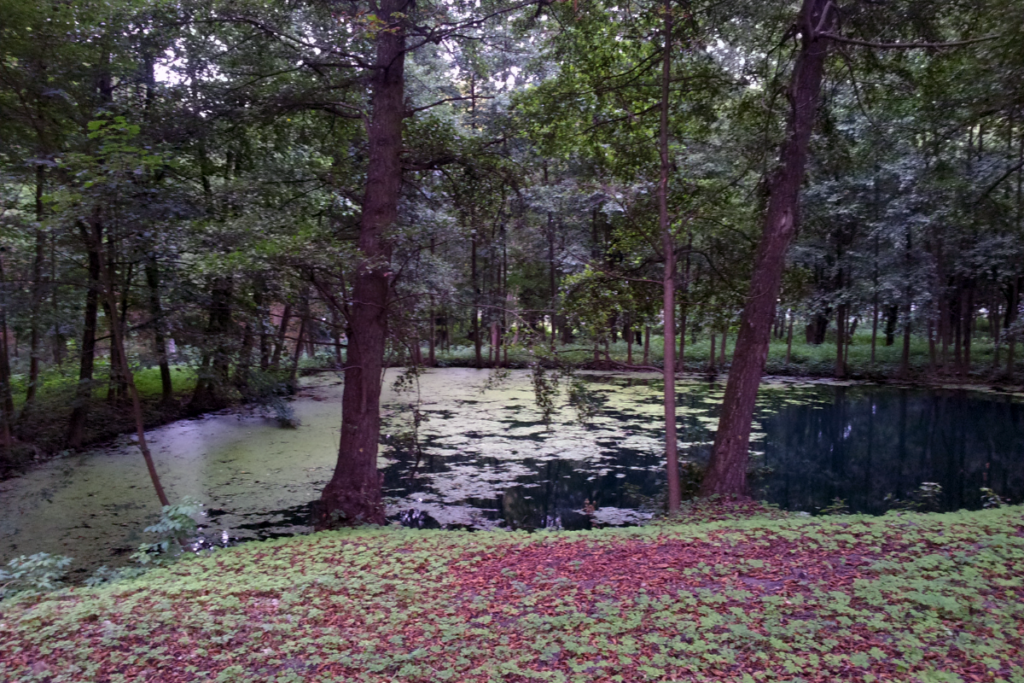
Right by the lake there were tennis courts and playgrounds for children. A little further on, there was a landing stage used for transporting agricultural produce — accounts mention sugar beet in particular, for which the area was renowned. A narrow-gauge railway was also said to run from the landing stage along the shore to Pakość, where the Hepners operated a sugar factory, creating a practical logistical link between the estate and the plant.
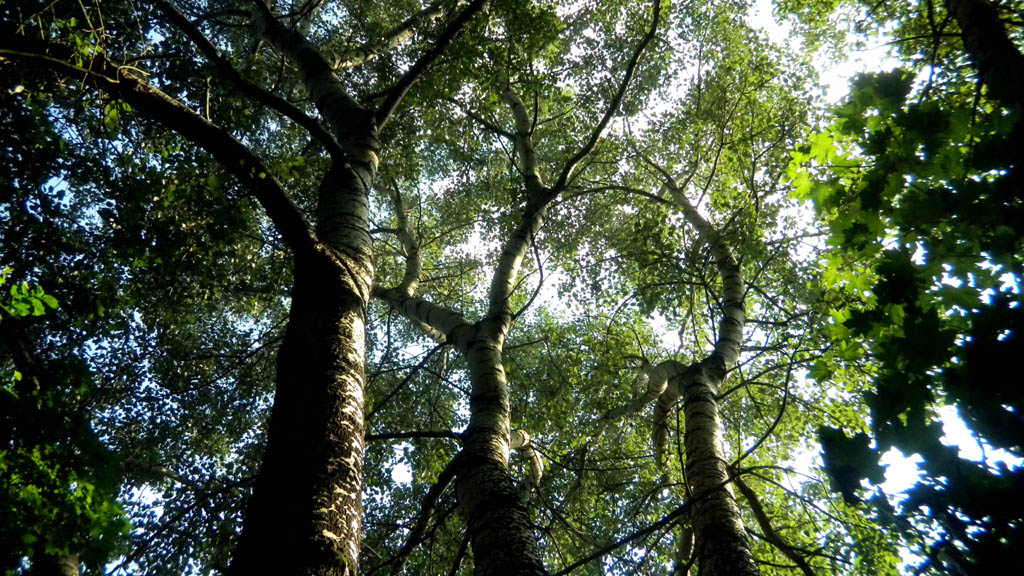
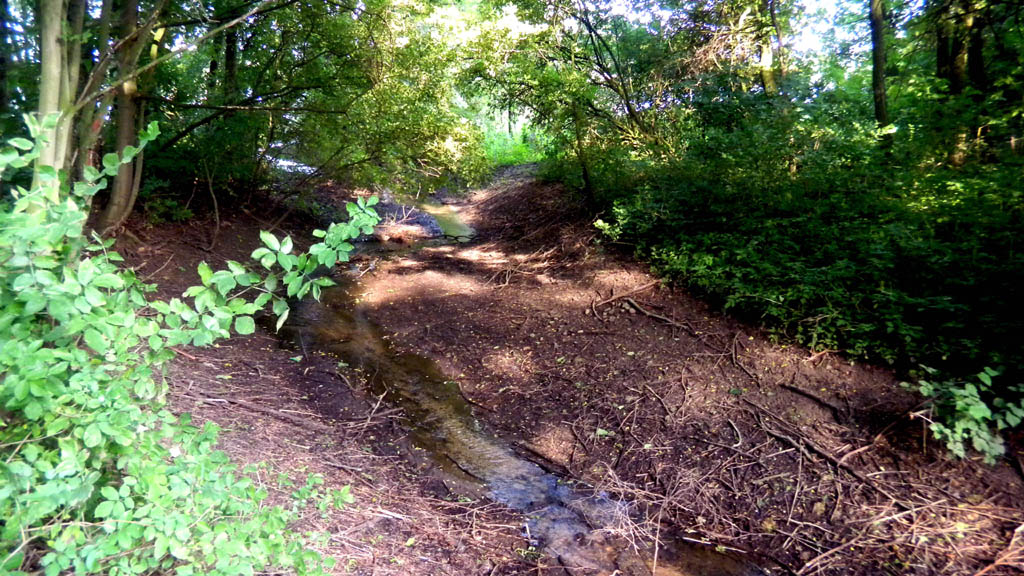
In the northern part of the park there is the Hepner family grave — an earth tomb framed with a marble border. A little further on, a stream flows through a ravine; before the war it powered an electric turbine that generated energy for lighting the palace rooms. Although the park was neglected for many years, it has survived in relatively good condition, and its grounds have clear natural value. An inventory carried out in the early 1990s recorded several dozen trees of monumental value. These included, among others, horse chestnuts, pedunculate and sessile oaks, European beech, small-leaved lime, pedunculate elm, Canadian goldenrain tree, and common ash.
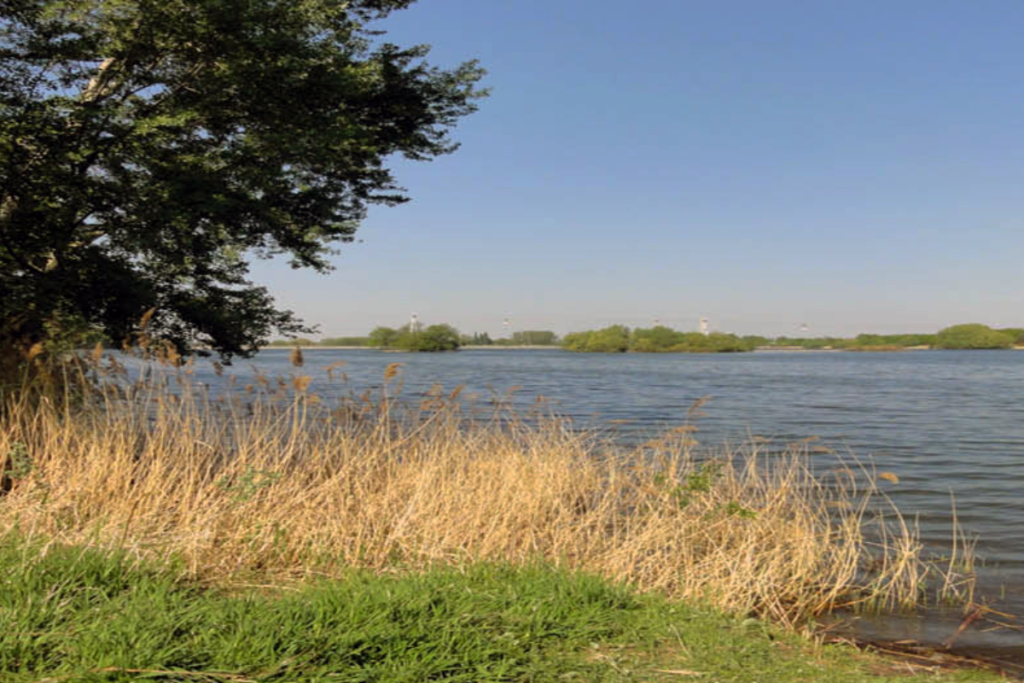
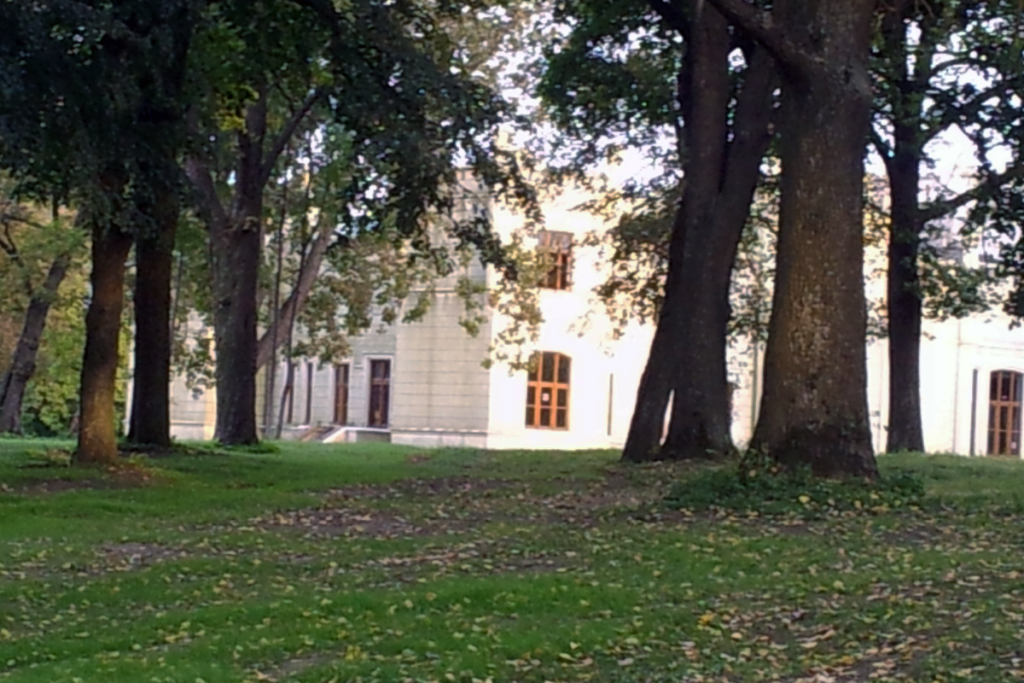
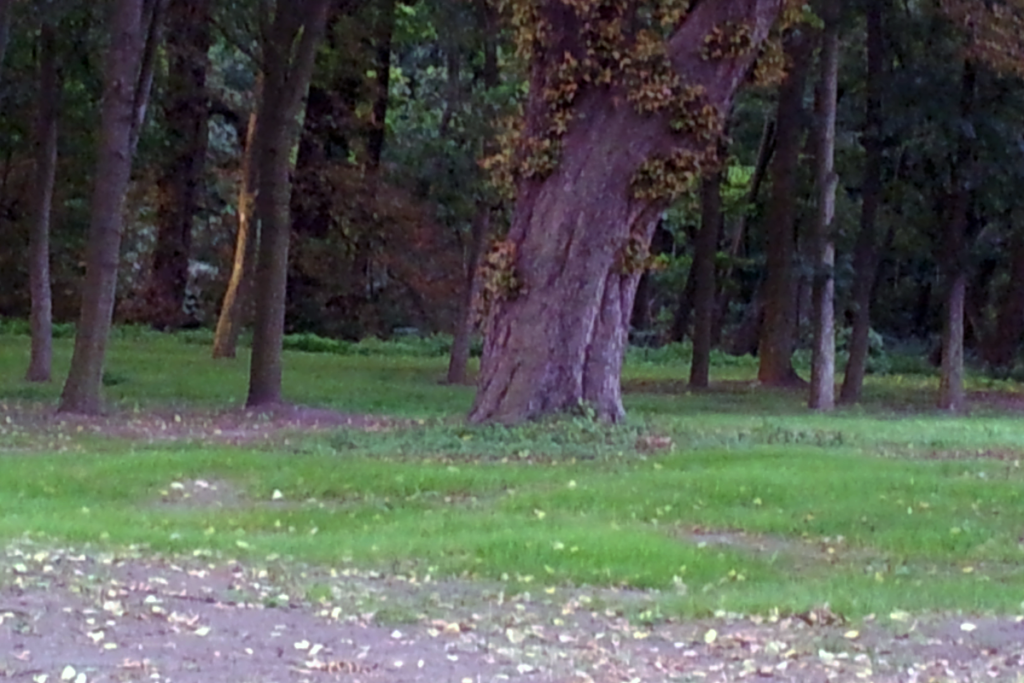
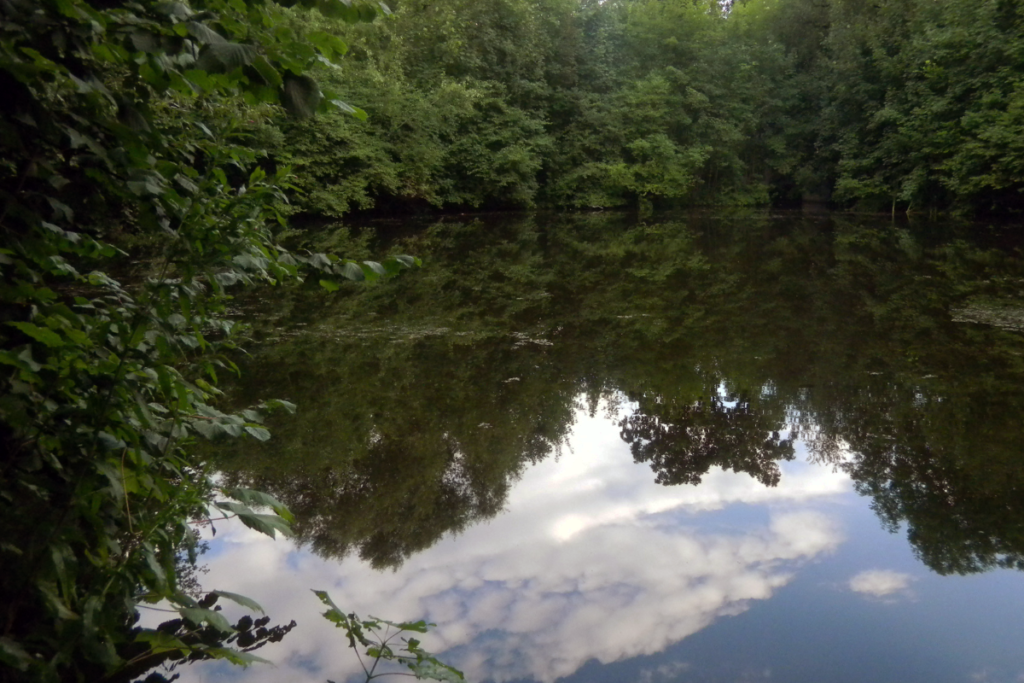
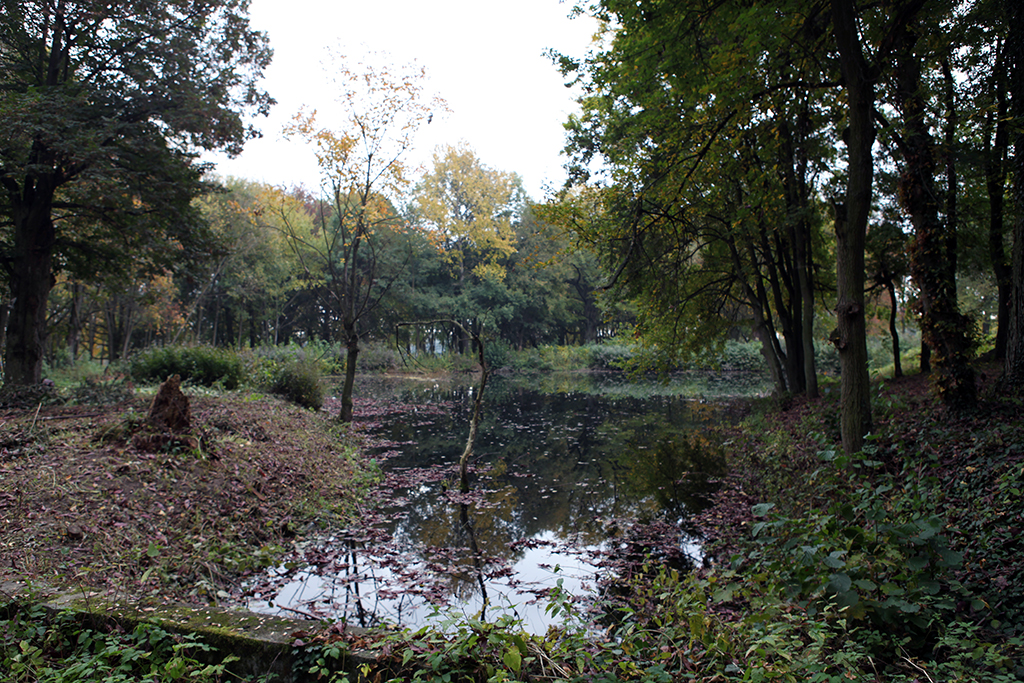
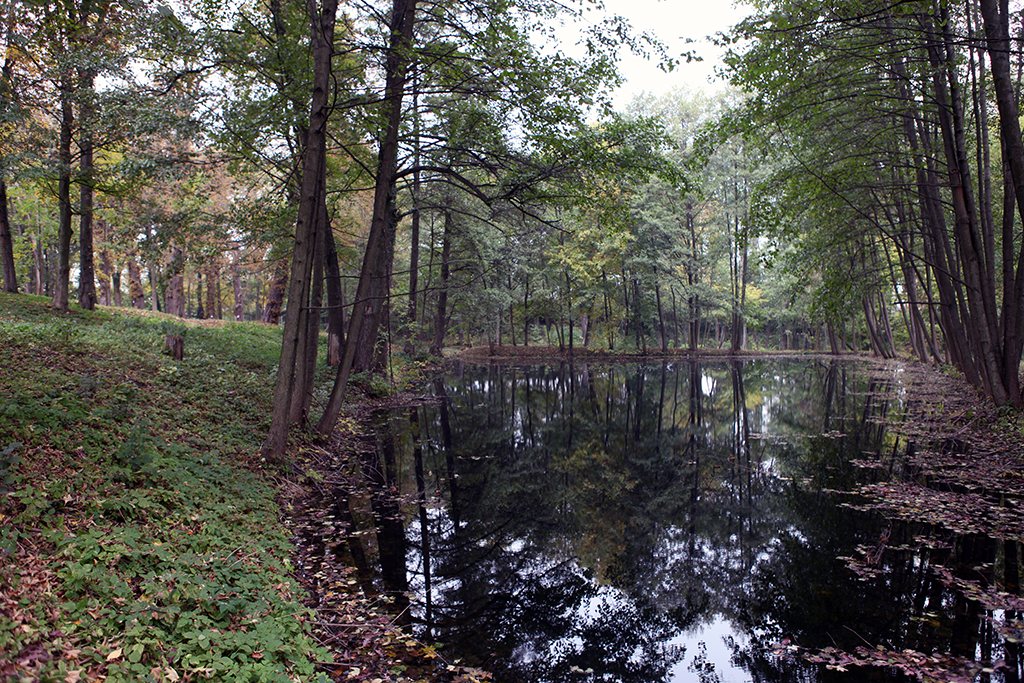
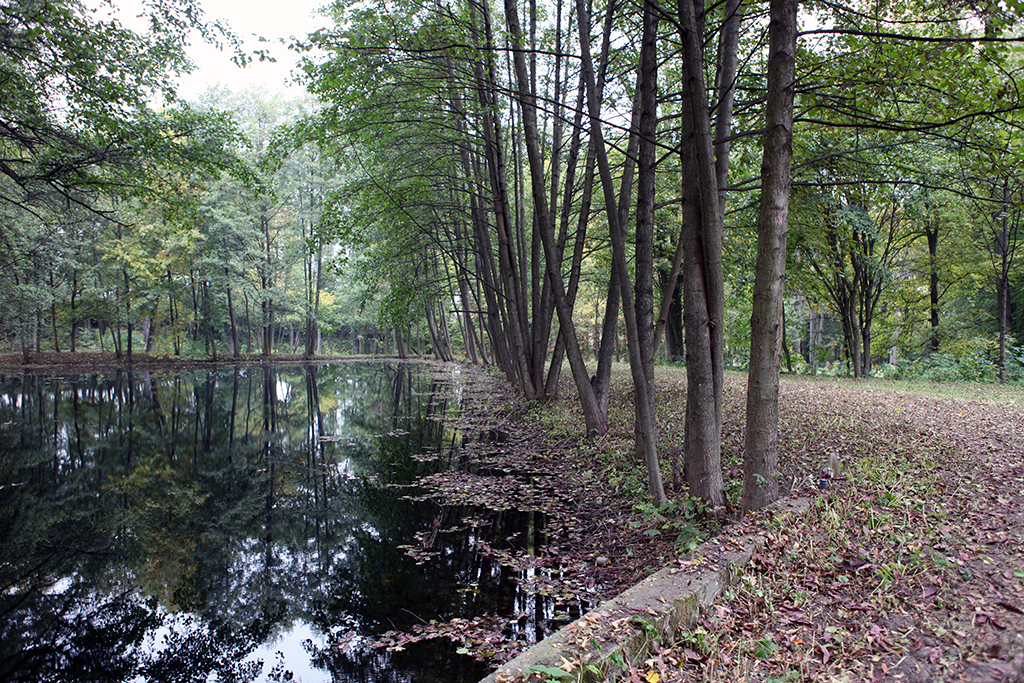
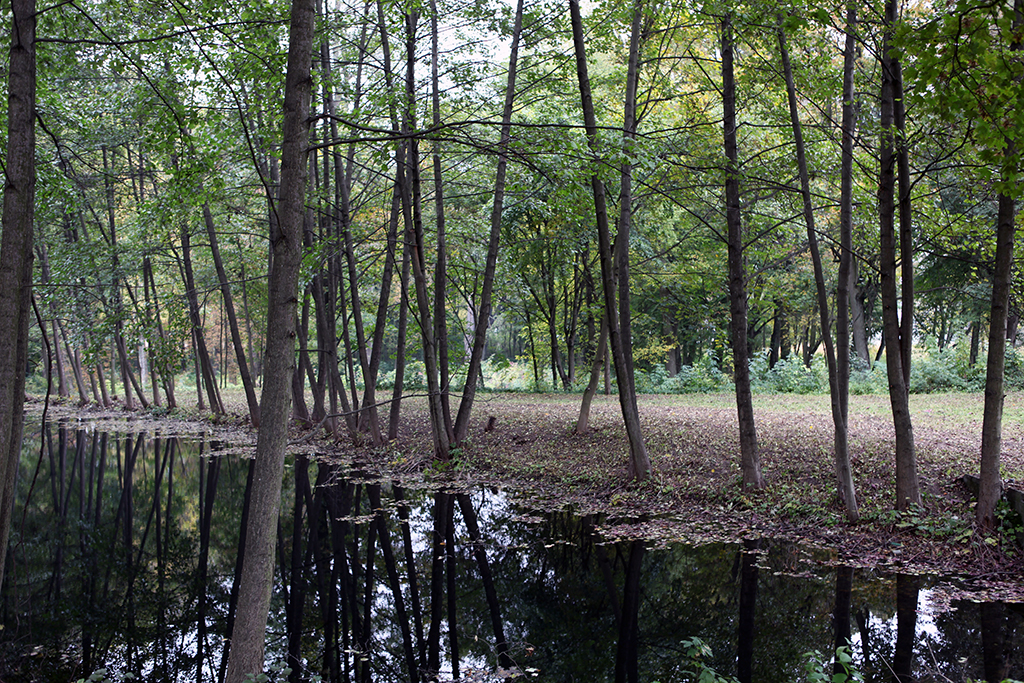
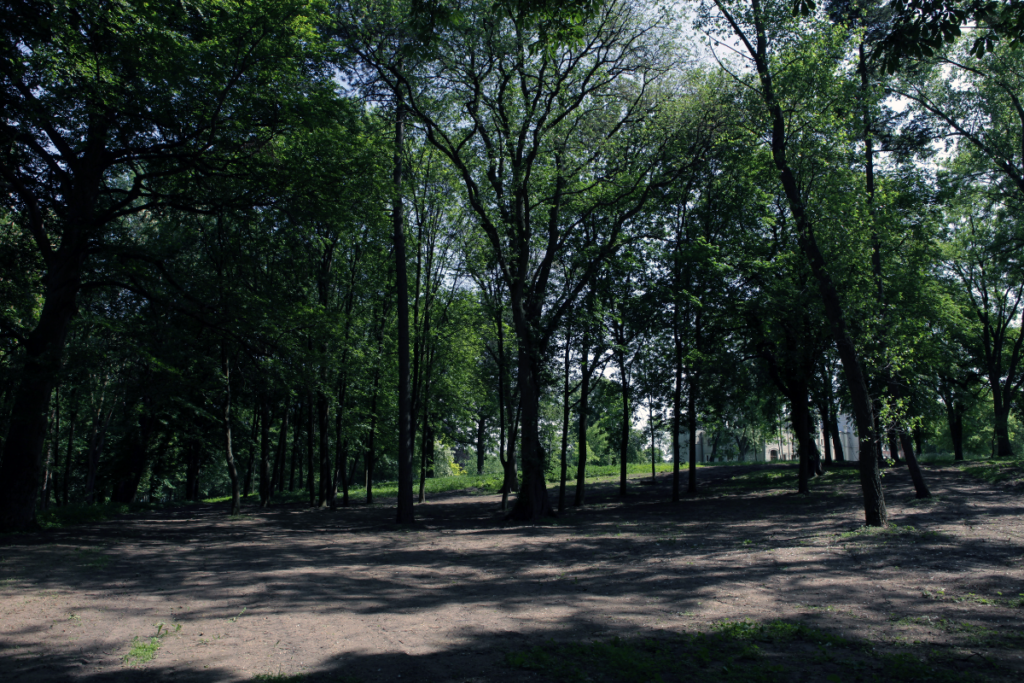
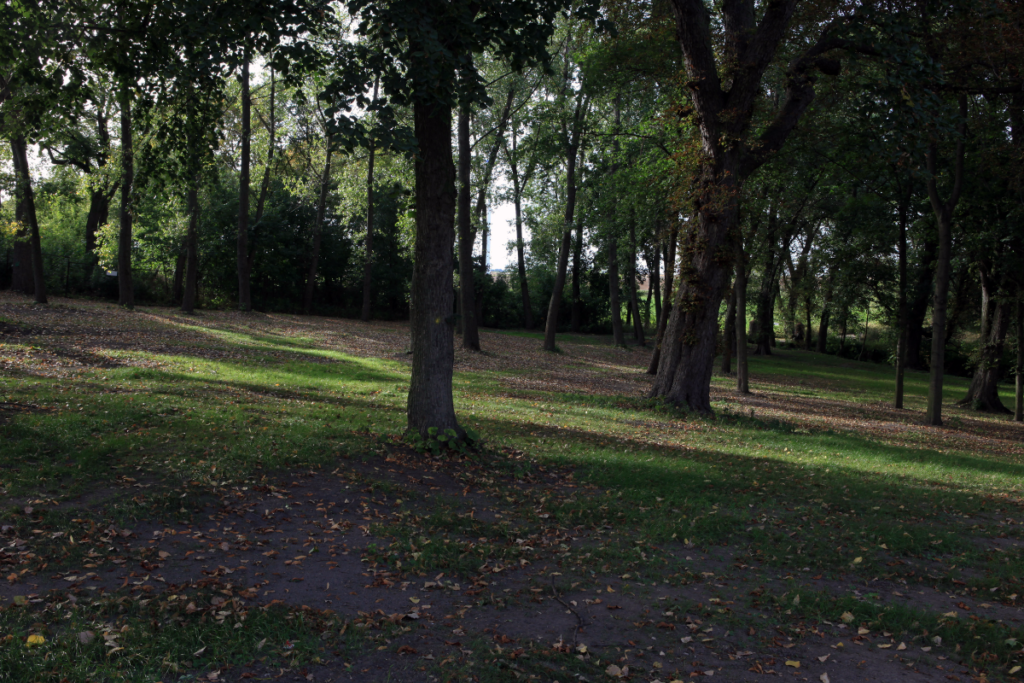
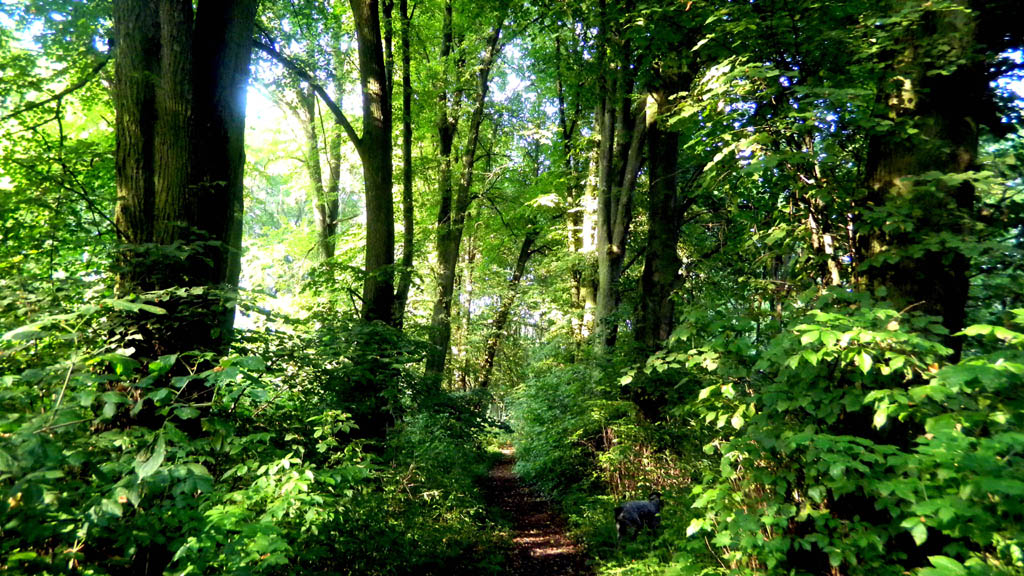
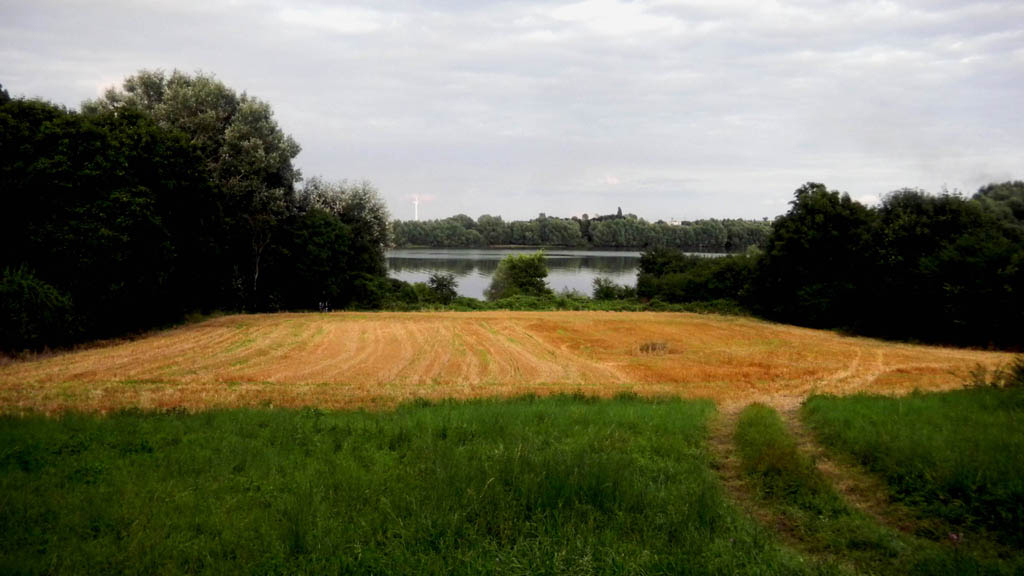
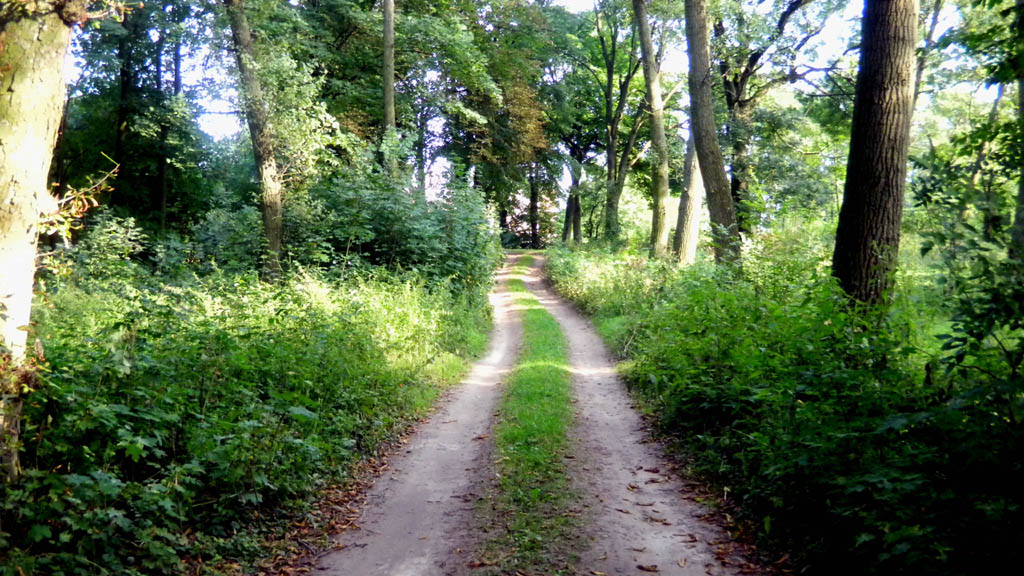
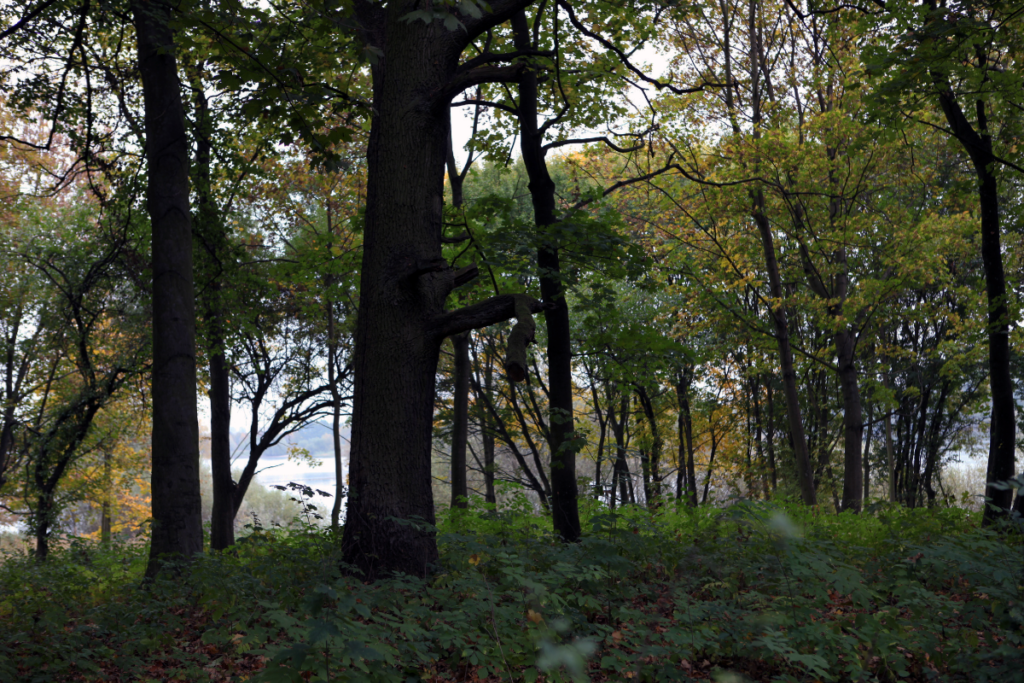
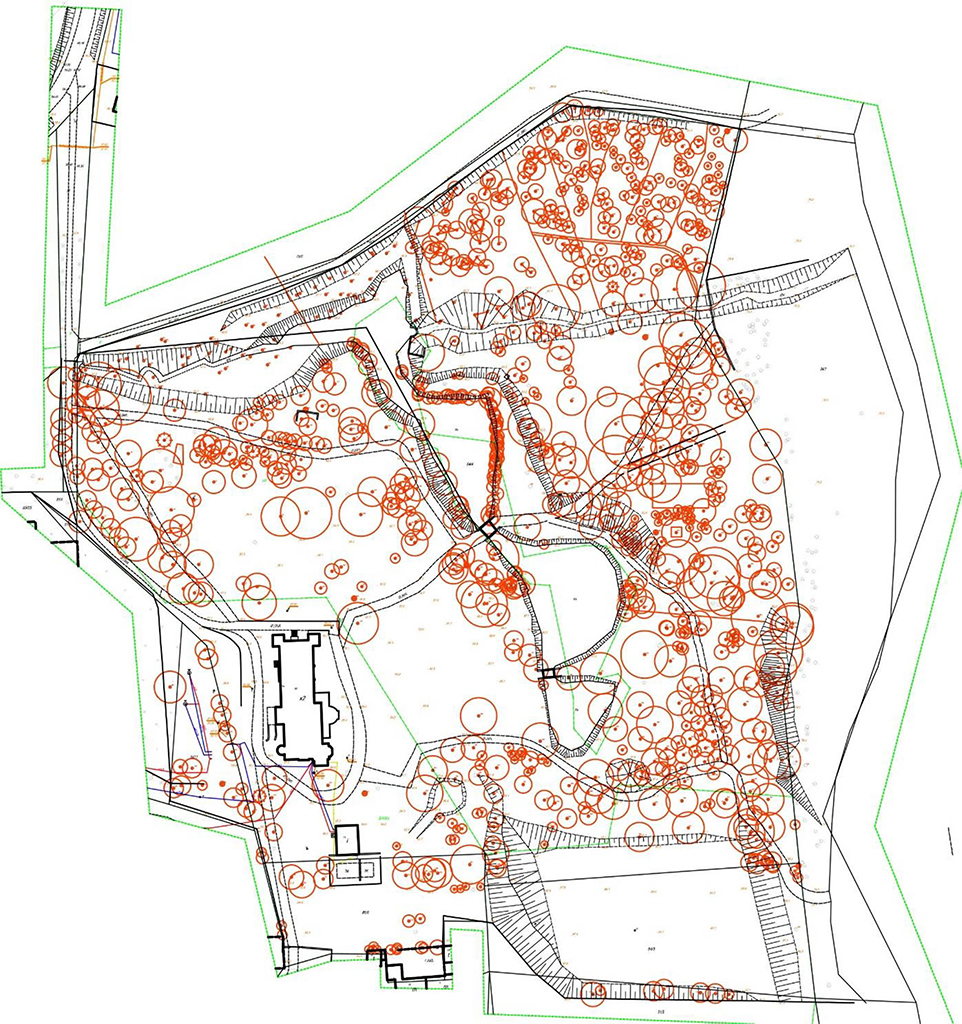
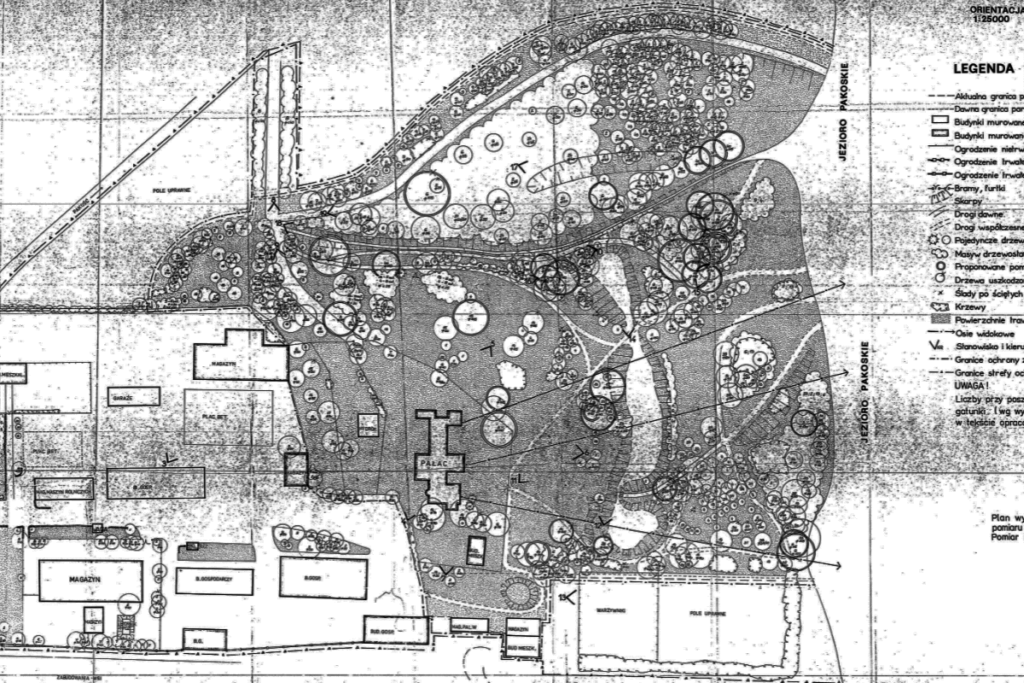
In 2011, the 7.8 ha property changed owners and was subsequently contributed to the assets of the Jankowo Park company. The first step was to begin clearing and restoration work in the park. In parallel, geodetic measurements were carried out and detailed maps were prepared, organizing knowledge of the site’s terrain and enabling an inventory of the most important elements of the park layout. In 2018–2019, the area was partially tidied up and inventoried: measures were taken to save the tree stand, park paths were locally restored, ponds were cleaned, deadwood and fallen trees were removed, and grass was sown in the meadows. The condition of the park from that period is shown in the photographs in this gallery.
Due to the costs already incurred and the lack of further funds, in the following years the park was no longer maintained with the same regularity and scale. The work became sporadic — including local clean-up and periodic mowing of the meadows — but without ongoing, systematic care, nature gradually reclaimed the area. As a result, the park is now once again largely overgrown and requires comprehensive works: removing self-seeded vegetation and deadwood, restoring the continuity of park paths and routes, and returning to planned maintenance of the mature tree stand (including crown management and the removal of dead branches). The surroundings of the three ponds also require cleaning and reorganization.
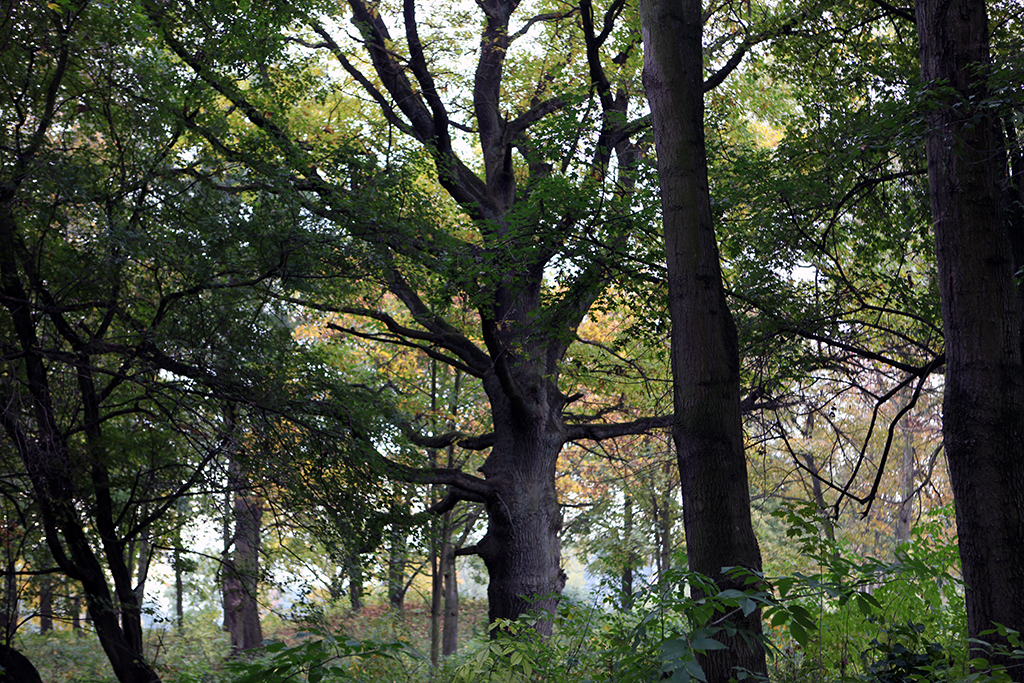
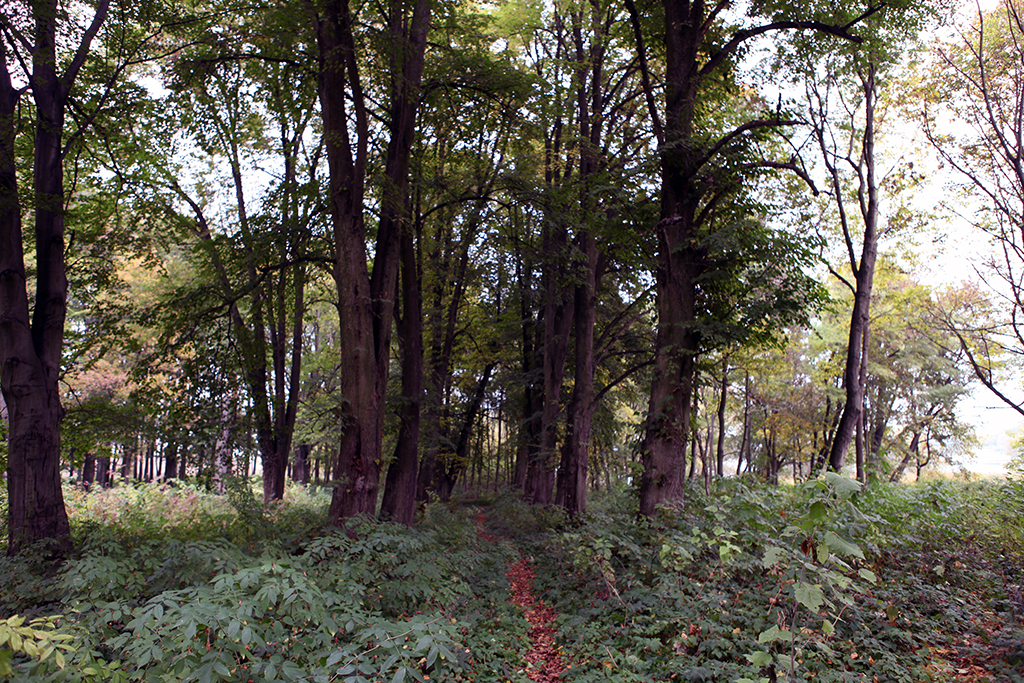
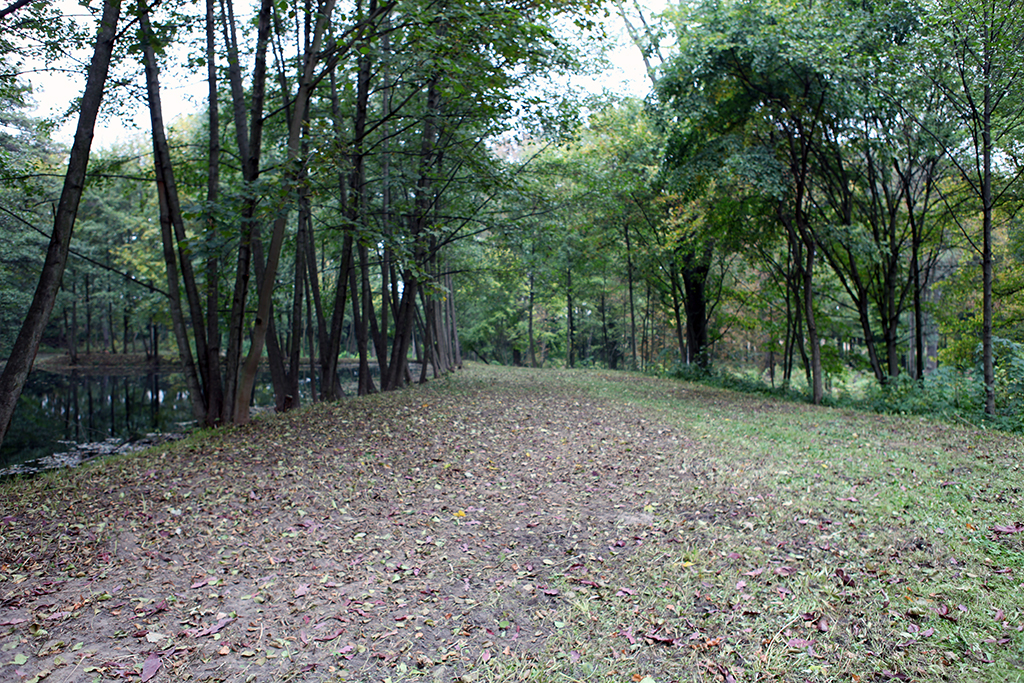
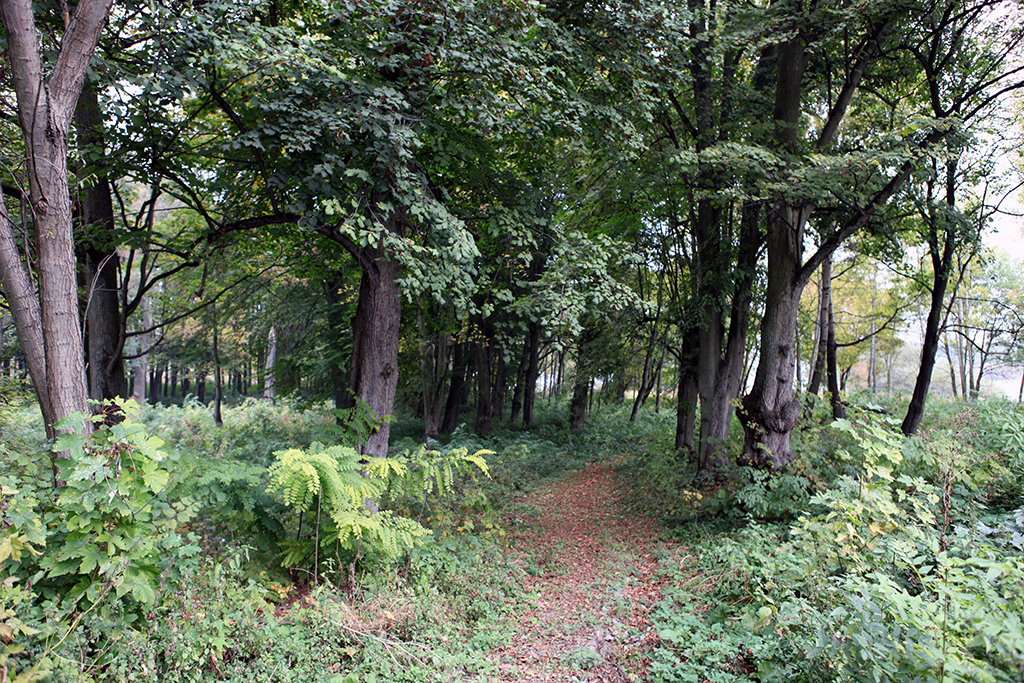
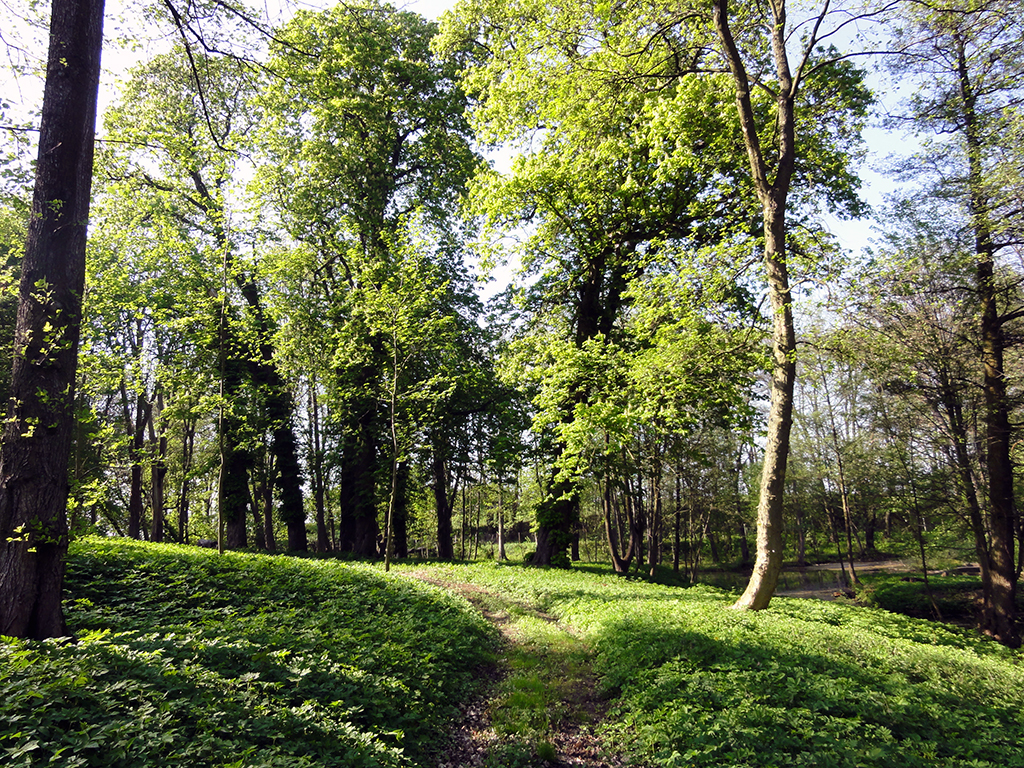
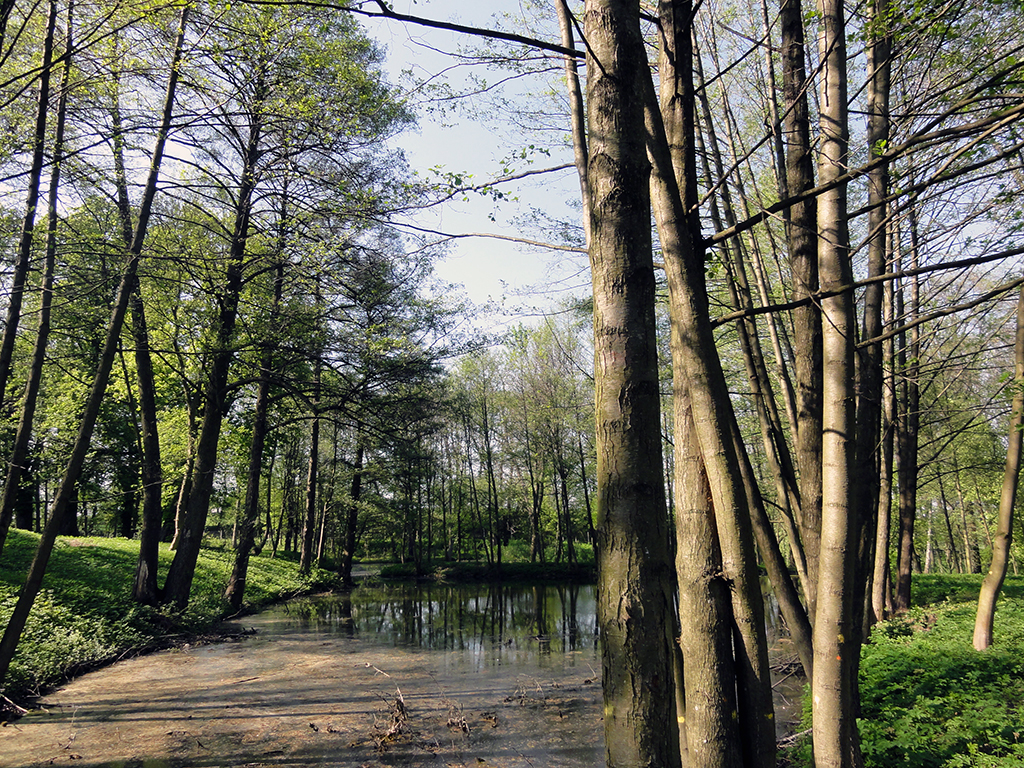
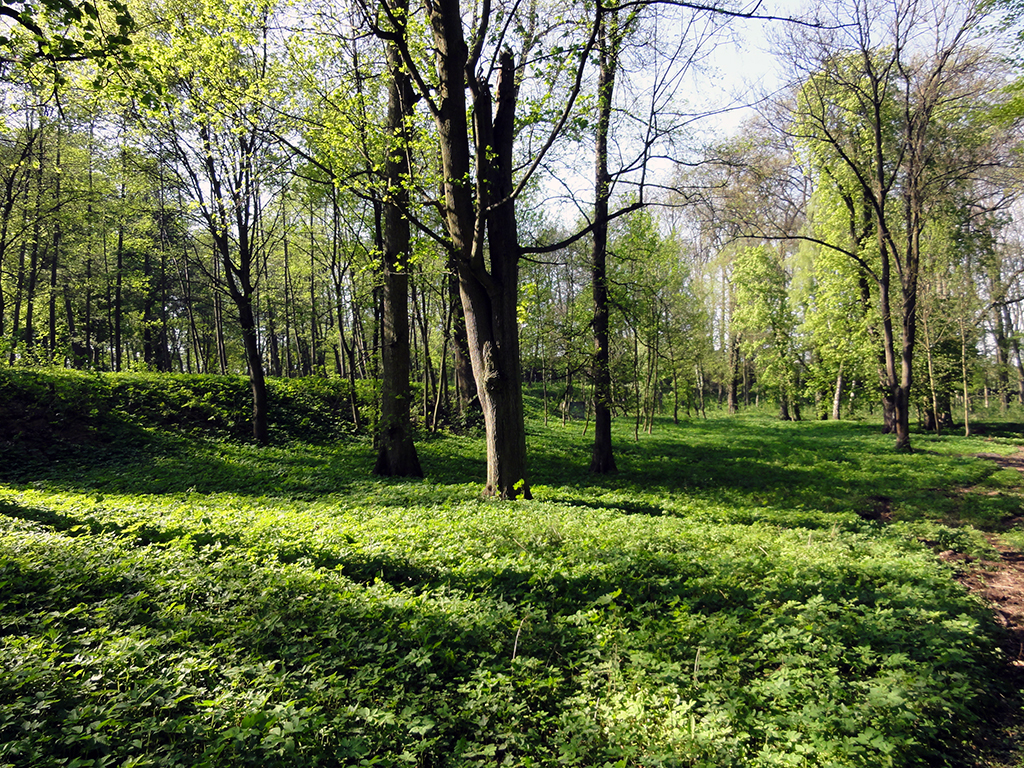
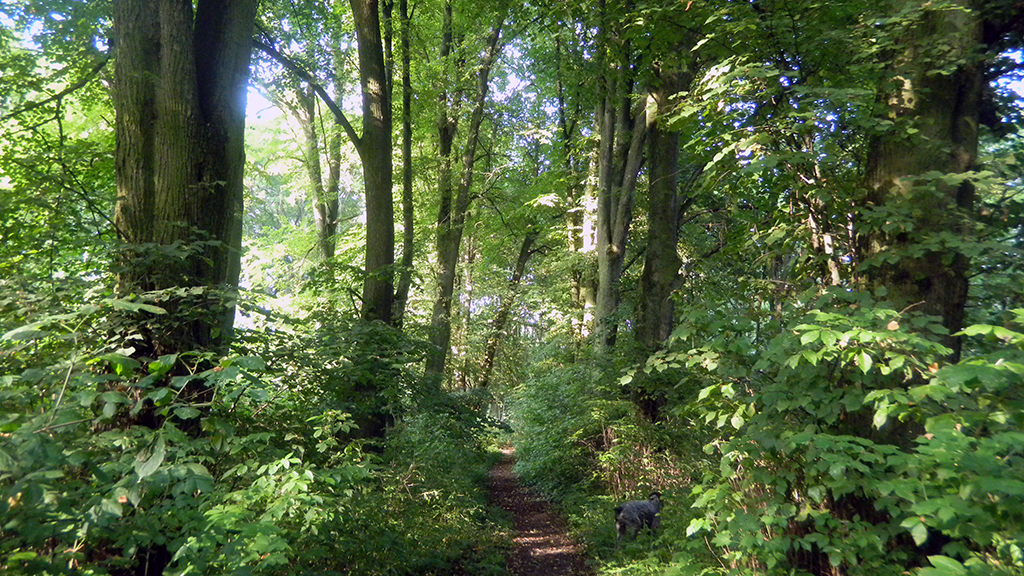
Conservation guidelines for historic park layouts focus on preserving the legibility of the composition and views, as well as protecting mature tree stands. In practice, this includes, among other measures, restoring historic axes and avenues, limiting uncontrolled self-seeding growth, caring for and safeguarding the most valuable trees, and maintaining water bodies in a condition that ensures their durability and their landscape function.
The revitalisation of the park, the restoration of its composition, and the provision of proper care for the most valuable trees and elements of the layout are among the key directions of action that the future purchaser of the property should take into account in their plans.
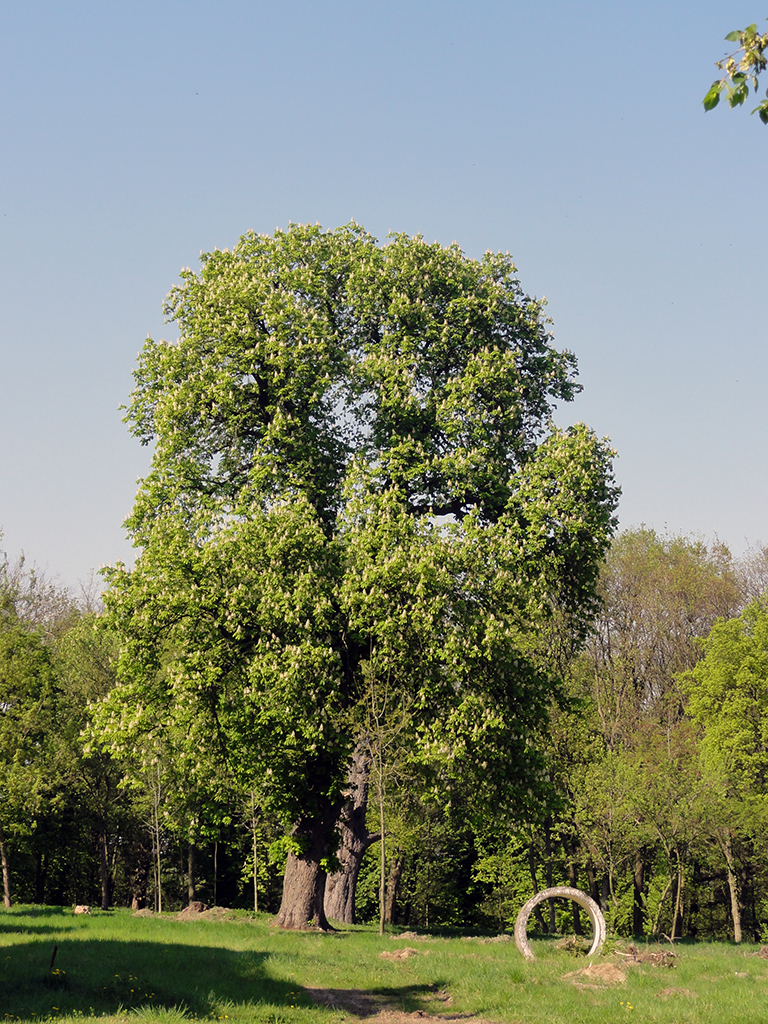
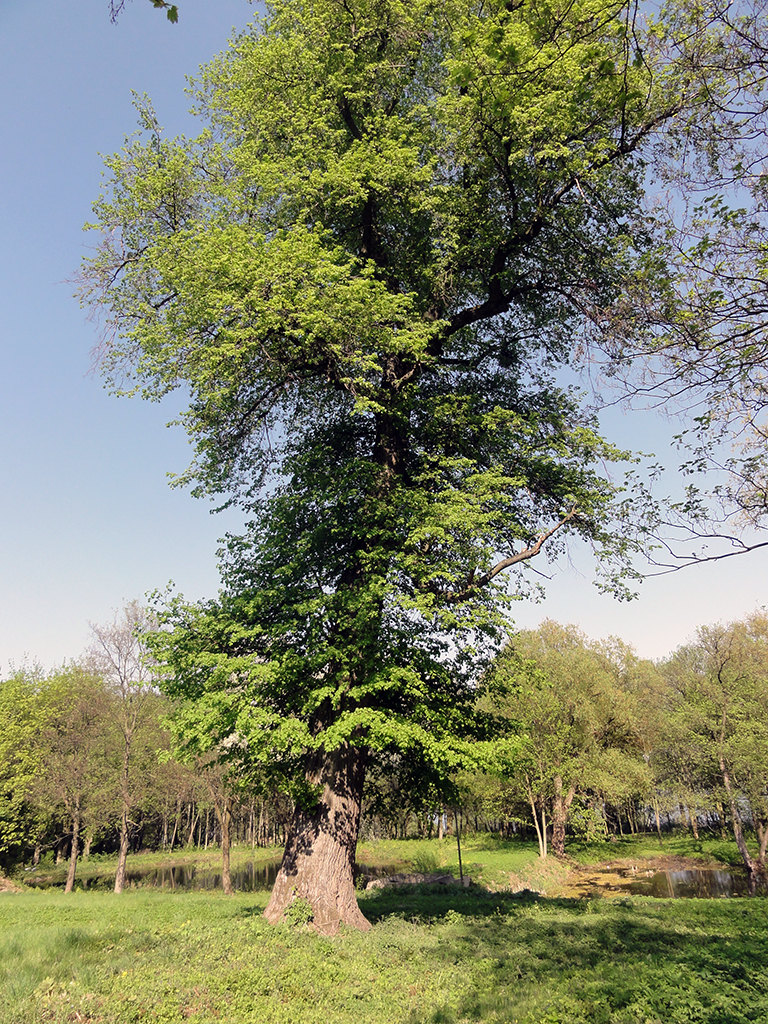
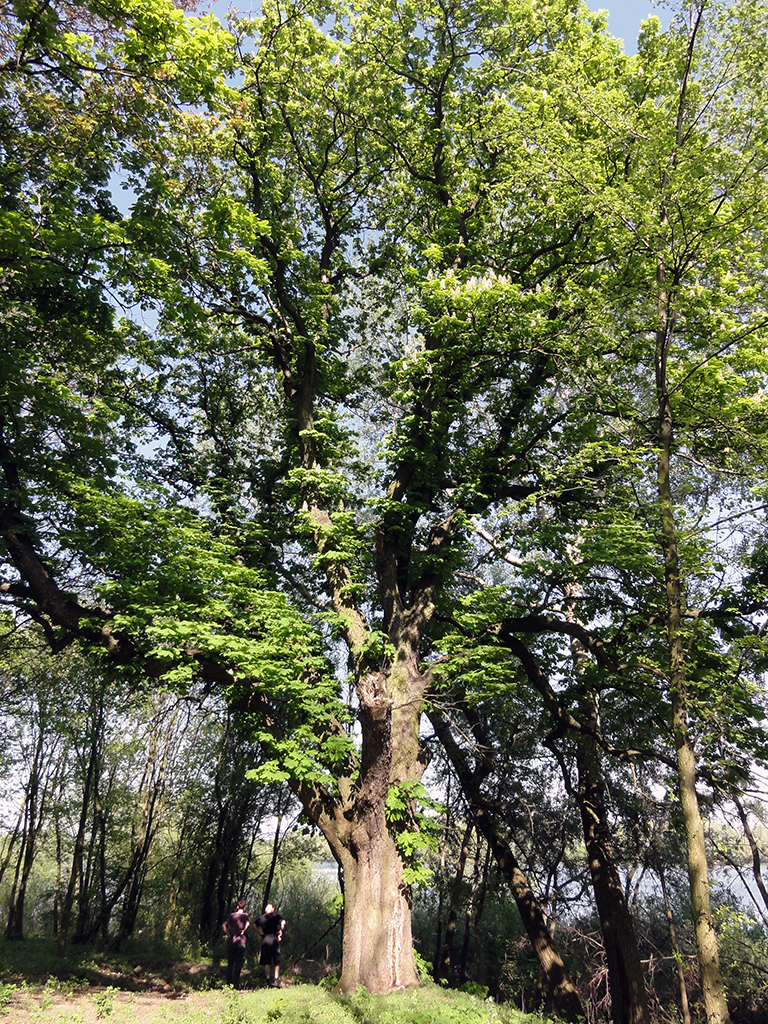
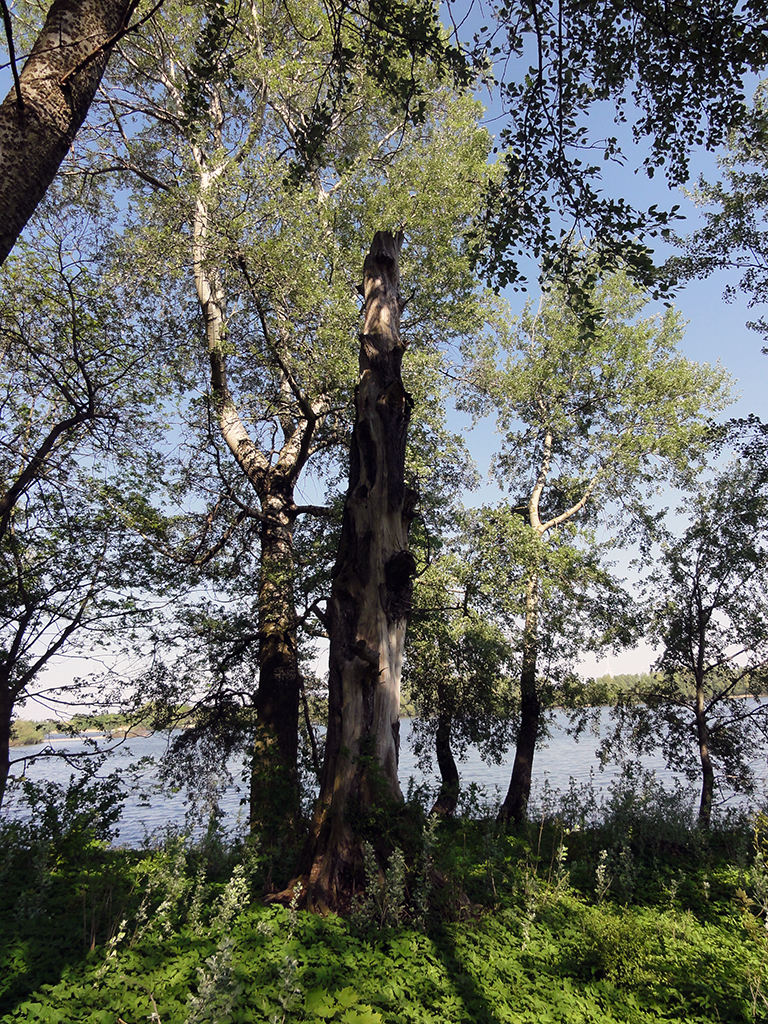
The picturesque park extending across the undulating terrain surrounding the palace is one of the greatest attractions of the Jankowo estate. Established in the early 19th century in the English landscape style, it blends harmoniously with the scenery of Jezioro Pakoskie and the neighbouring residence.
In its heyday, the park was a favourite place of relaxation for the owners and their guests. Gently sloping hillsides, expansive lawns, and sparse, carefully composed tree plantings—together with ponds linked by small bridges and weeping willows—created a space of exceptional charm and a “natural” character so typical of English landscape parks.
JANKOWO
Traces of the Past
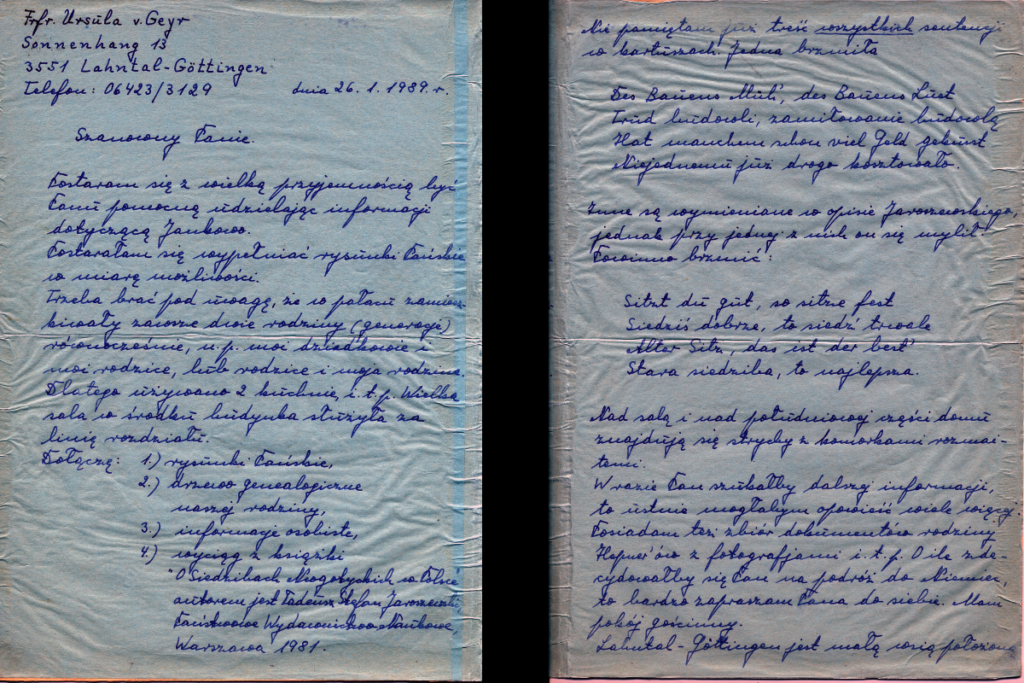
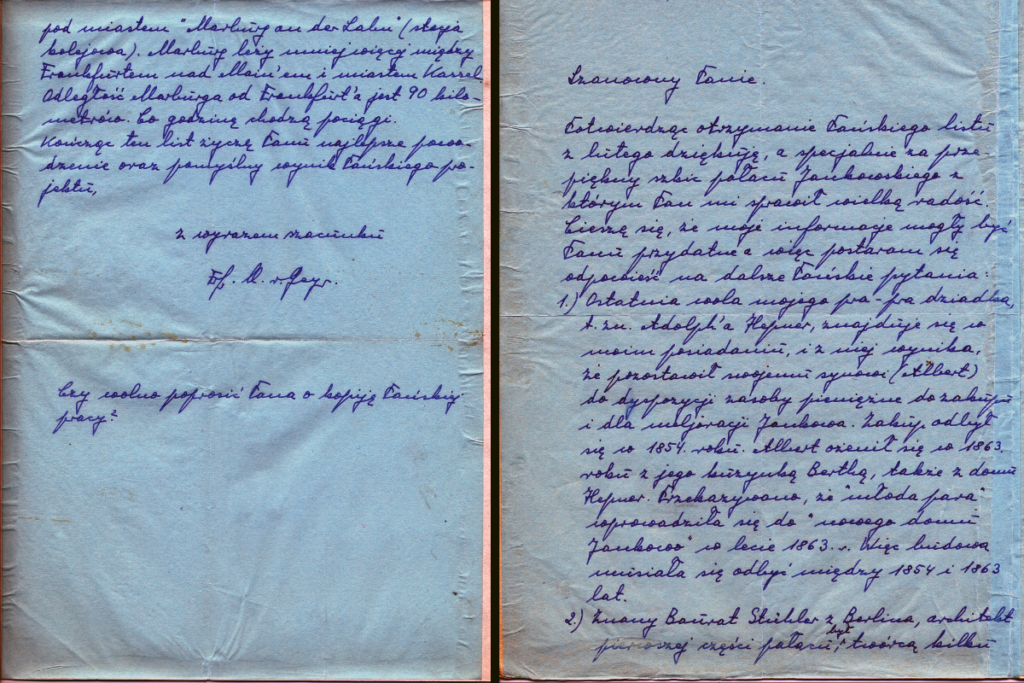
The history of Jankowo has been preserved not only in the walls of the palace and the layout of the park, but also in documents, photographs, and objects—small testimonies of everyday life and tangible traces of past events. In this section, we present selected materials: correspondence (including letters by Baroness von Geyr), memorabilia and archival records, as well as information about the island on Jezioro Pakoskie and archaeological discoveries connected with the former stronghold.
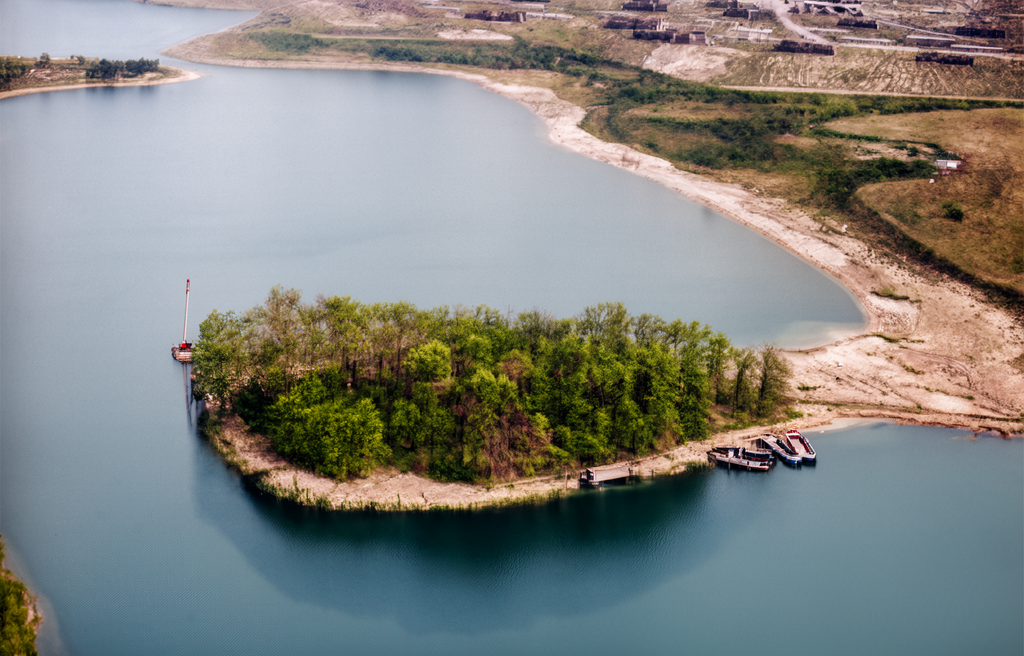
Before the Neo-Gothic palace appeared in Jankowo, before the names of villages and roads became established, and even before the medieval centres of power in Kuyavia took shape, the island on Jezioro Pakoskie was home to a settlement site with a very long history. Research indicates traces of habitation already from the Late Neolithic (c. 2500–1700 BC), followed by a clear flourishing in the Iron Age: during the Hallstatt C and D periods (7th–5th century BC), associated with the Lusatian culture sphere.
This is important because it allows us to view Jankowo not as an “isolated curiosity”, but as part of a larger puzzle. A major factor in the growing interest in the Jankowo stronghold site was the interwar discovery of the settlement at Biskupin—located about 40 km from Jankowo (other accounts also cite approximately 30 km). Already at that time, Jankowo began to appear in specialist literature, in studies concerning both Lusatian strongholds and early medieval sites.
The second “act” in the history of Jankowo—and of the island on Jezioro Pakoskie, inseparably linked with it—belongs to the early Middle Ages. This chapter is more elusive: traces from this phase are more modest, less legible, and harder to capture than those from prehistory. Scholarly studies present different chronological approaches: alongside indications of the early Middle Ages (7th–8th century AD), there is also a cautious dating to the turn of the 10th and 11th centuries. Researchers note that some layers may have been disturbed or destroyed both by later earthworks and by hydrological changes (after the water was dammed, the lake level was raised by about 4 metres, flooding part of the island). It is easy to imagine the island as a place well suited for defence: separated by water, yet connected to the mainland by a crossing—a causeway or a bridge—leading to a settlement hidden behind fortifications. And in a broader view, Jankowo lies in the heart of a landscape associated with early Piast heritage, today presented to visitors through the Piast Route (Szlak Piastowski)—with Kruszwica, Pakość, and nearby sites of the region providing a natural backdrop for medieval stories linked to lakes, strongholds, and historic crossings.
The existence of a stronghold site on the island was known locally as early as the 19th century, and the first mentions also found their way into German-language scholarly publications from the end of that century. In the 1880s—on the occasion of earthworks—the first “enthusiast researchers” appeared, associated with the estate’s management, who began to document what the ground was revealing.
Accounts and later research reveal an image of a site that was deliberately designed. At the centre of the island there was an elevation surrounded by a rampart, and within the rampart’s cross-section observers noted layers with distinct traces of burning. Along the periphery, bierwiona—thick timber logs—were encountered, and near the shoreline structures were recorded that were interpreted as a form of fortification protecting the waterfront. During periods of low water levels, fragments of the former defences can be seen beneath the lake’s surface, bringing to mind solutions known from Biskupin.
The first professional attempts to establish the site’s chronology were undertaken in 1960 during research carried out by the Excavation Expedition of the State Archaeological Museum in Warsaw. Further reconnaissance work took place six years later, and comprehensive excavations were conducted on the island in 1969–1972 by the Department of Archaeology of Greater Poland and Pomerania of the Institute of the History of Material Culture of the Polish Academy of Sciences. It was emphasised that the site had already been disturbed earlier, yet the work was also accelerated by the prospect that after the water was dammed, a significant part of the island would lie beneath its surface. These were the last investigations on the island, which a few years later was largely flooded as a result of the construction of a dam on Jezioro Pakoskie.
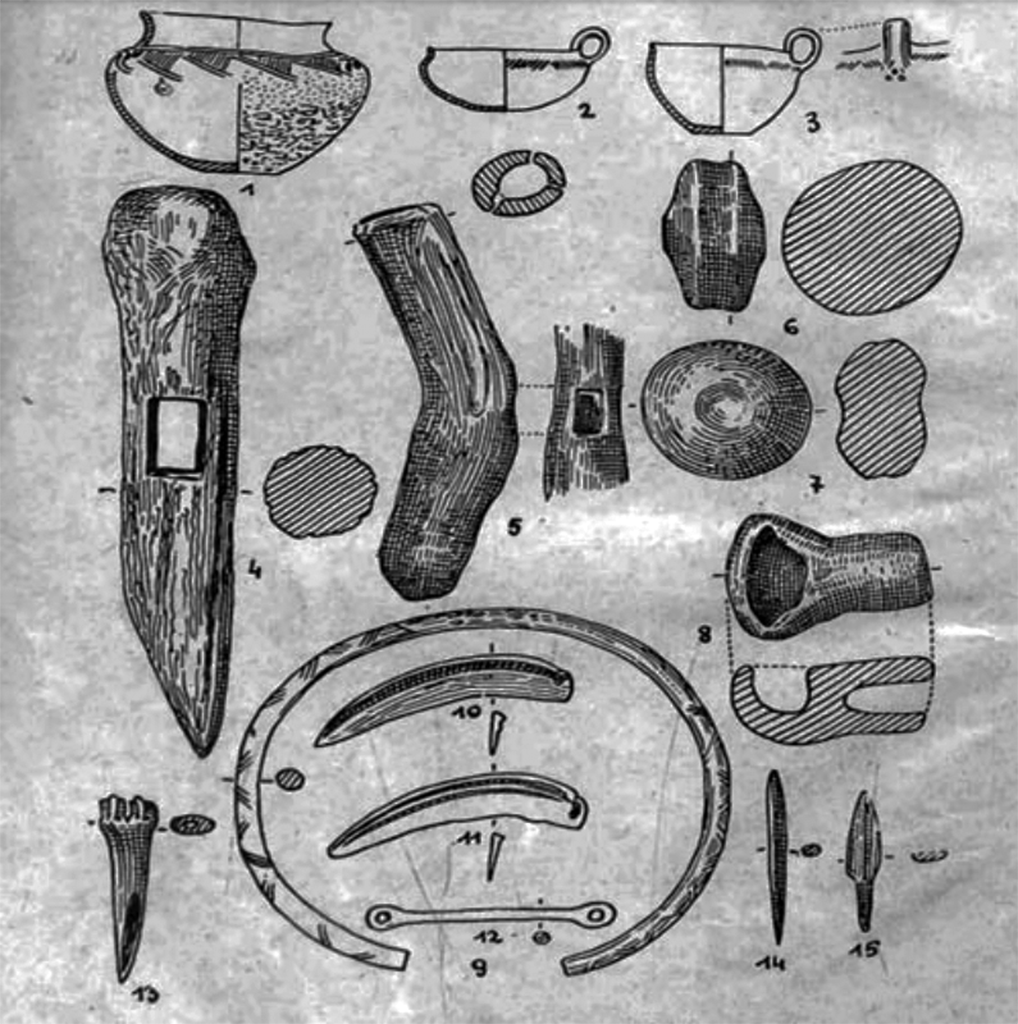
It was these investigations that helped to organise the key findings: the stronghold on the island developed in two phases, and its greatest flourishing fell in the Hallstatt C and D periods (7th–5th century BC), when it was inhabited by the Lusatian culture population, and later in the early Middle Ages. The materials recovered during the research—particularly numerous for the Lusatian phase—were transferred to museum collections, where they are preserved and studied; most often, museums in Poznań and in Biskupin are indicated in this context.
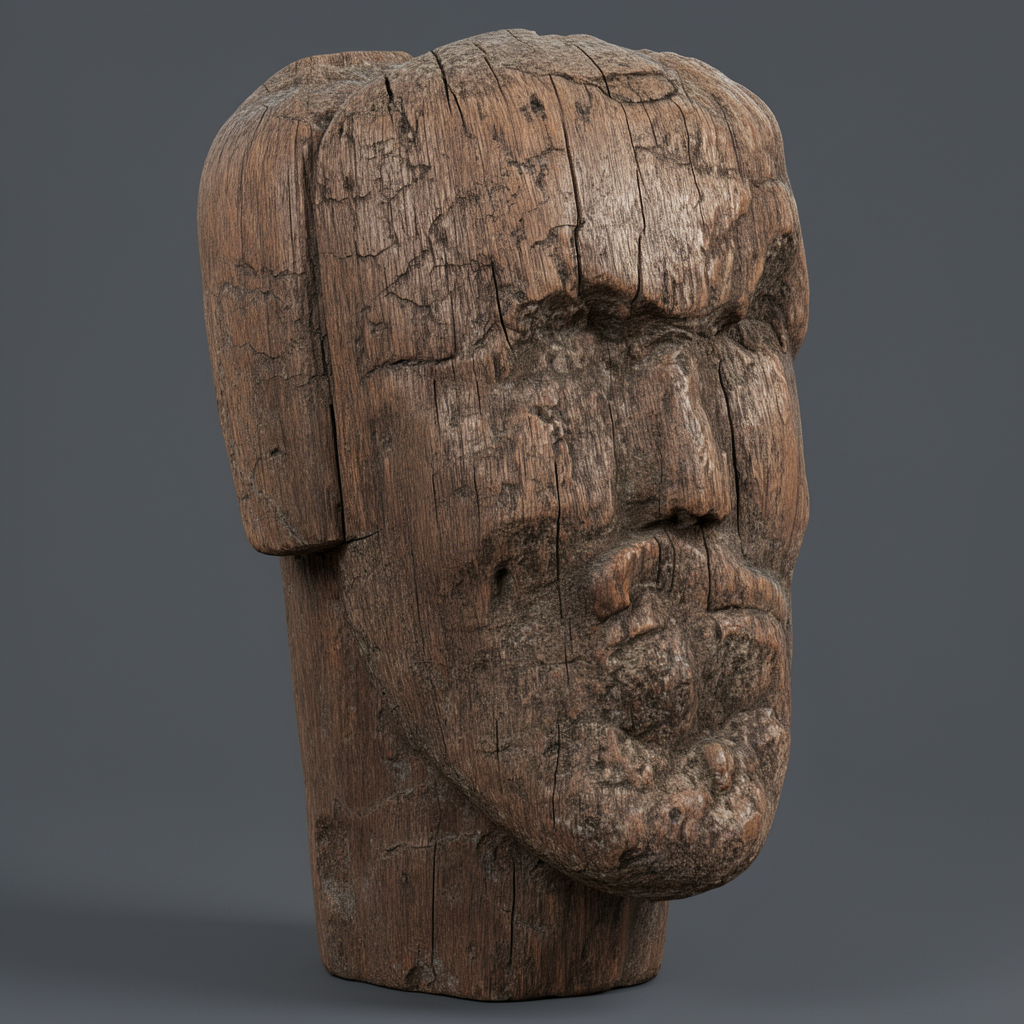
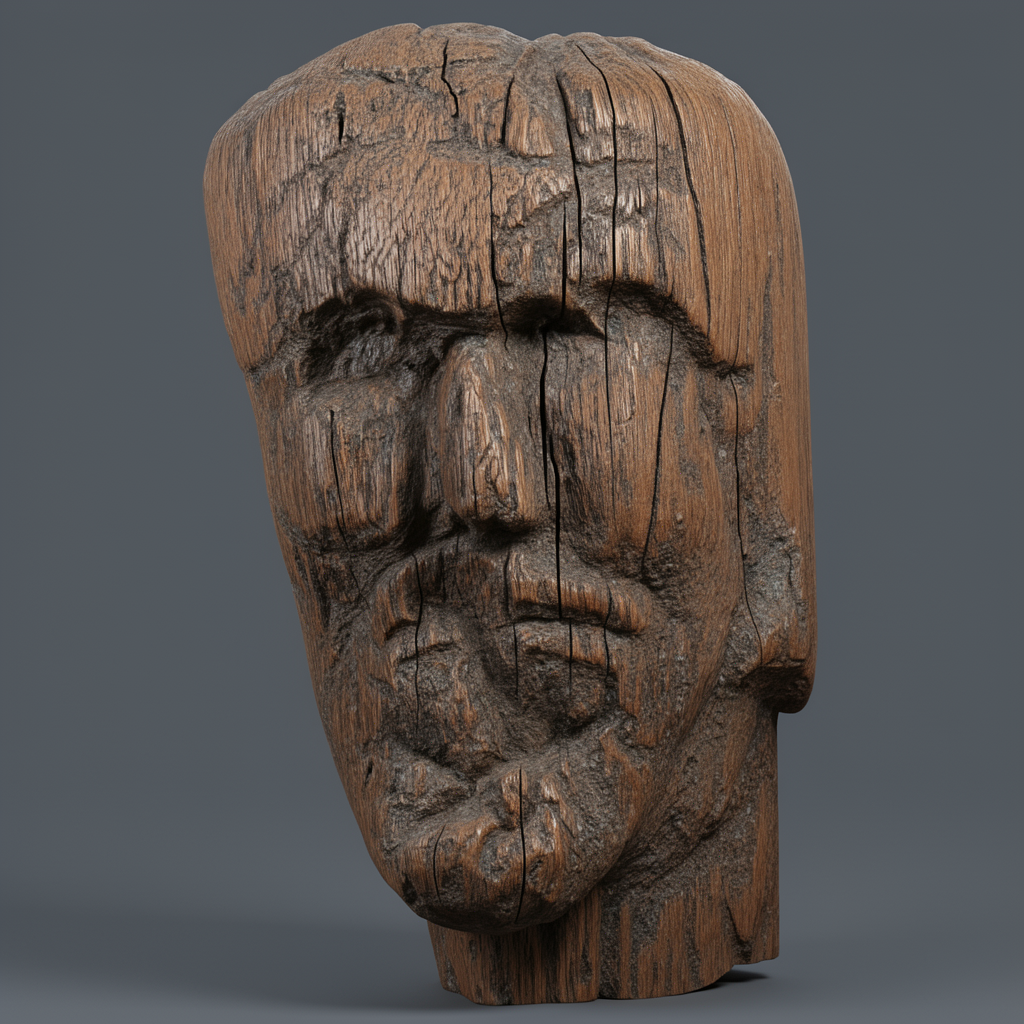
One of the most recognisable artefacts associated with the island remains the so-called “Head from Jankowo”—a human head carved in oak wood, discovered in 1887 during the deepening of a channel by the island’s shore, in the silted lakebed at a depth of 2 metres. The head was about 24 cm high, and at its base there was a quadrangular recess, suggesting that it may have been mounted on a tenon—as part of a larger structure, such as a post or a statue.
Pahlke, the estate manager overseeing the work and an amateur archaeologist, cleaned the find, filled and sealed it, and conserved it with salicylic acid, then described it and sent the documentation to the German historical society in Poznań. As a result, the head ended up in the Archaeological Museum in Poznań, where it was examined by the German historian and archaeologist Kurt Langenheim, who specialised in Viking studies.
Based on his examination, Langenheim advanced a theory that the head had been carved by Vikings (or that its author was a Scandinavian artist), and he set out his conclusions in an article published in 1944, entitled “Der Kopf von Adolfinenhof Kreis Mogilno, eine Wikingische Holzplastik”. This concept was later sometimes linked to nationalist narratives about pre-Germanic settlement in these lands, allegedly displaced by Slavs who arrived later—narratives used during World War II to justify territorial claims.
Langenheim’s concept could not be verified, because the Jankowo sculpture went missing toward the end of World War II. Rumours also emerged that the researcher himself may have taken it from the museum; regardless, photographs and documentation have survived, and these became the basis for other interpretive hypotheses. The Jankowo carving was linked, among others, with the Celts. Janina Rosen-Przeworska associated the head with the Celtic motif of “severed heads” and with traces of a Celtic sanctuary discovered in nearby Janikowo. Christian interpretations also appeared—some researchers believed that the head may have been part of a sculpture of the Crucified Christ.
Today, most historians attribute the sculpture a Slavic origin, while determining its function and date of creation remains the greatest challenge. An interesting concept was proposed by Anna Błażejewska: in her view, the head could have been made at the earliest at the turn of the 10th and 11th centuries, during the Christianisation of the Polish lands, and was formally inspired by Ottonian Christian art, while the object’s intended use was likely non-Christian. Compared with other sculptures from the area, the head stands out for the high level of detail in the facial features and its anthropocentric convention, combined with a more schematic treatment of the sides and back (which has also been linked to older artistic traditions). According to Błażejewska, it is precisely this degree of detail and the manner of carving that point to the influence of Ottonian sculpture.
From this perspective, the regional context is also important. Jankowo is located near Kruszwica, which in the 11th century was among the largest centres of early feudal power, and therefore also among the places where artistic activity developed, inspired, among others, by Ottonian art. It is possible that the Jankowo carver was familiar with such solutions, observed them, or drew on similar models; it also happened that missionaries brought artists into newly Christianised areas.
Despite clear references to Christian art, in Błażejewska’s view the sculpture depicts a pagan deity. This may be indicated, for example, by the place where it was found: the lakebed, into which the head was probably thrown. It is difficult to assume that during the period of Christianisation a sculpture of Christ would have been treated in this way; at the same time, we know of no sacred monument in the immediate area with which it could be directly associated.
The question remains why an artist might have reached for new means of expression to depict an older form of worship. Perhaps he was aware that only in this way could traditional beliefs be set against the advancing Christianisation. On the basis of stylistic comparisons with other Ottonian works, it has been suggested that the head may have been created around the 1030s, that is, during the pagan reaction in these lands. In this interpretation, the sculpture may have been destroyed during conflicts, and its being thrown into the lake would have signified its profanation. According to this concept, it certainly was not created later than the end of the 11th century, when the Jankowo stronghold declined and settlement on the island disappeared.
JANKOWO
Location of Jankowo
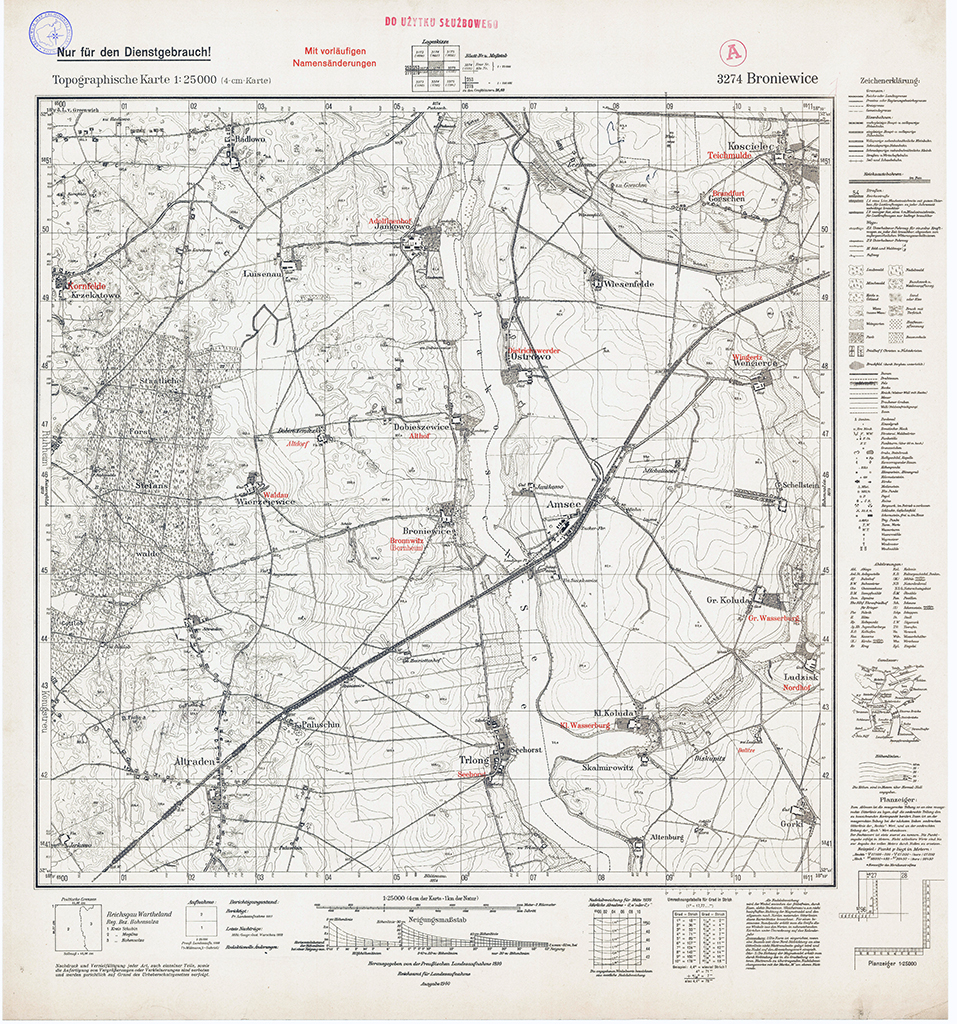
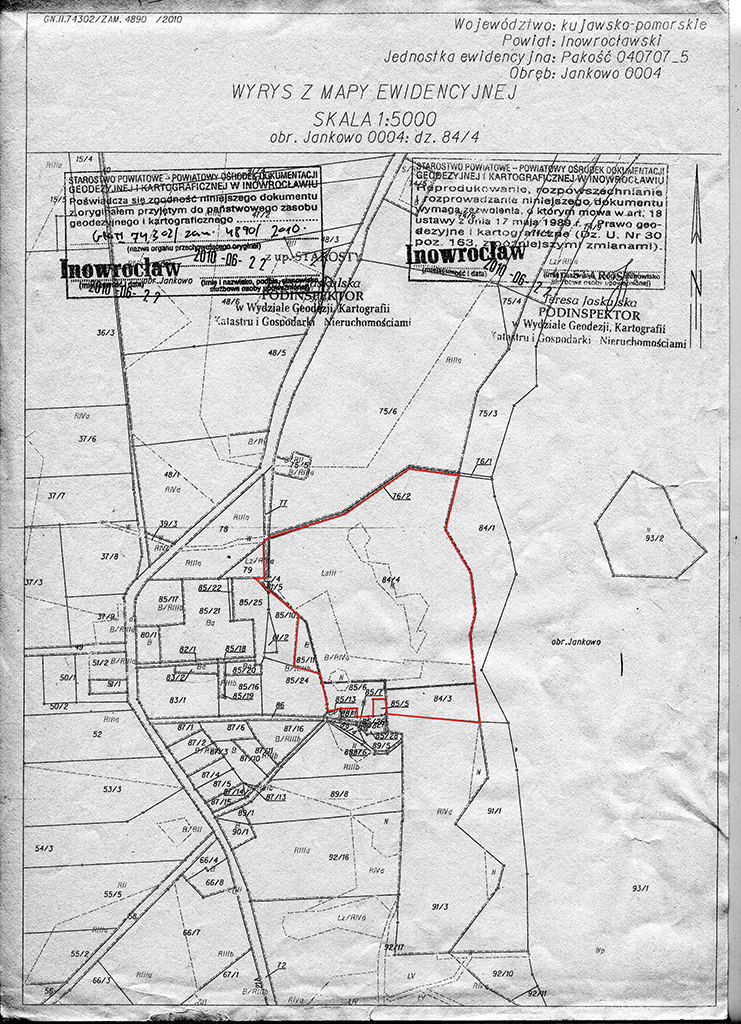
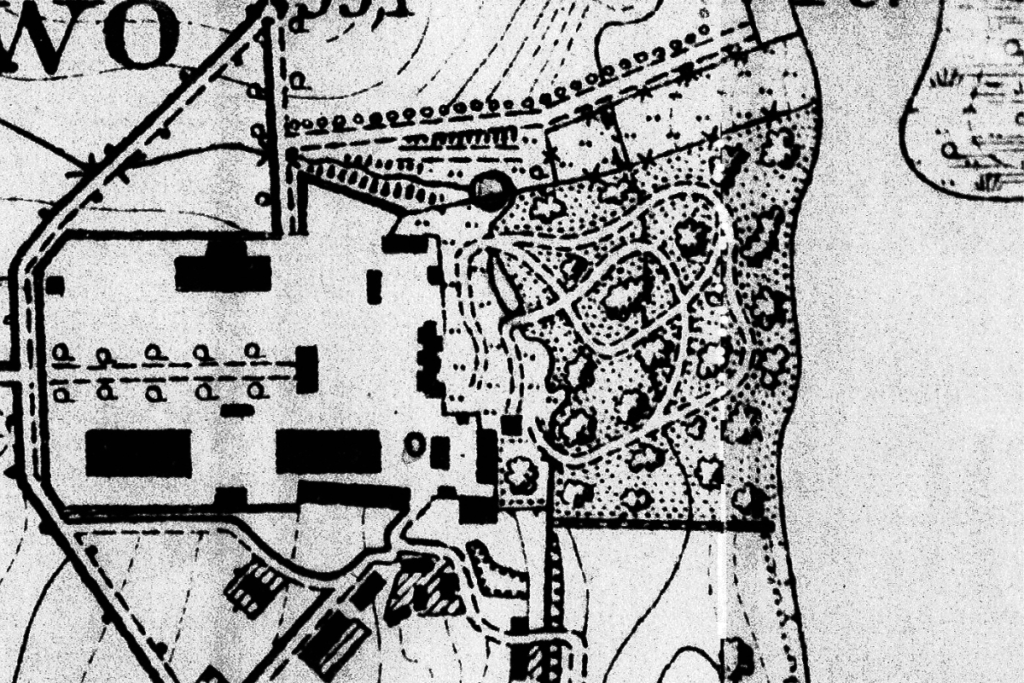
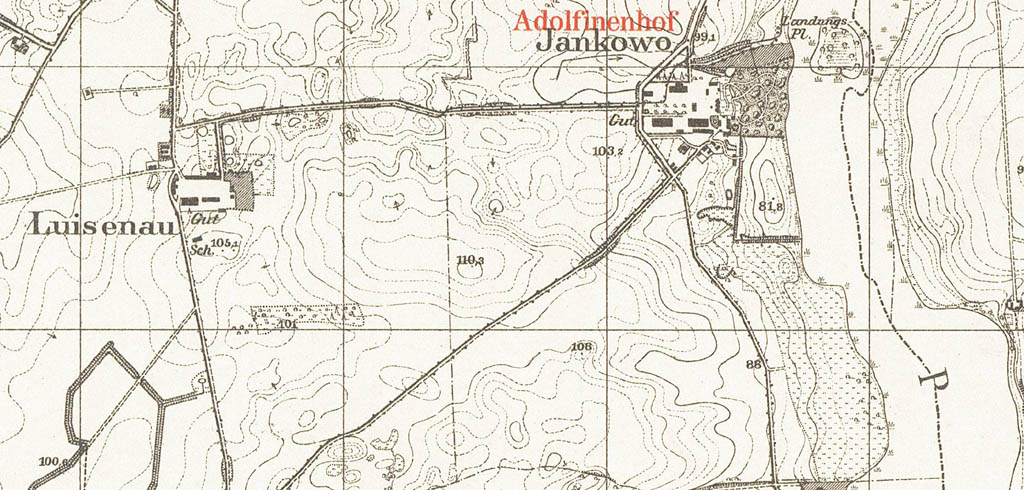
The palace-and-park complex in Jankowo is located in the Kuyavian-Pomeranian Voivodeship, on the western shore of Jezioro Pakoskie, on a slight rise in the terrain. The location is well connected: it lies about 15 km from Inowrocław, and within a radius of 50–90 km are, among others, Toruń, Bydgoszcz, Włocławek, Konin, and Poznań. The lake landscape, the long shoreline, and the palace park create conditions conducive to recreation and longer stays, while the historical maps in this section of the website make it possible to see how this arrangement of water, roads, and settlements has shaped the area over the centuries.
At the same time, Jankowo has a deep historical background: traces of settlement reach back to the Late Neolithic, and the area was an important centre of the Lusatian culture in the Hallstatt C and D periods (7th–5th century BC). Another significant site of comparable importance for the story of the region’s prehistory lies about 30 km away—in Biskupin. In the centuries that followed, the island on Jezioro Pakoskie gained a “second act”: in the early Middle Ages (7th–8th century AD) there was a fortified stronghold here, along with a crossing (a bridge or a causeway) connecting it to the mainland, set within the context of early Piast routes, which today are presented to visitors through the Piast Route (Szlak Piastowski).
JANKOWO
Palace Interiors and Arrangement Potential
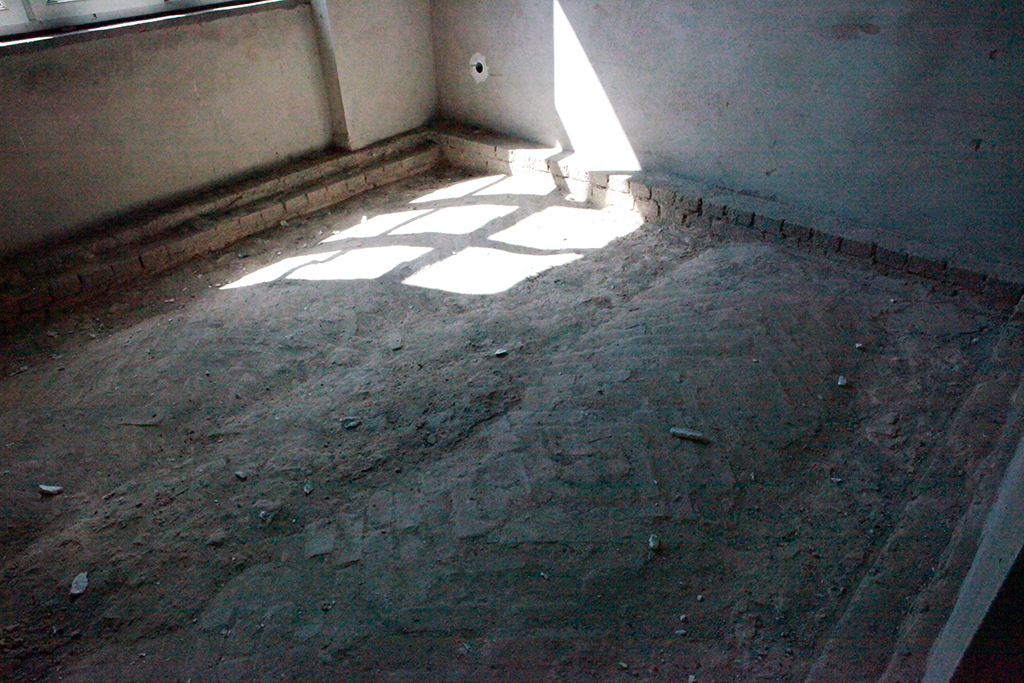
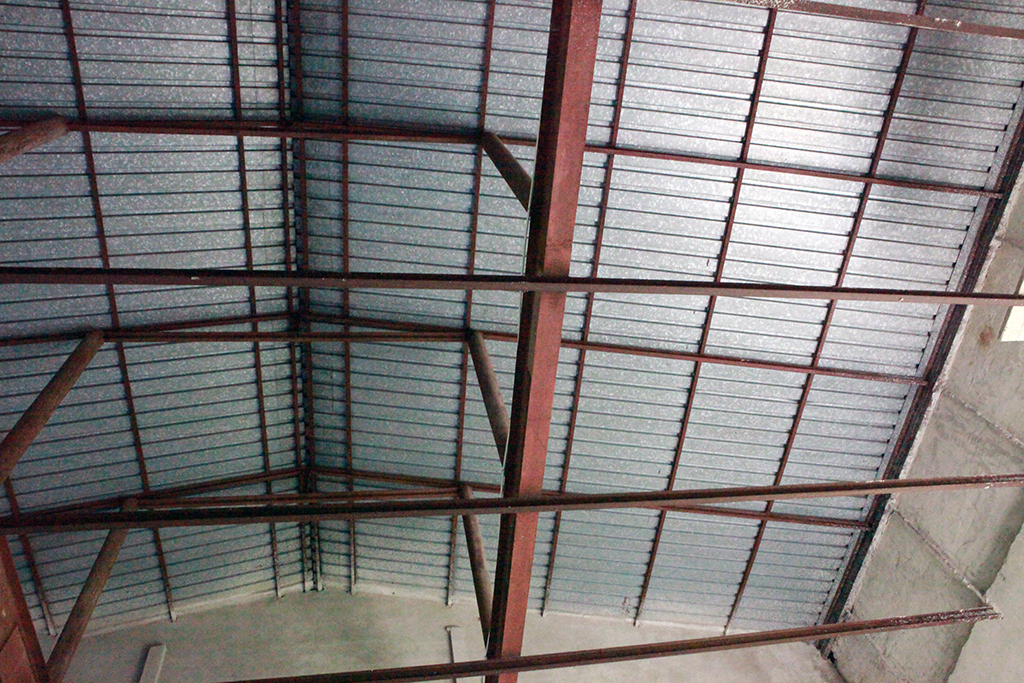
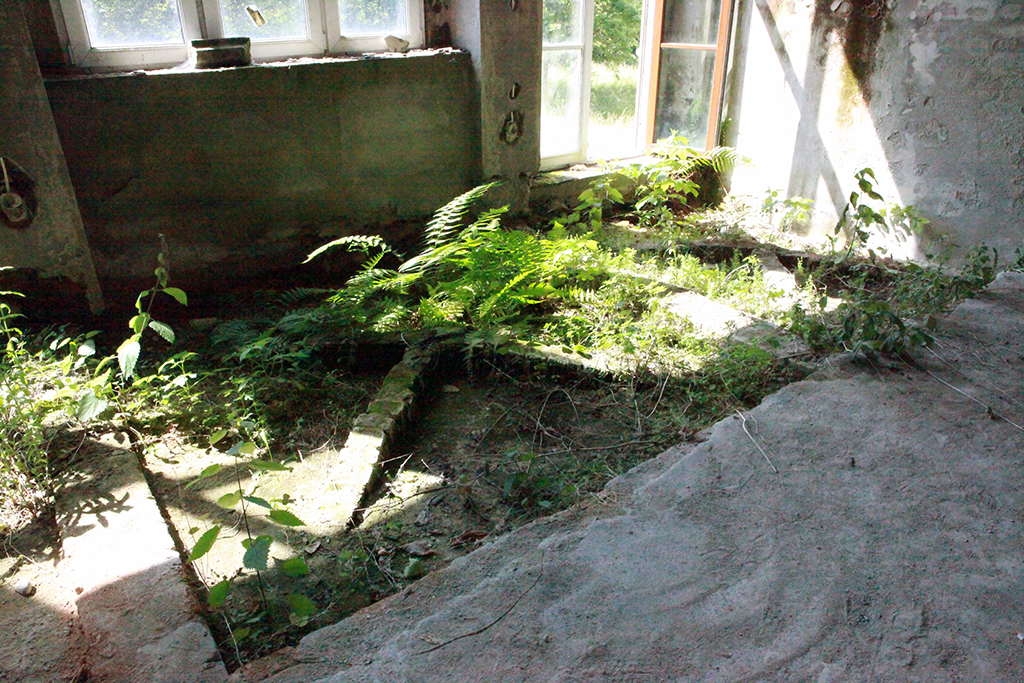
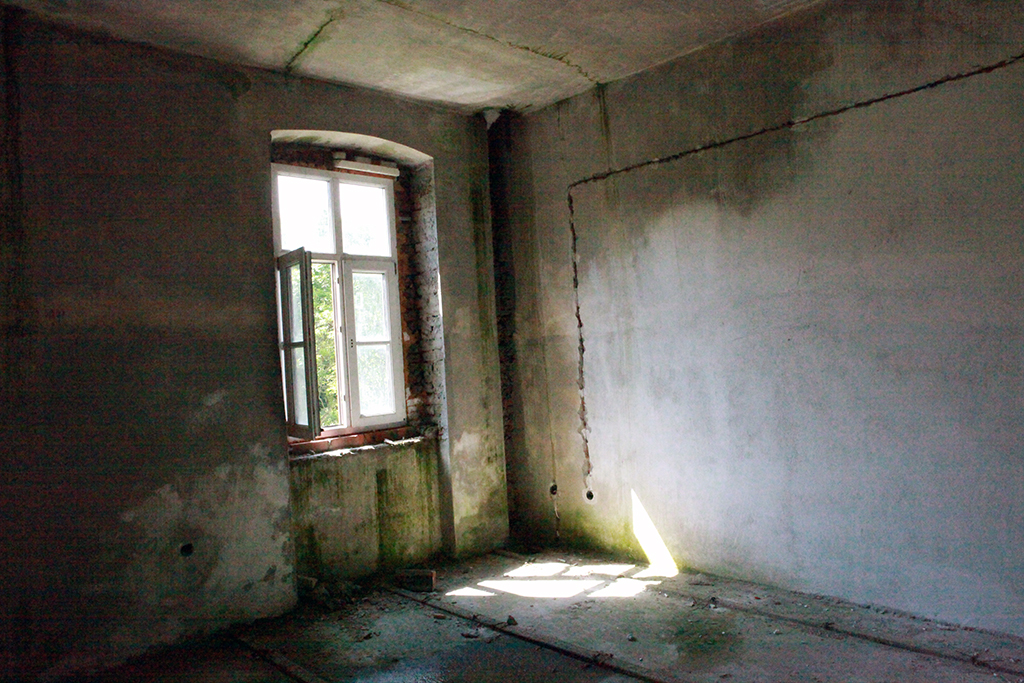
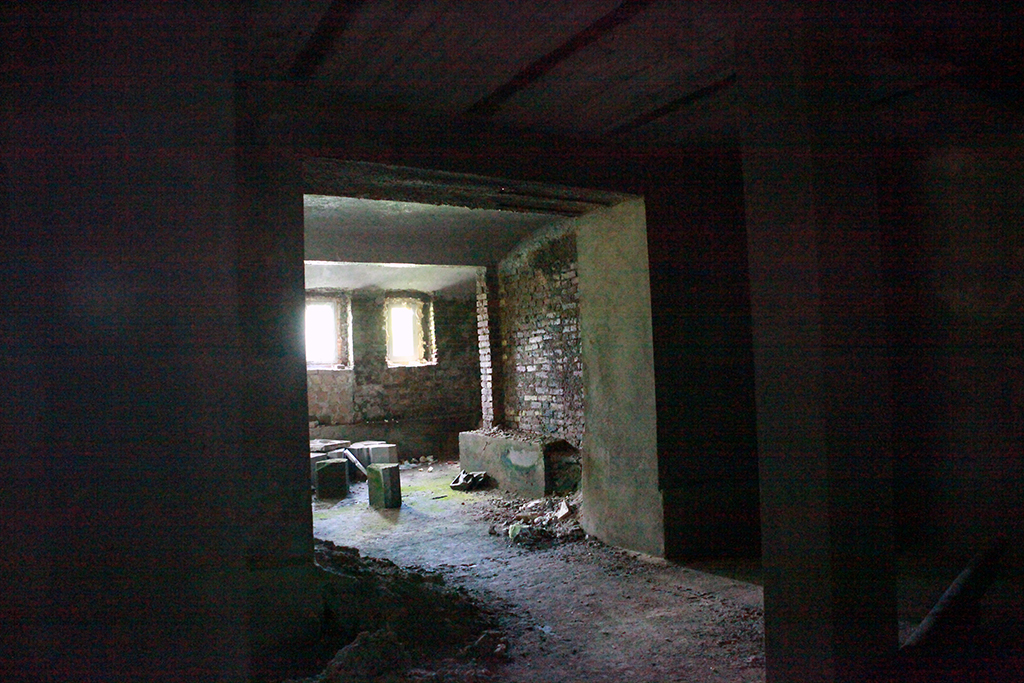
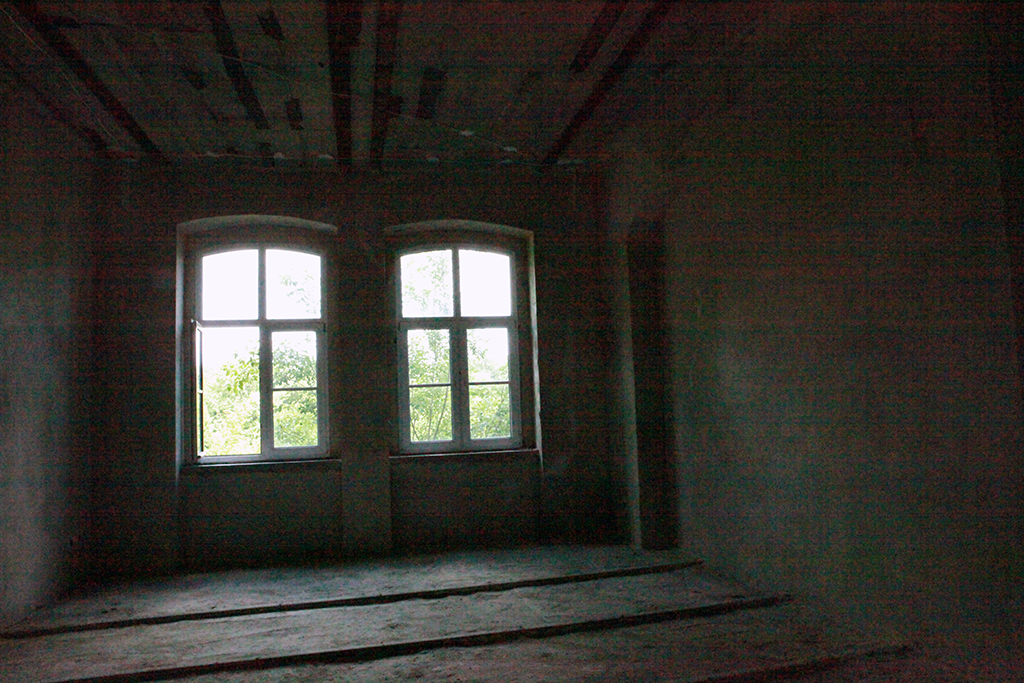
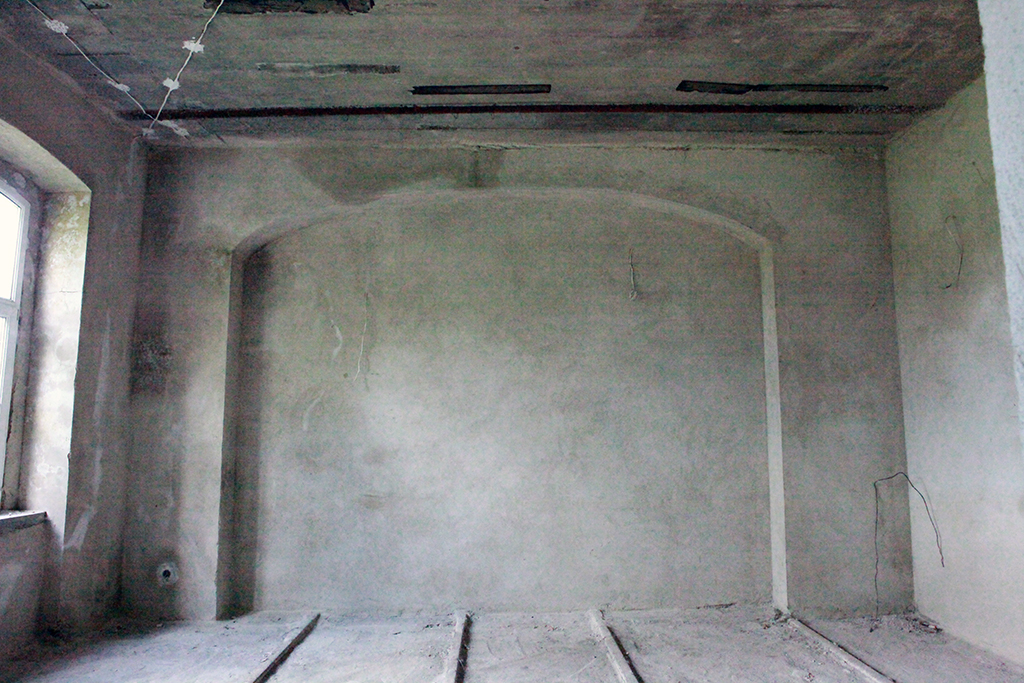
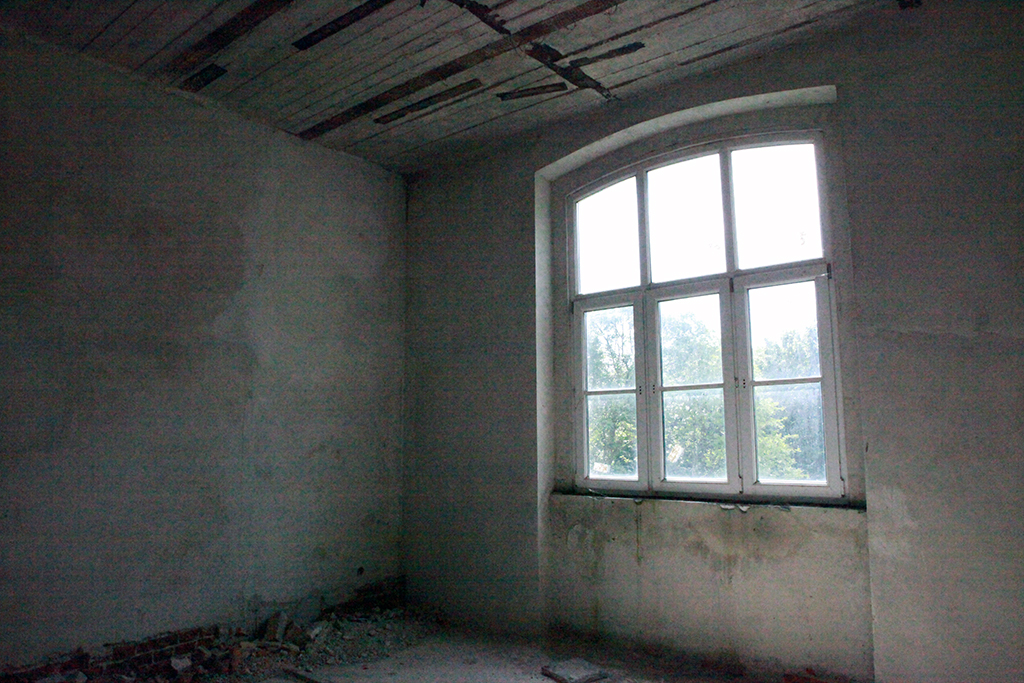
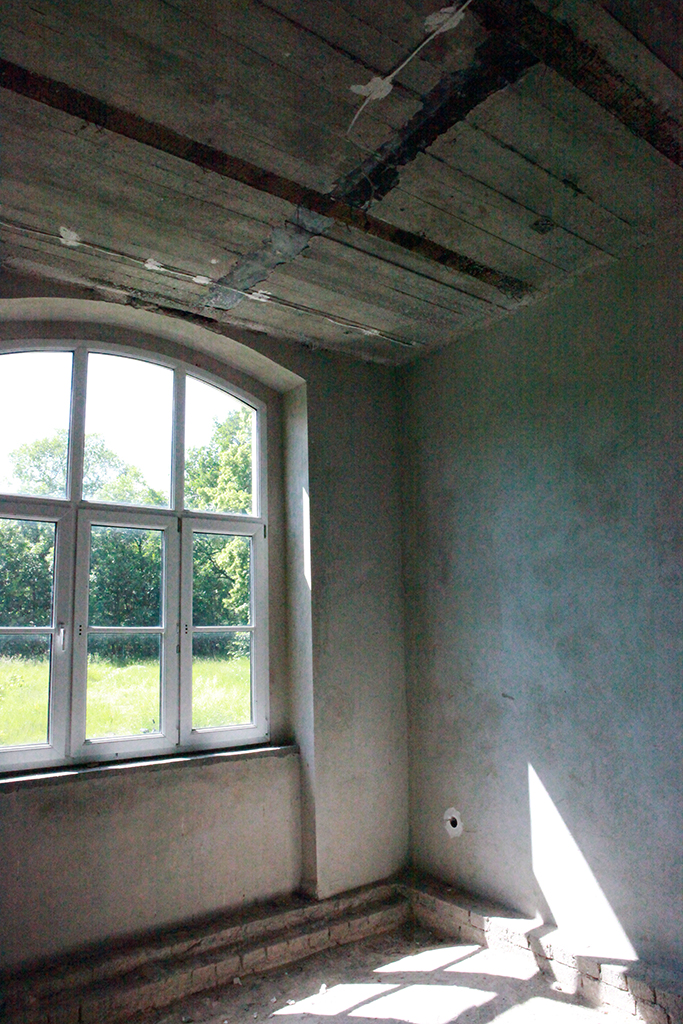
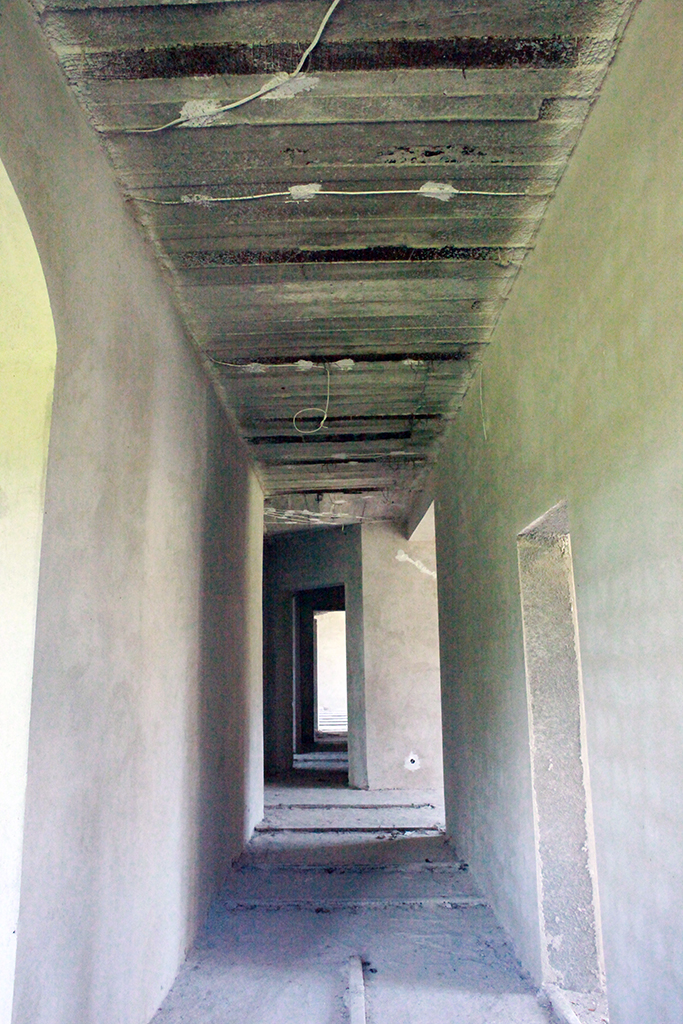
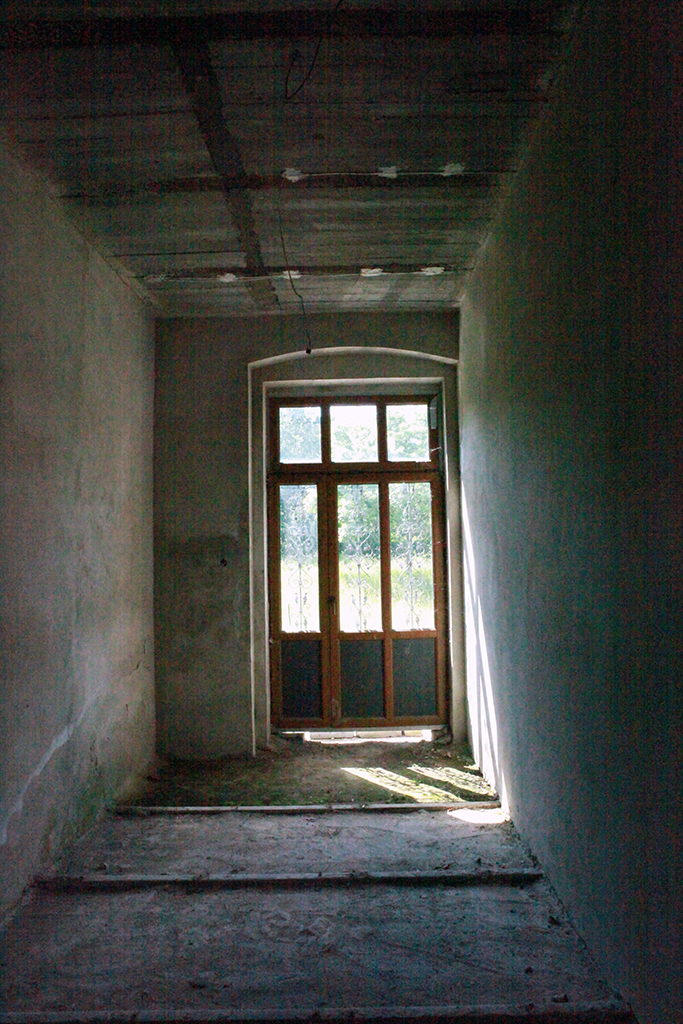
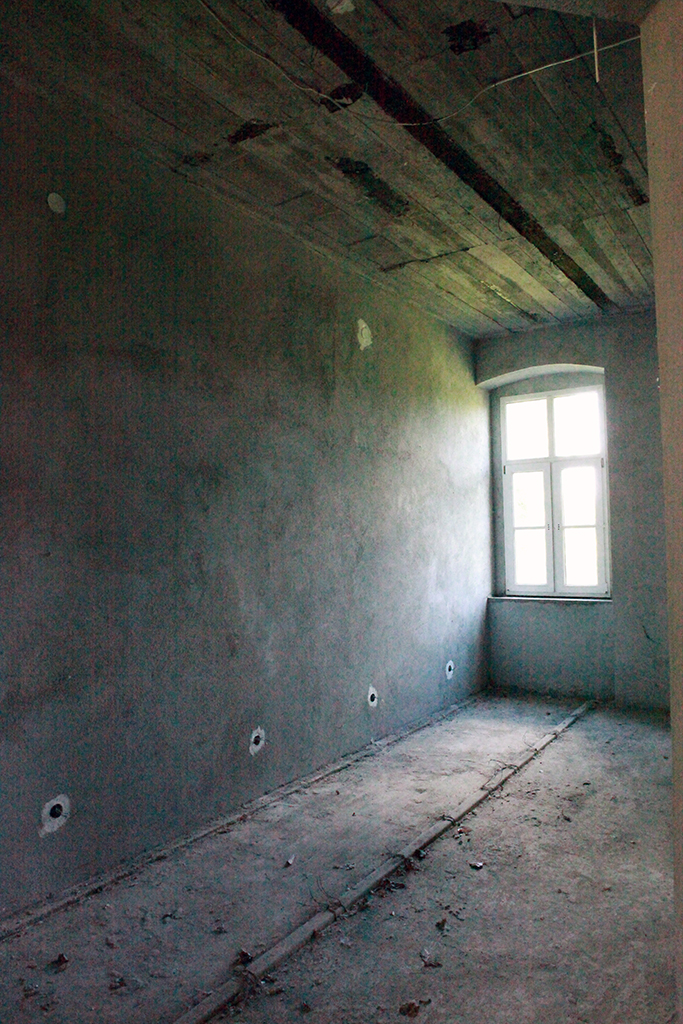
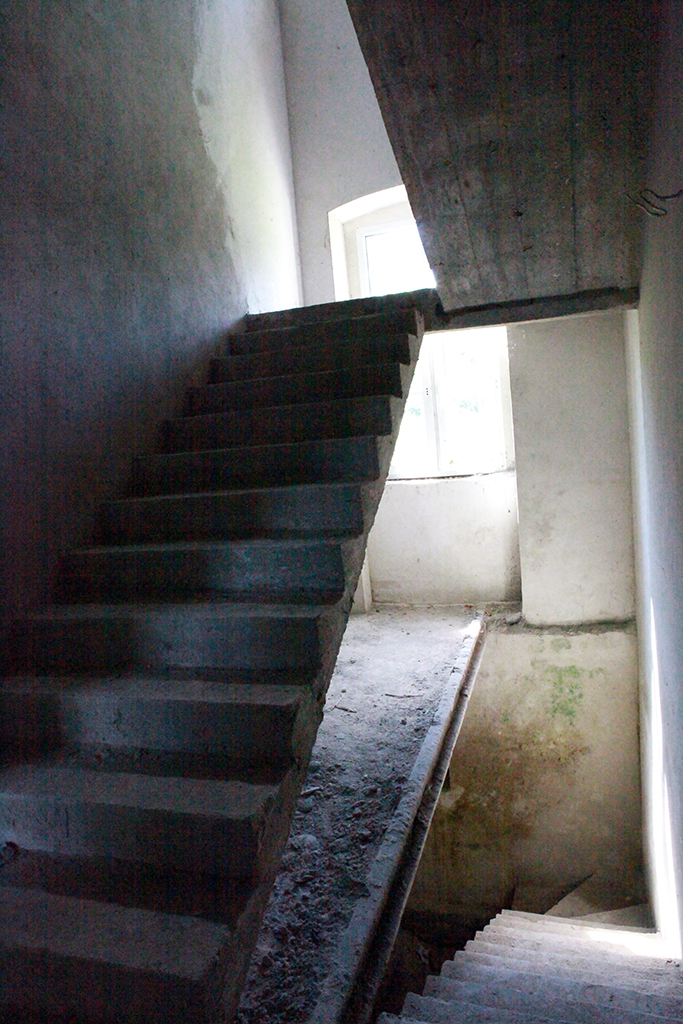
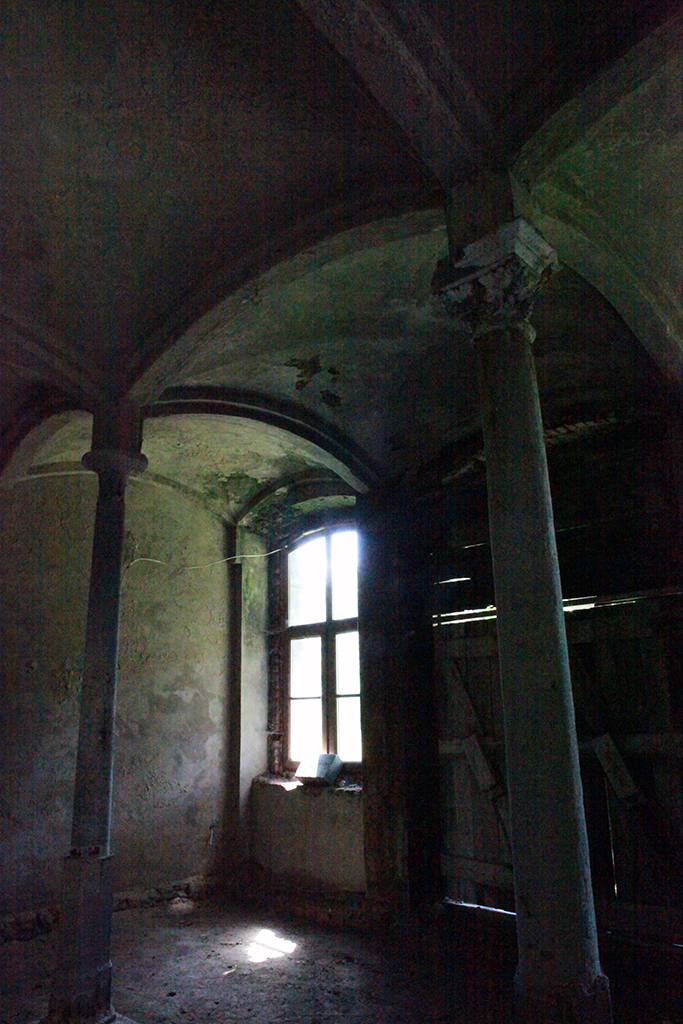
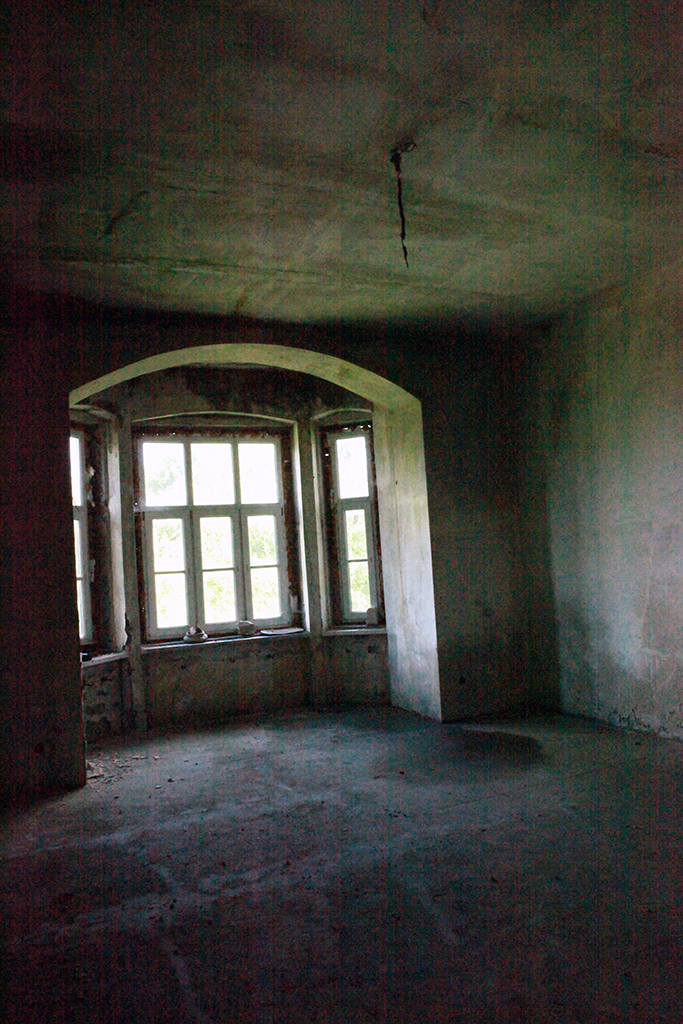
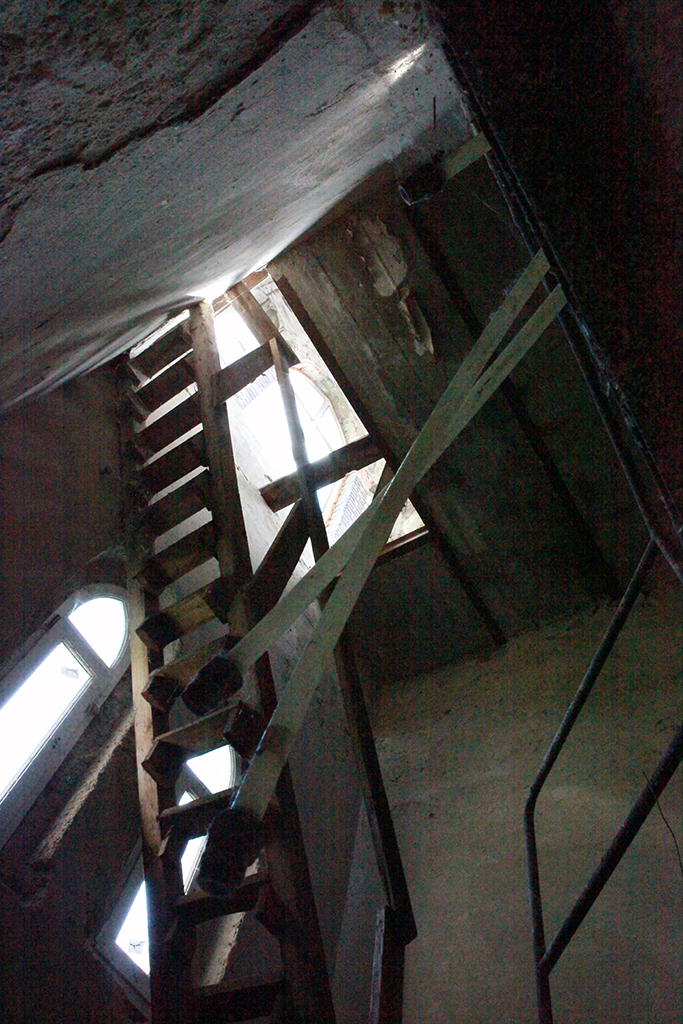
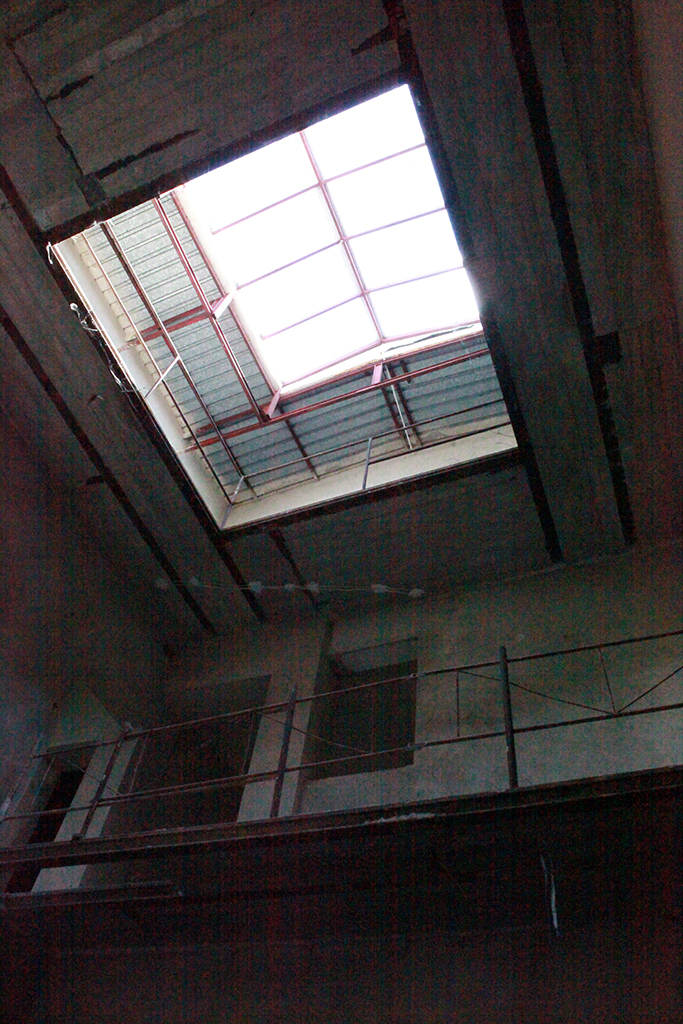
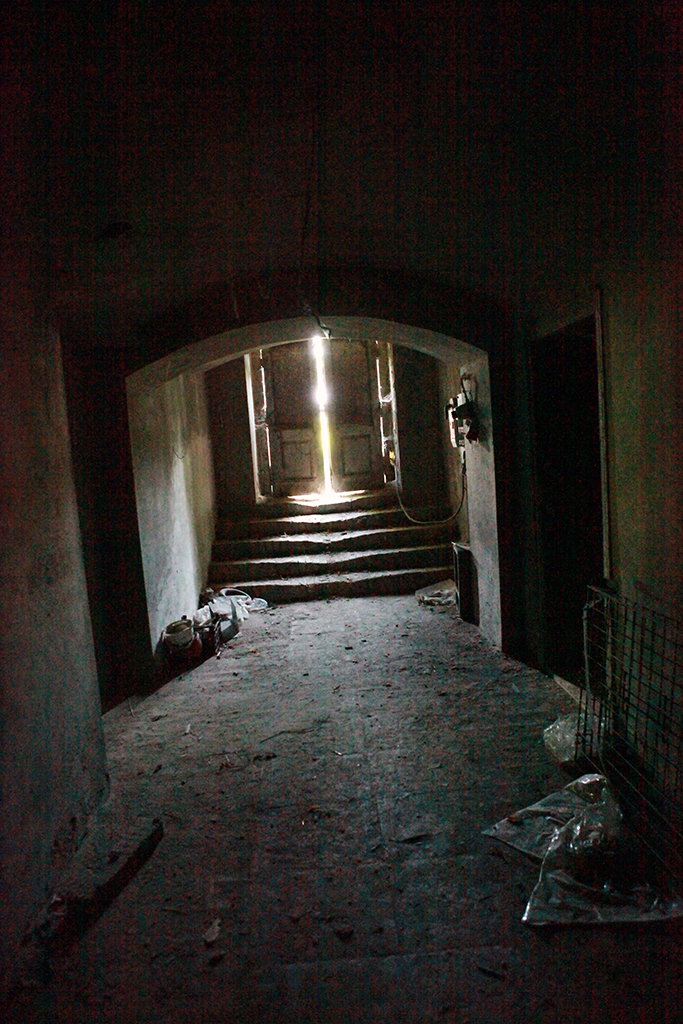
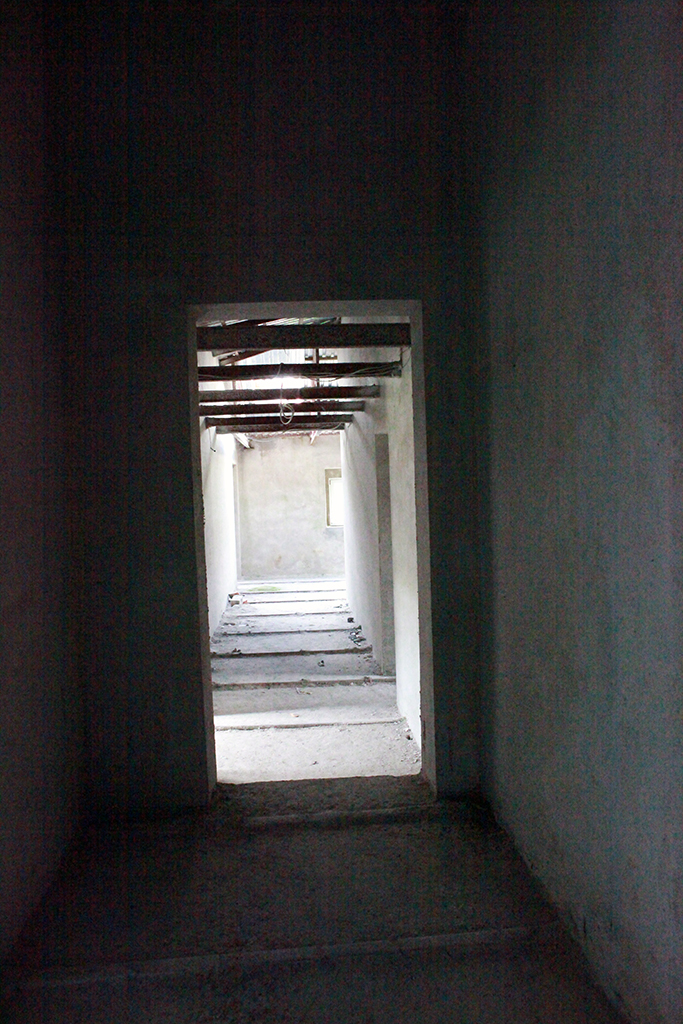
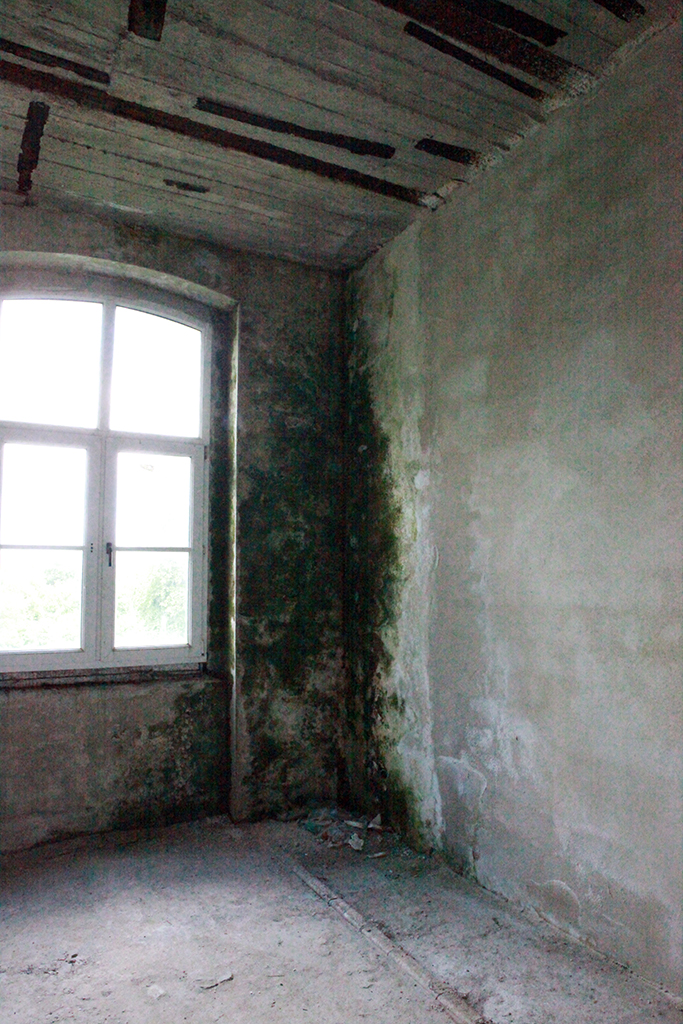
The photographs presented in this gallery show the current, stripped-back condition of the palace interiors. The images are provided for information purposes and serve primarily as reference material for a potential investor—they document the spatial layout and the scope of work that may be planned in the future. In line with conservation recommendations, the historic value and legal protection apply primarily to the building’s external form, while the interiors—after numerous modernisations during the People’s Republic of Poland period and later emergency works—have not retained clear, original features of significant historic value. As part of the emergency renovation, reinforced-concrete floors and aerated-concrete infill were introduced, which further altered the historic fabric of the interiors.
In practice, this means that the future buyer has considerable freedom in designing the interior layout and redevelopment, of course with due regard to formal requirements and safety standards. Historically, the floors were timber, and the interiors featured richer finishes, including numerous joinery elements and wooden details—however, only limited documentation of these solutions has survived to the present day.
Contact us:
- street Poniatowskiego 18A, 05-500Piaseczno, Polska
- +48 604 108 890
- info@jankowopark.pl
- Number KRS: 0000550491, REGON: 36114025300000, NIP: 9512390428
Prefer email contact? No problem! Use the contact form on the right—or send a message directly to our email address.
We’ll reply as soon as possible! Please send your message to: info@jankowopark.pl